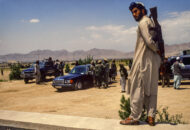
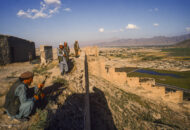
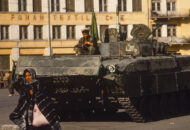
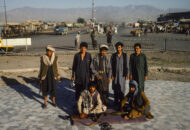
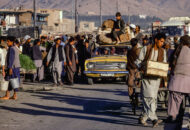
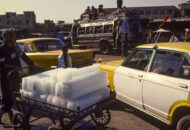
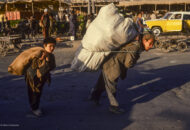
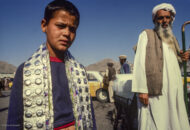
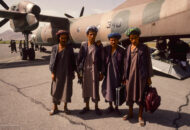
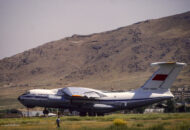
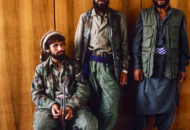
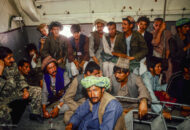
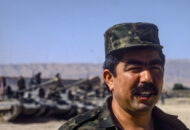
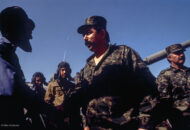
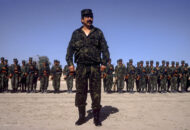
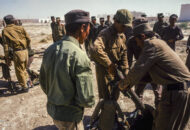
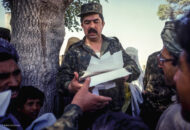
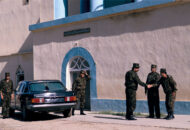
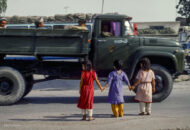
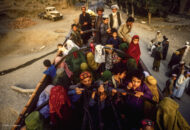
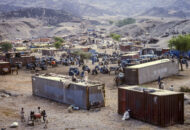
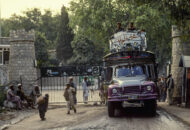
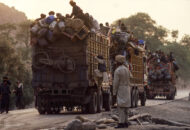
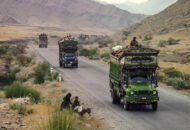
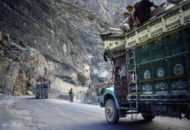
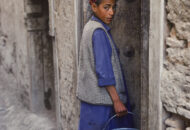
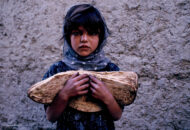
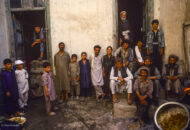
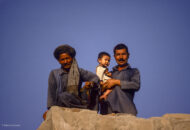
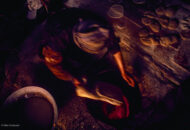
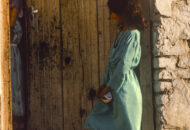
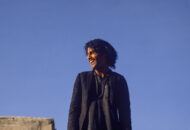
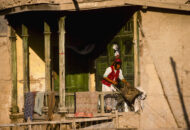
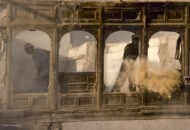
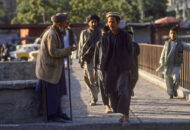
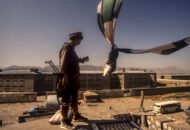
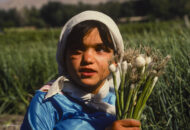
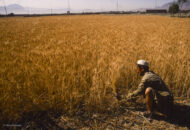
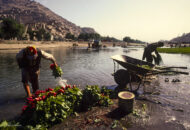
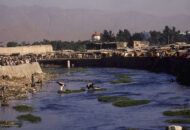
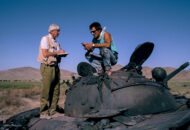
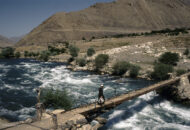
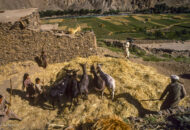
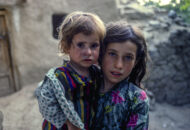
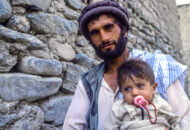
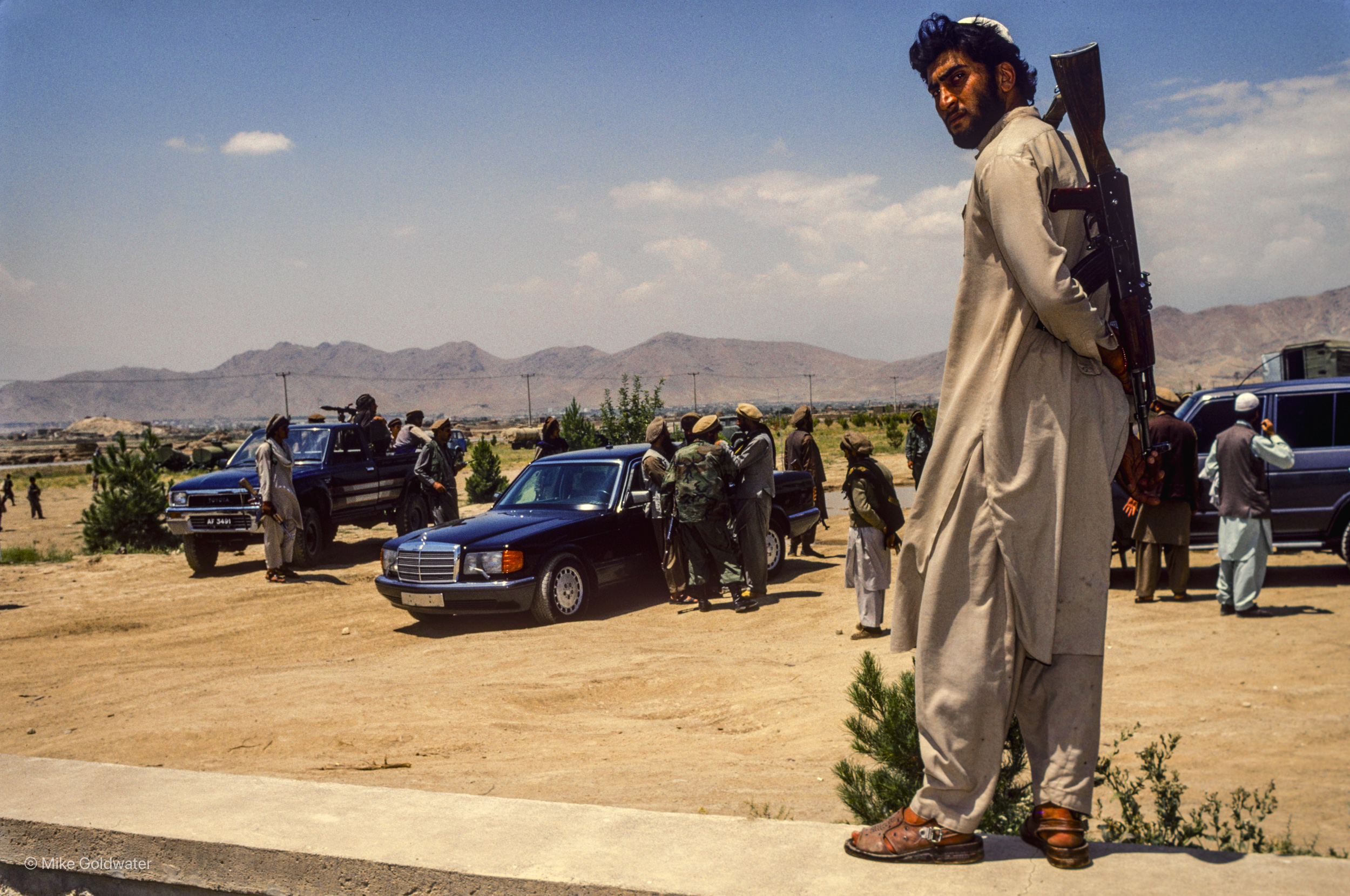
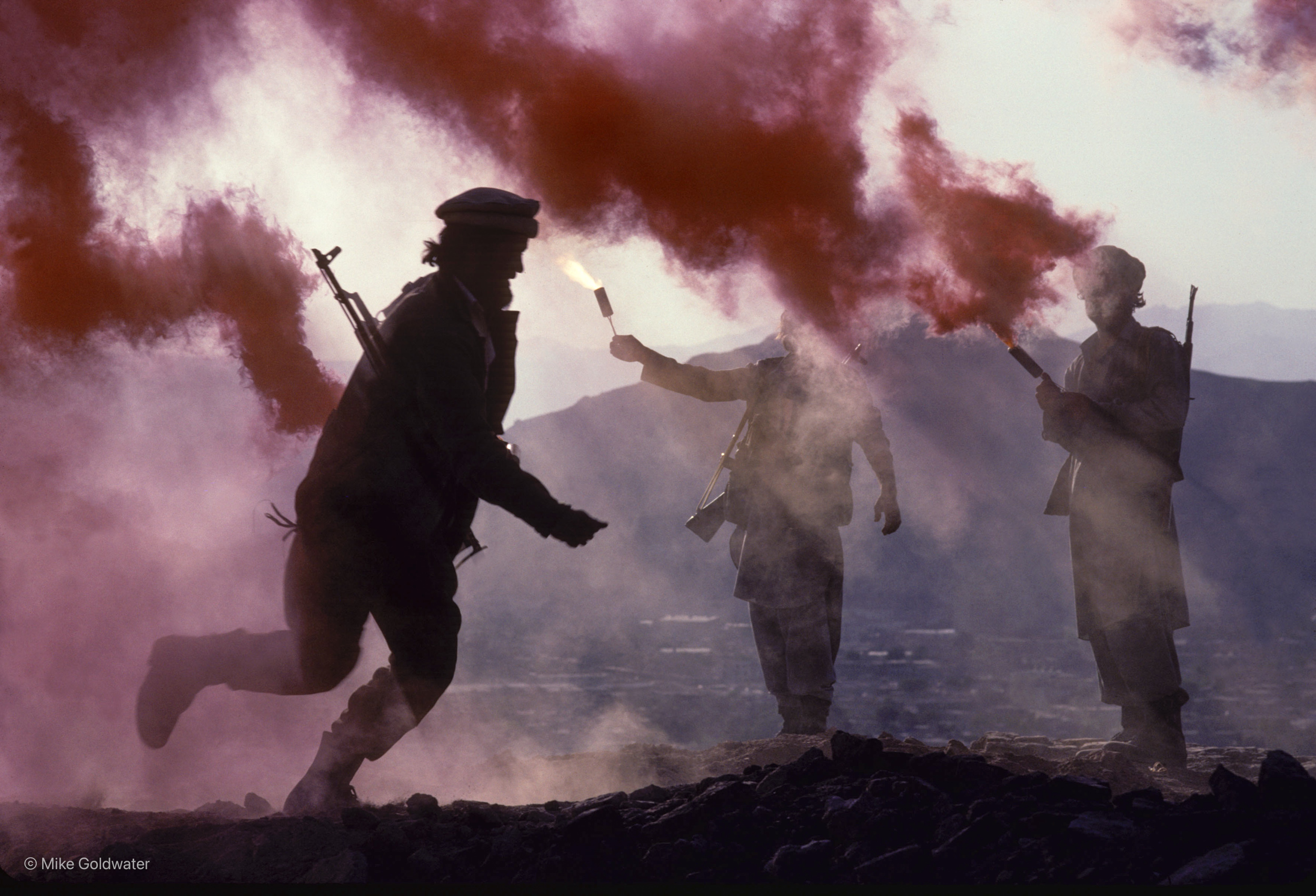
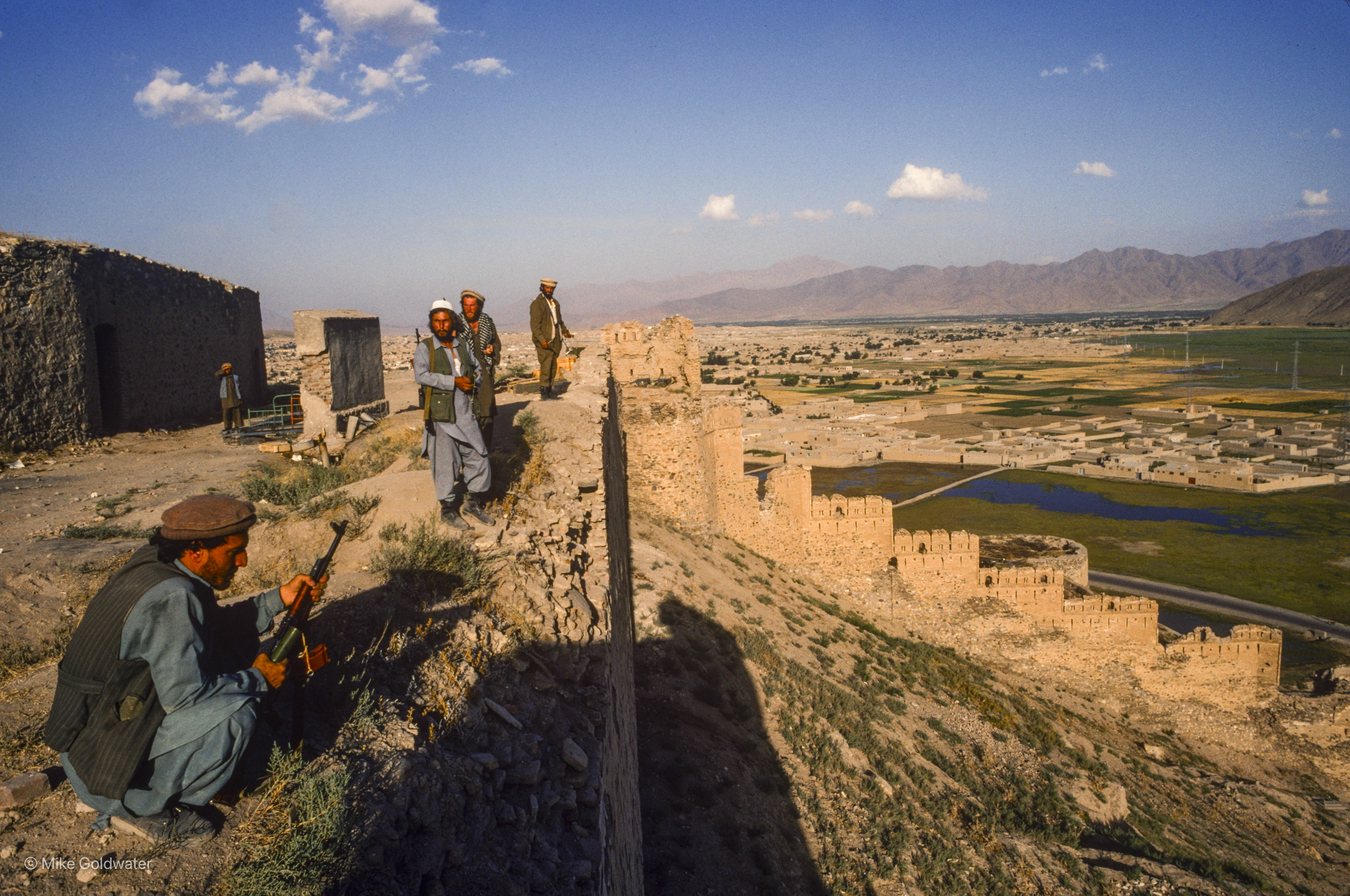
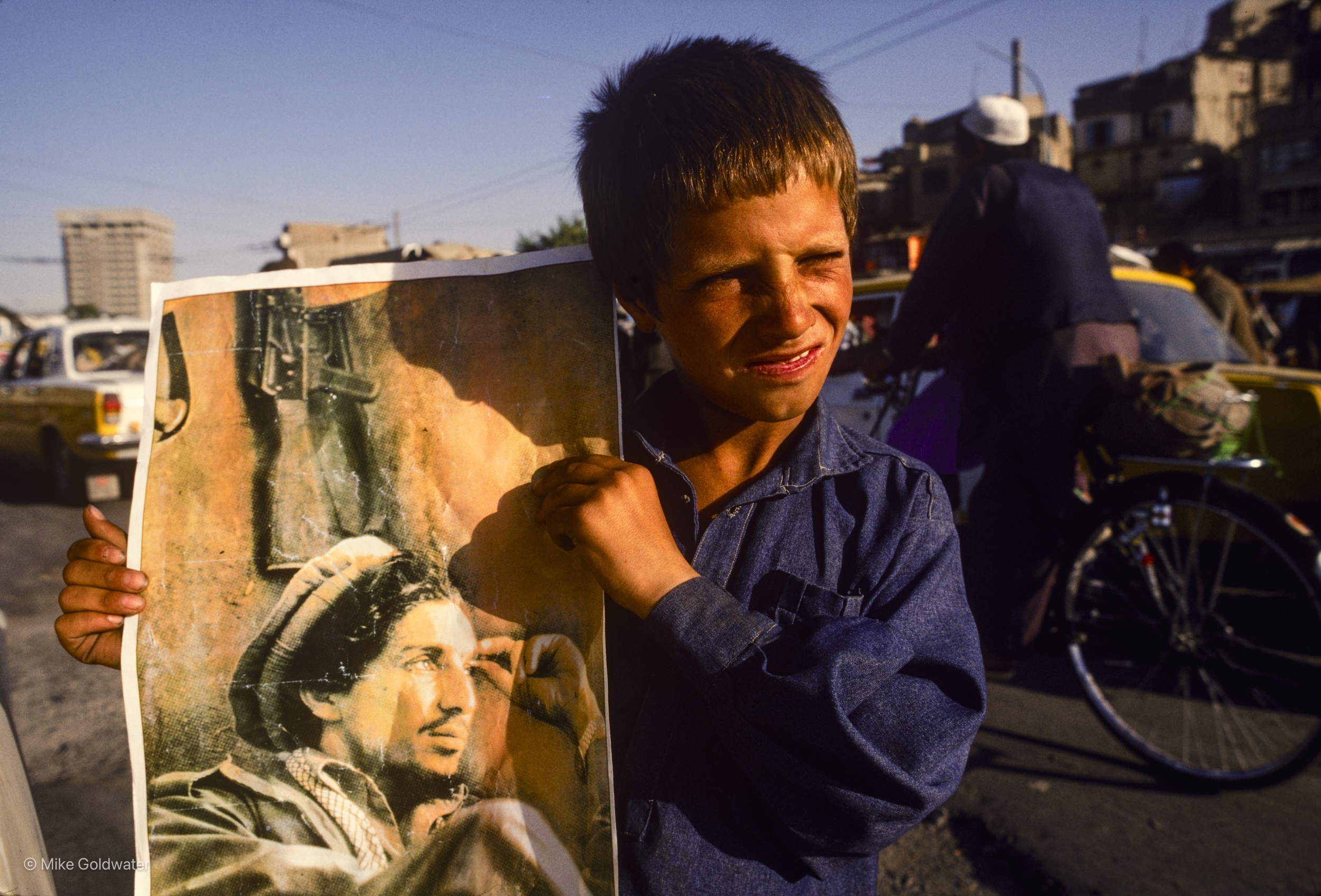
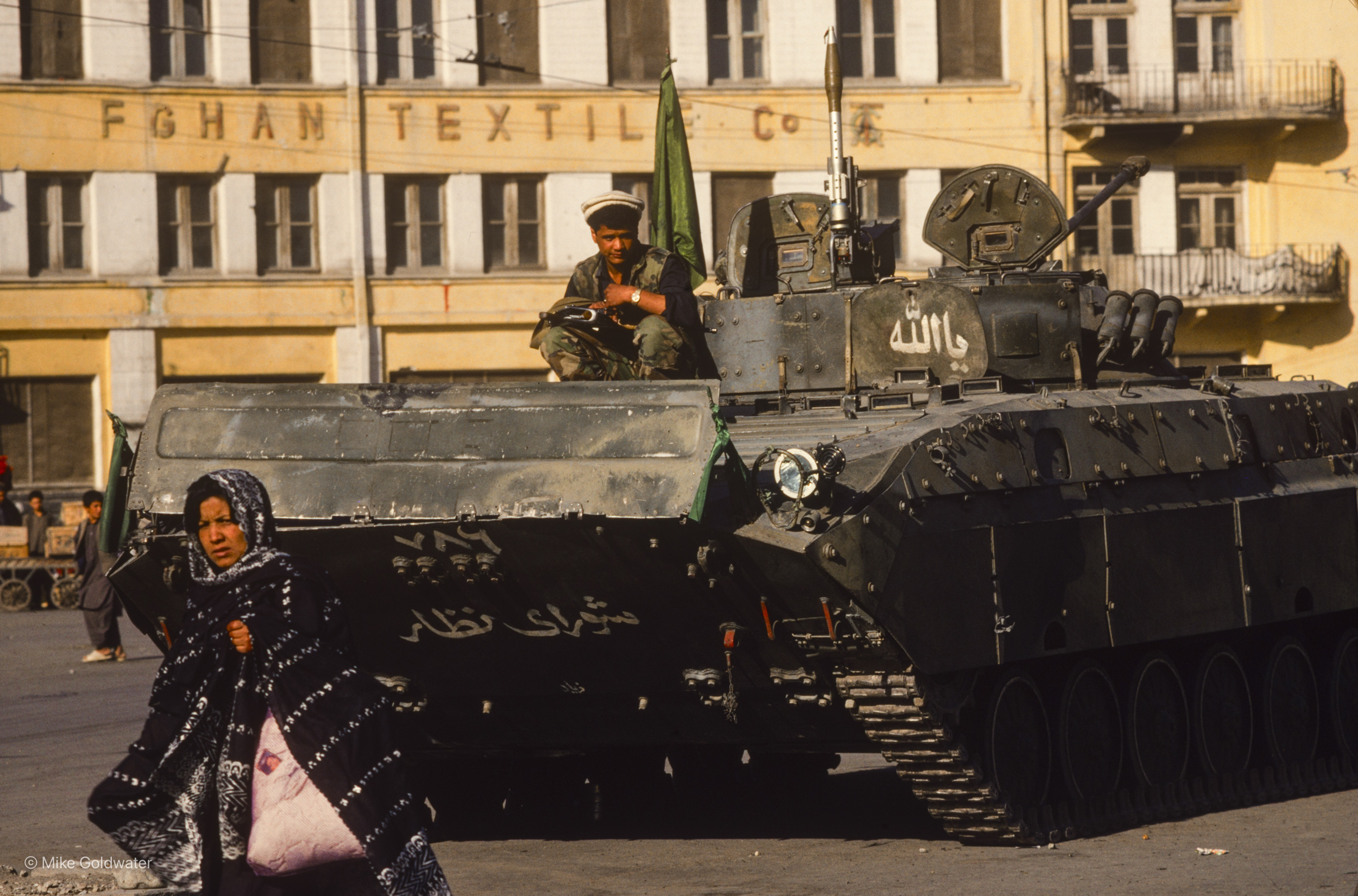
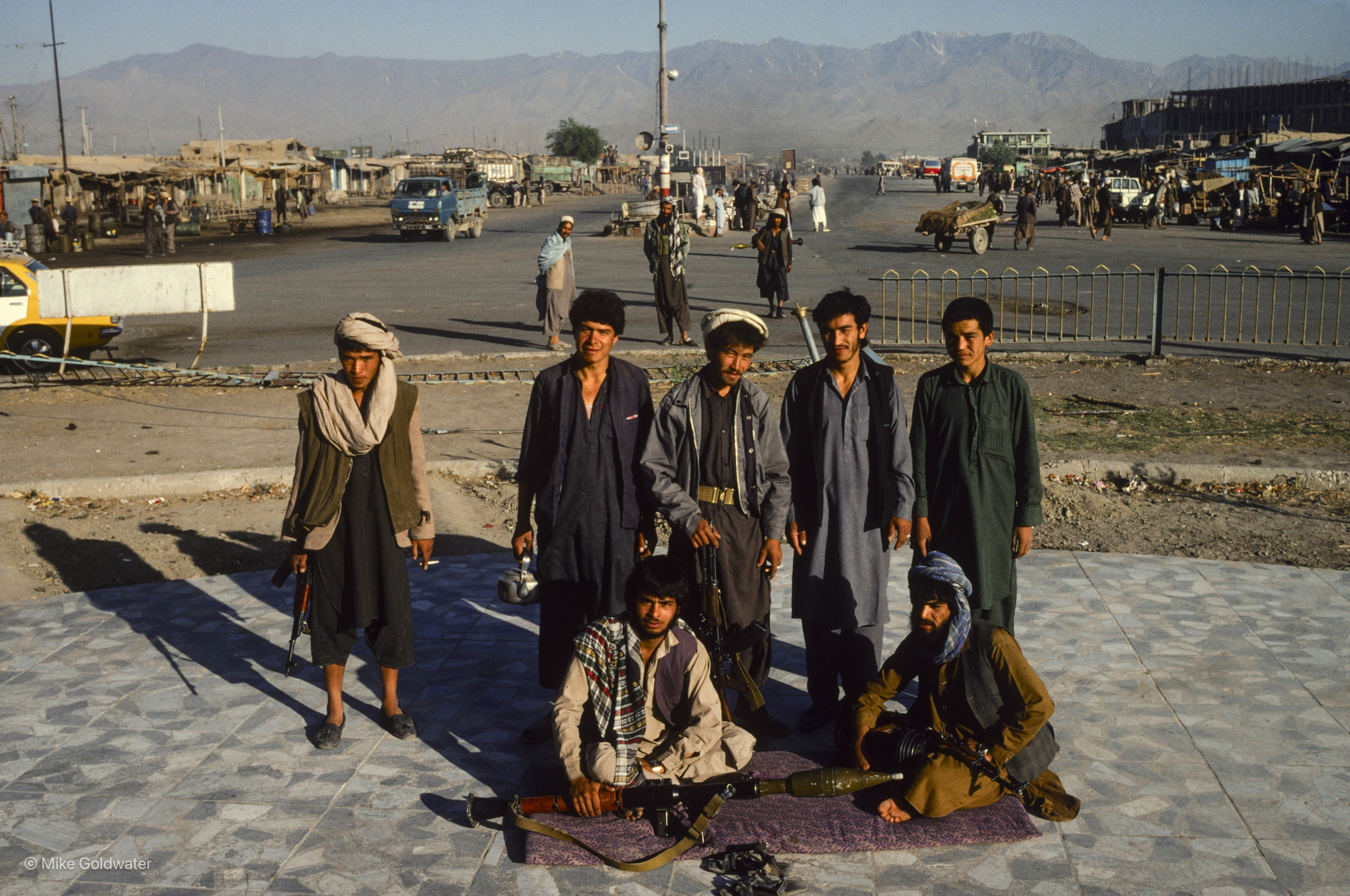
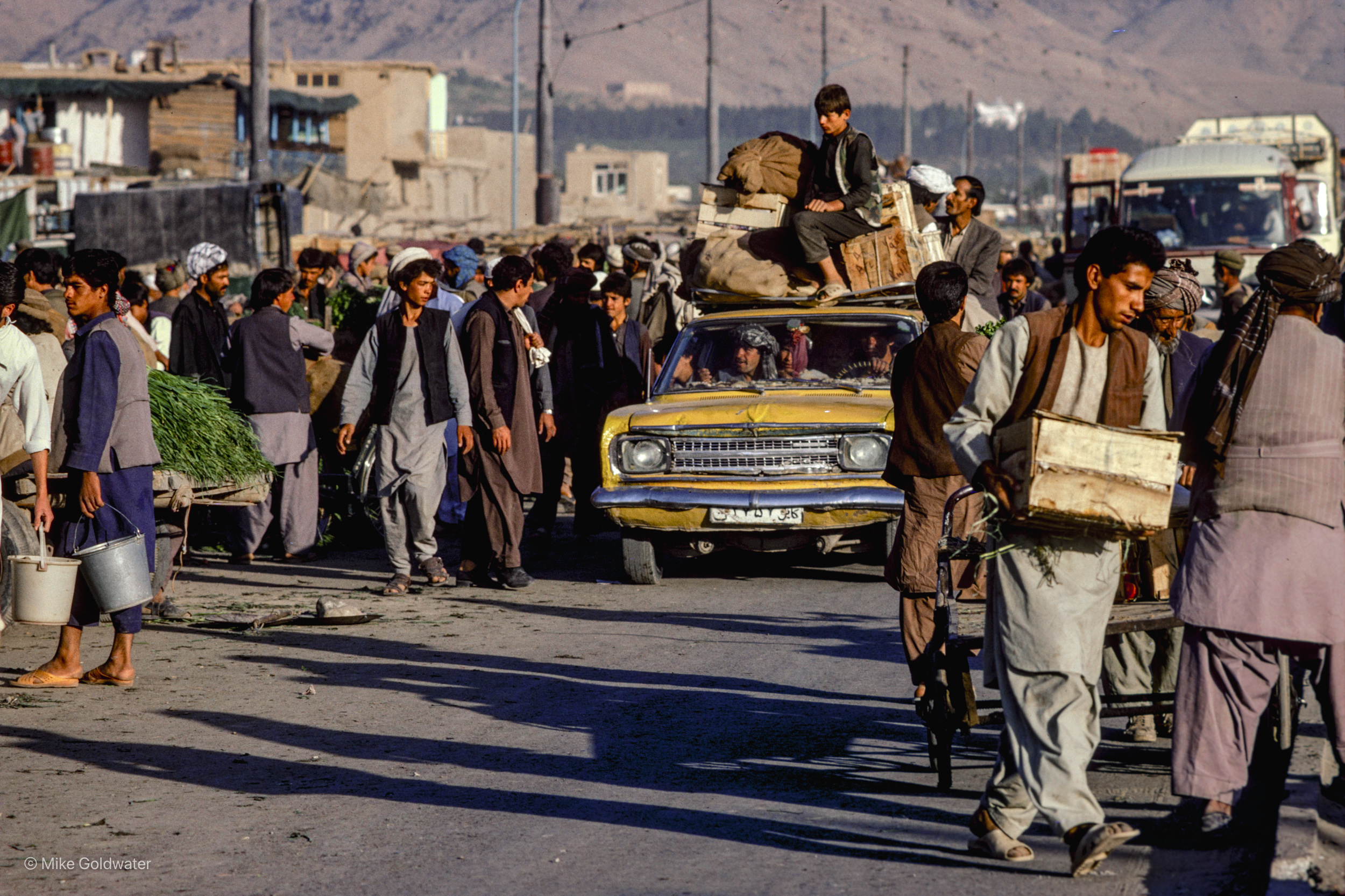
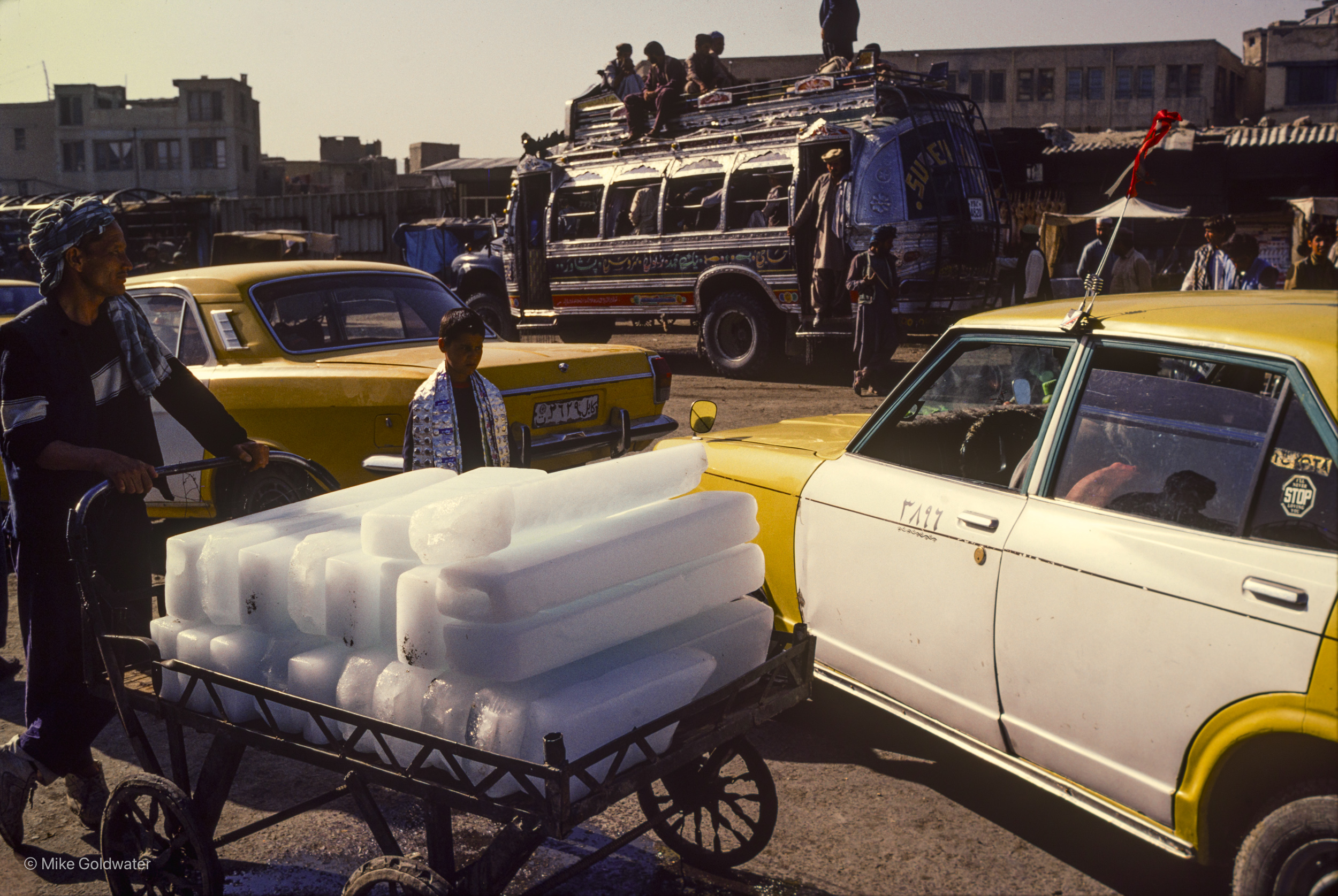
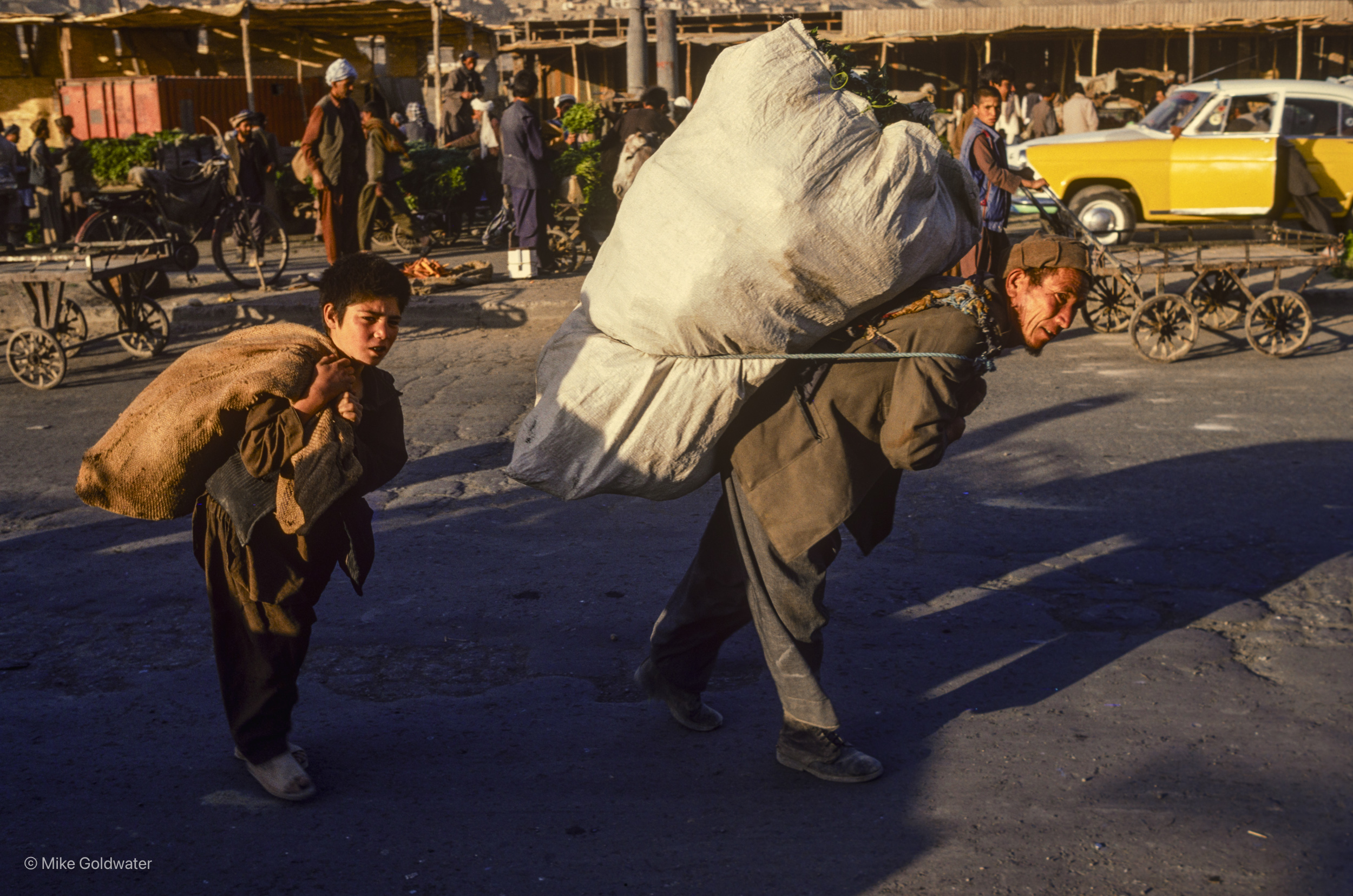
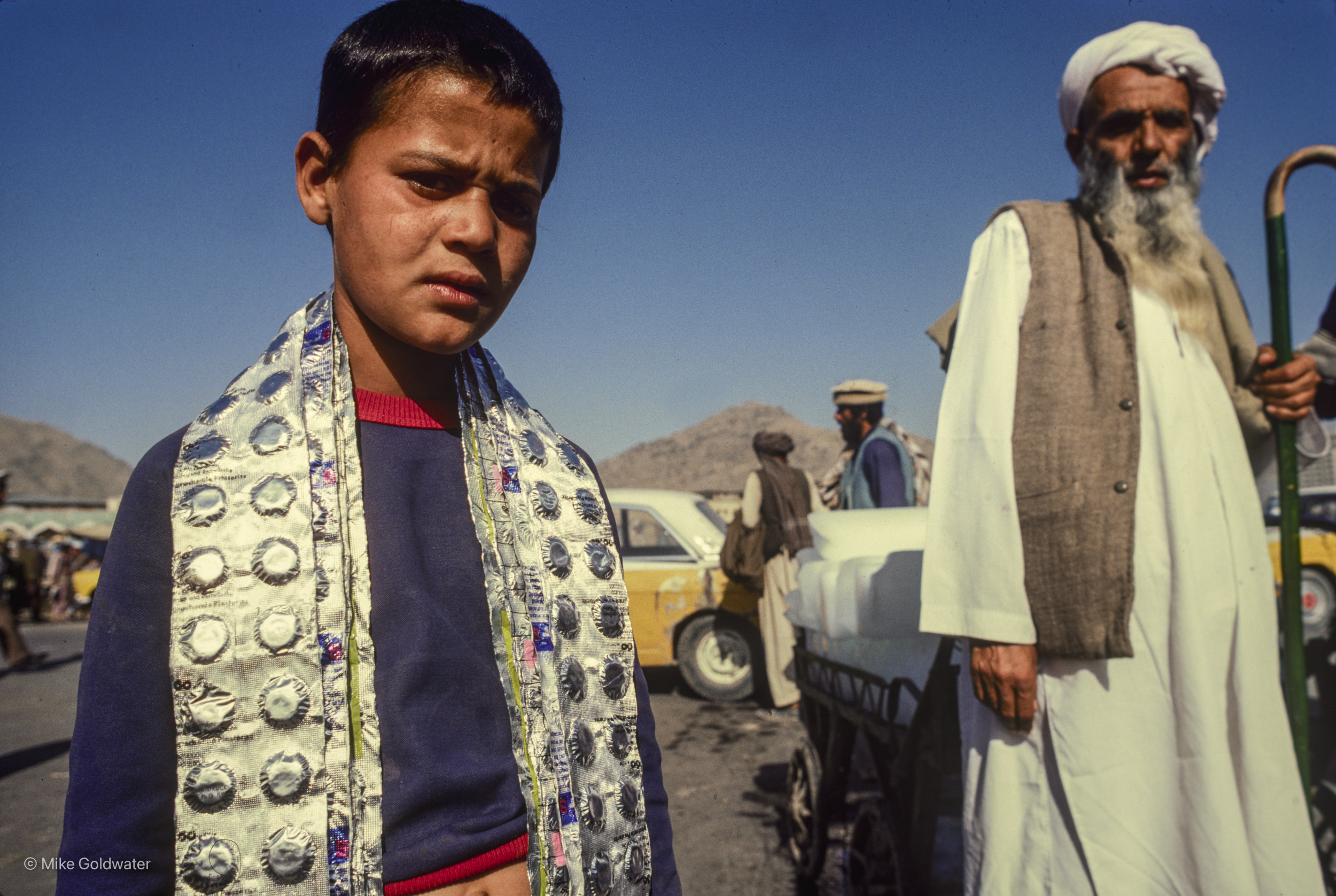
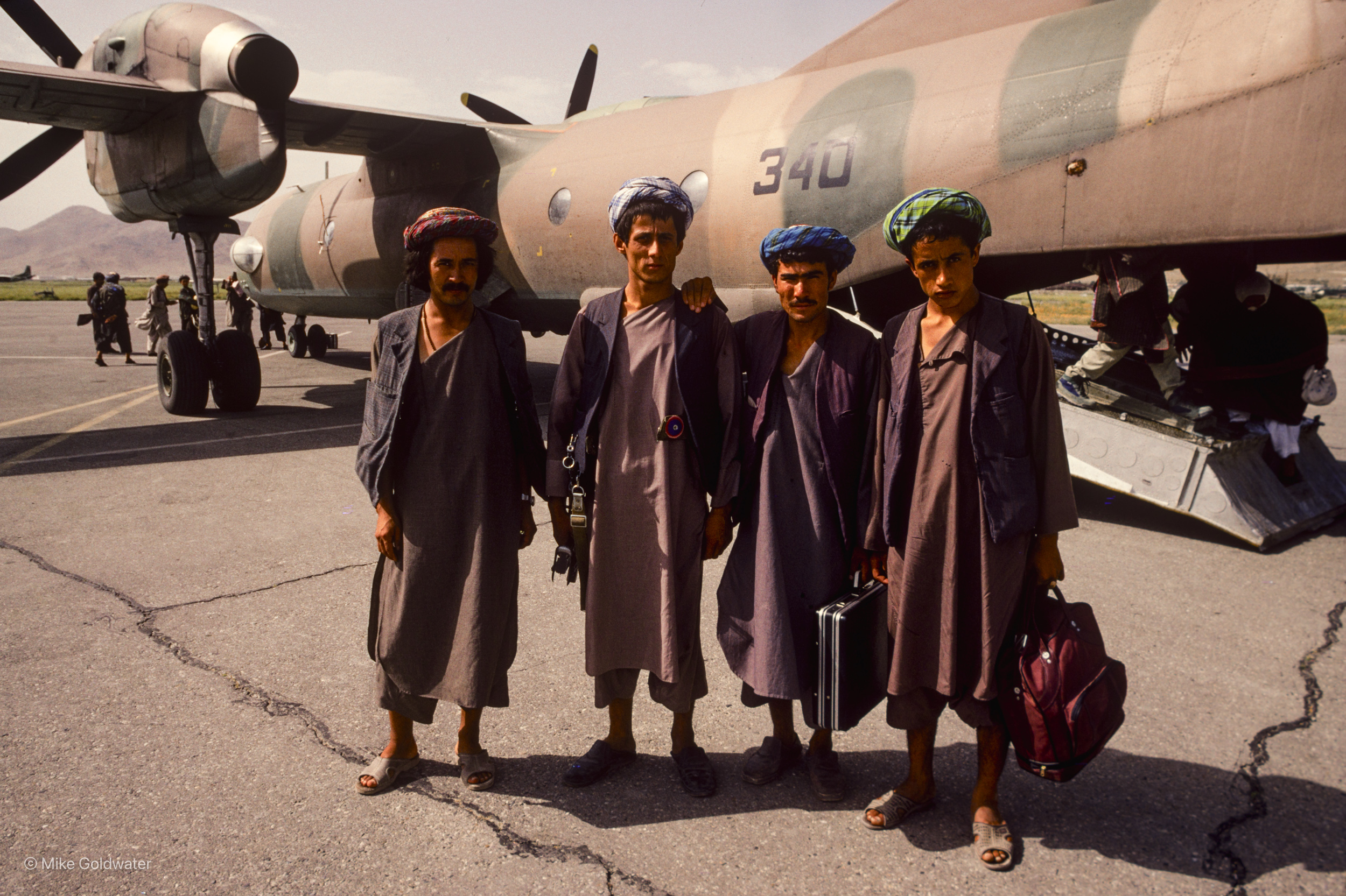
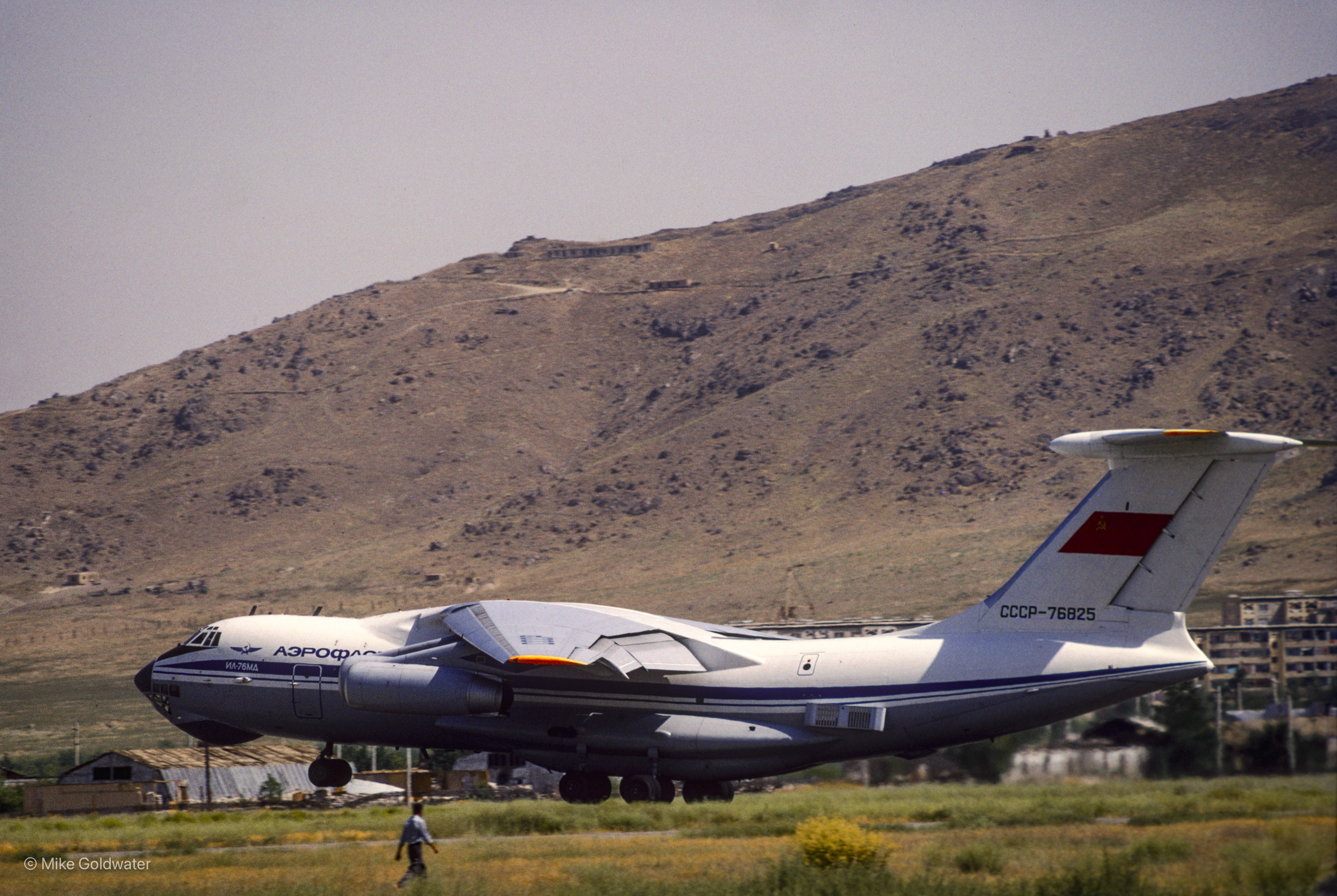
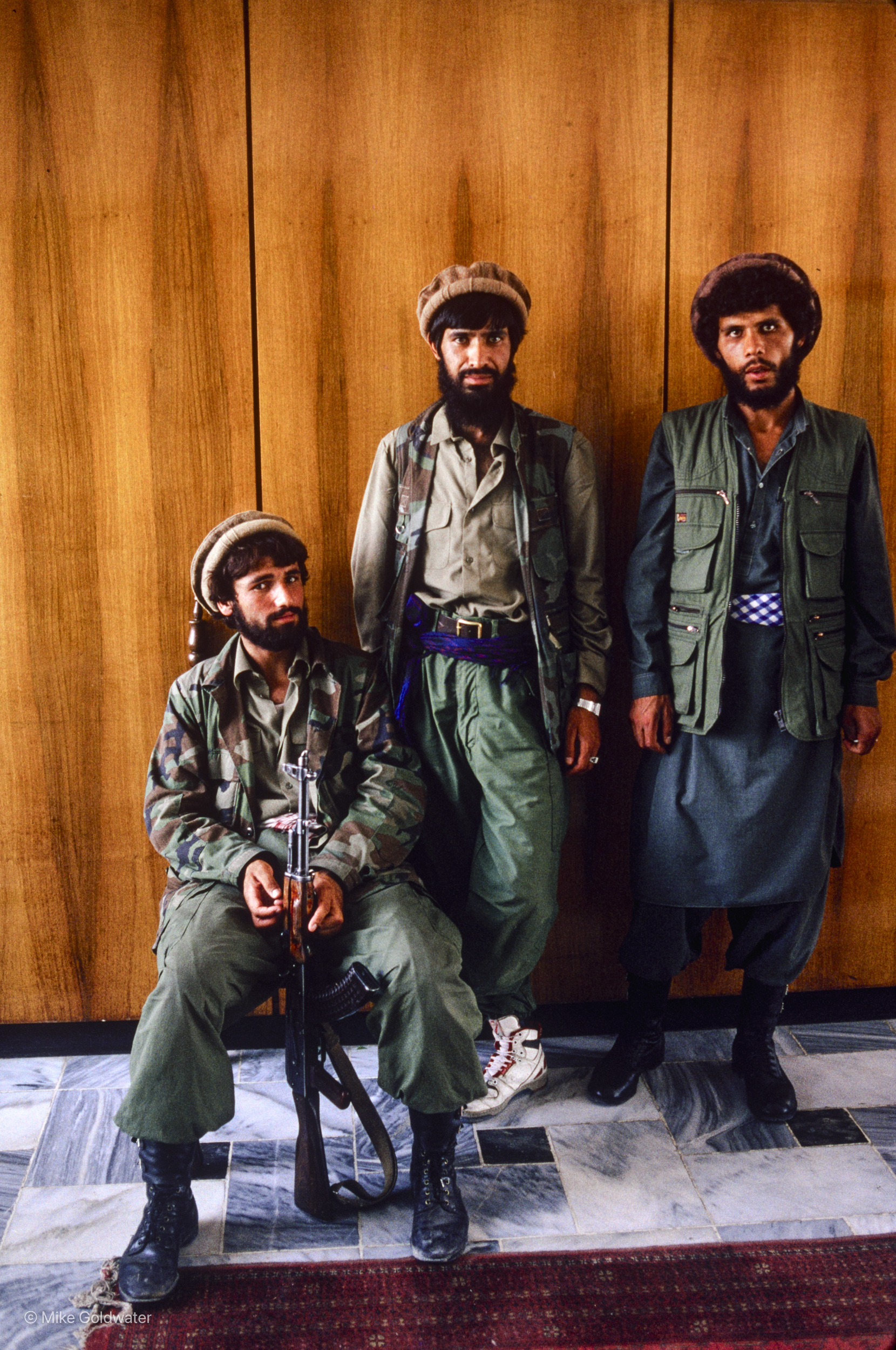
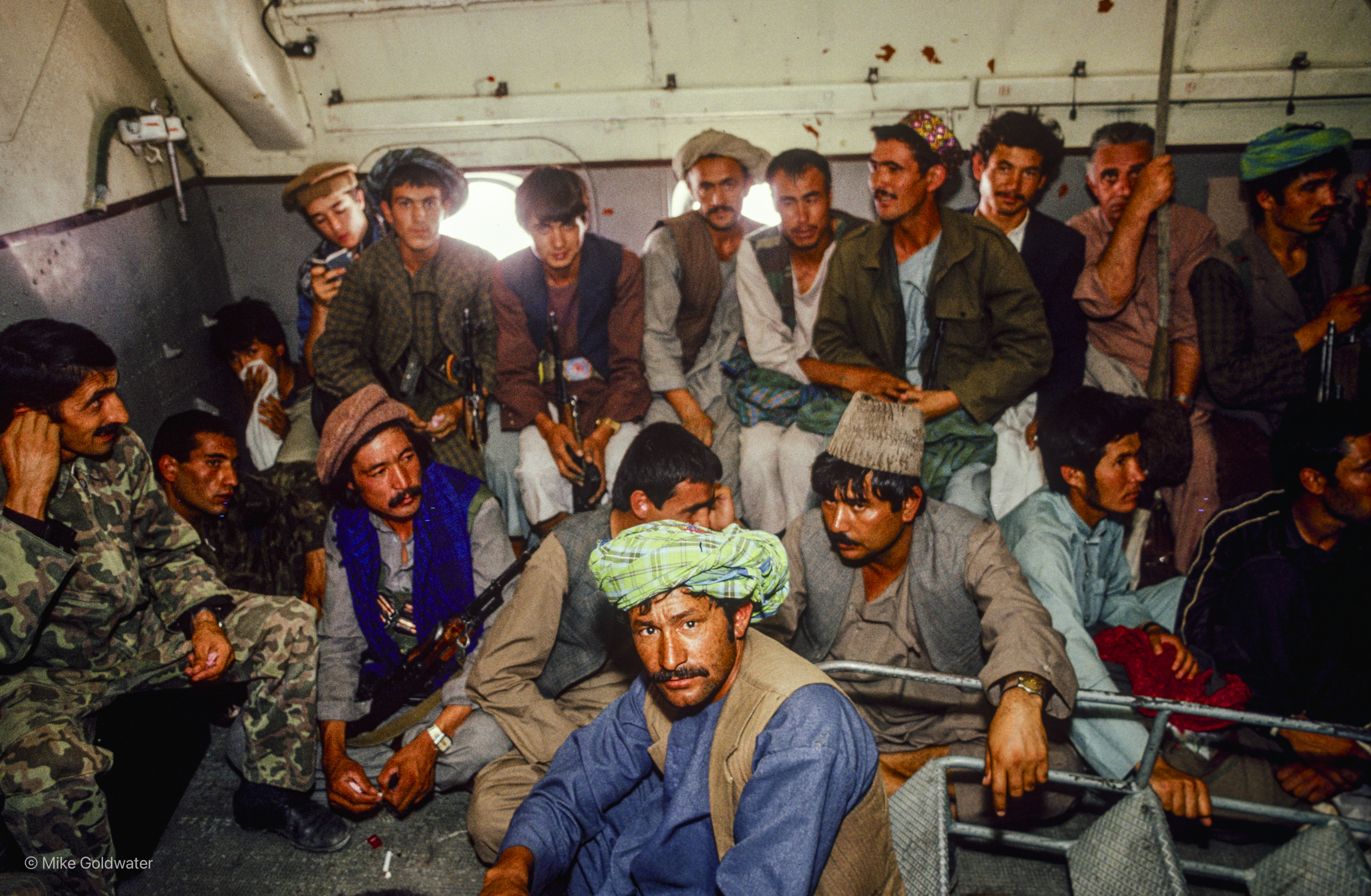
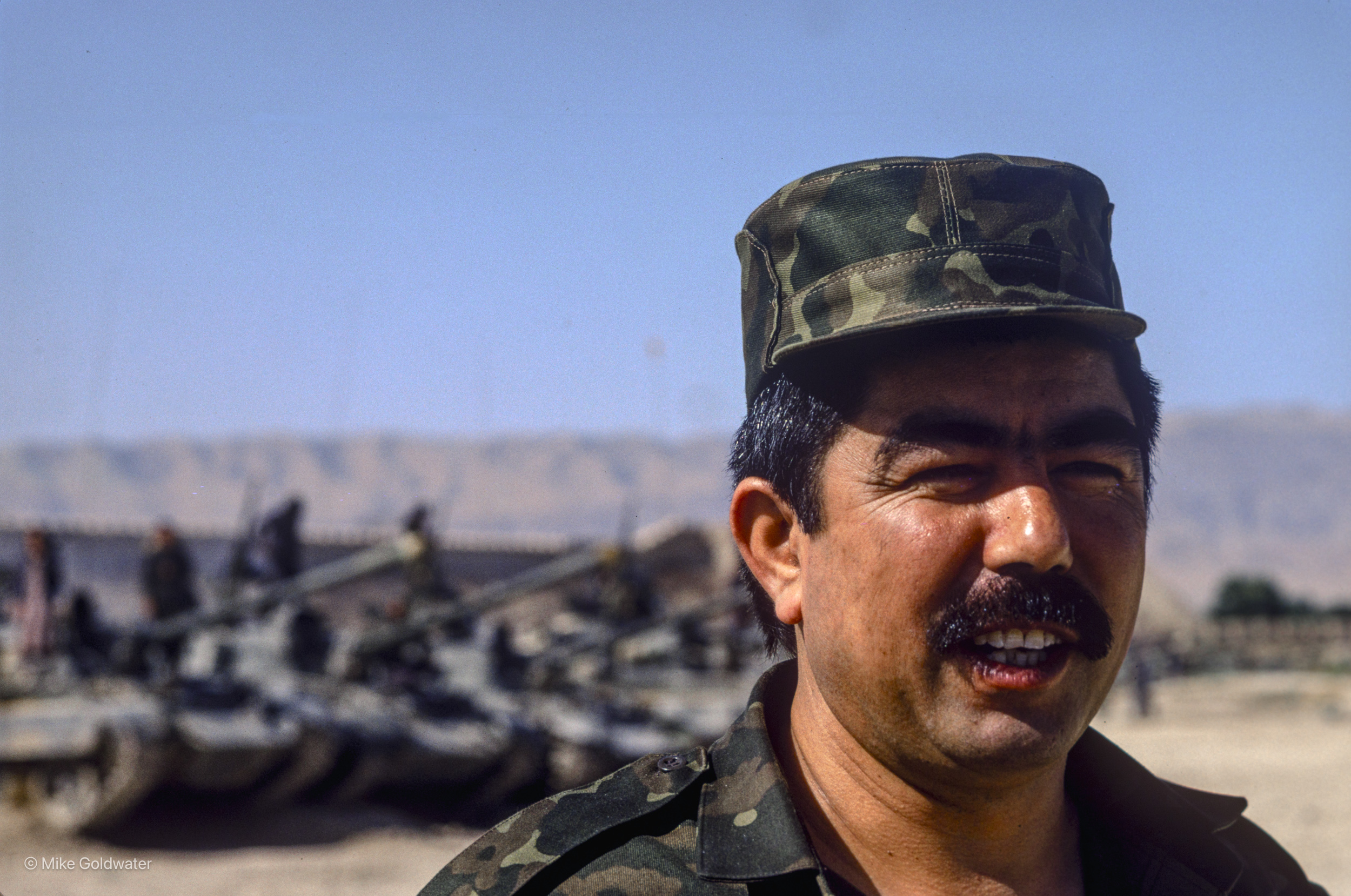
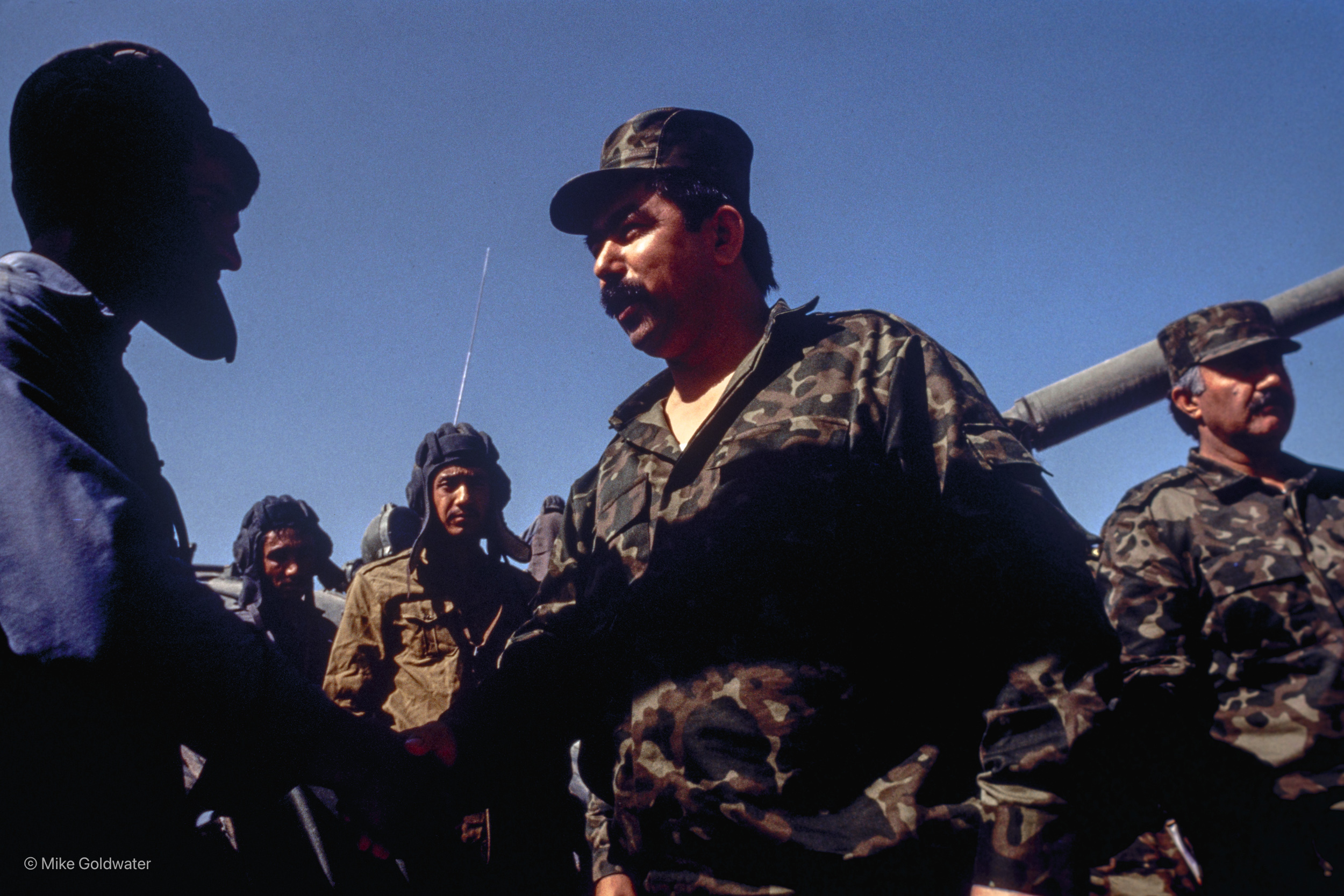
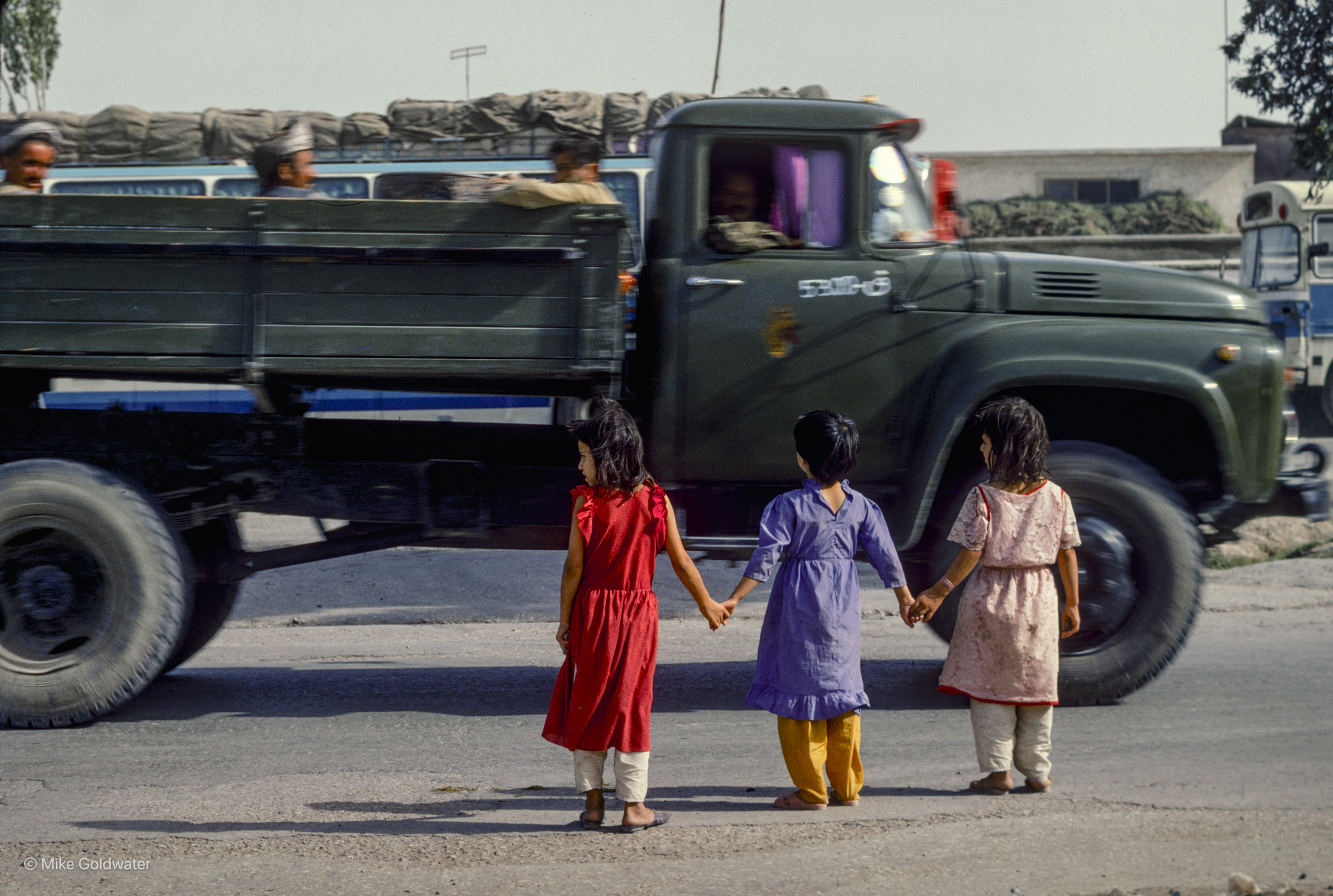
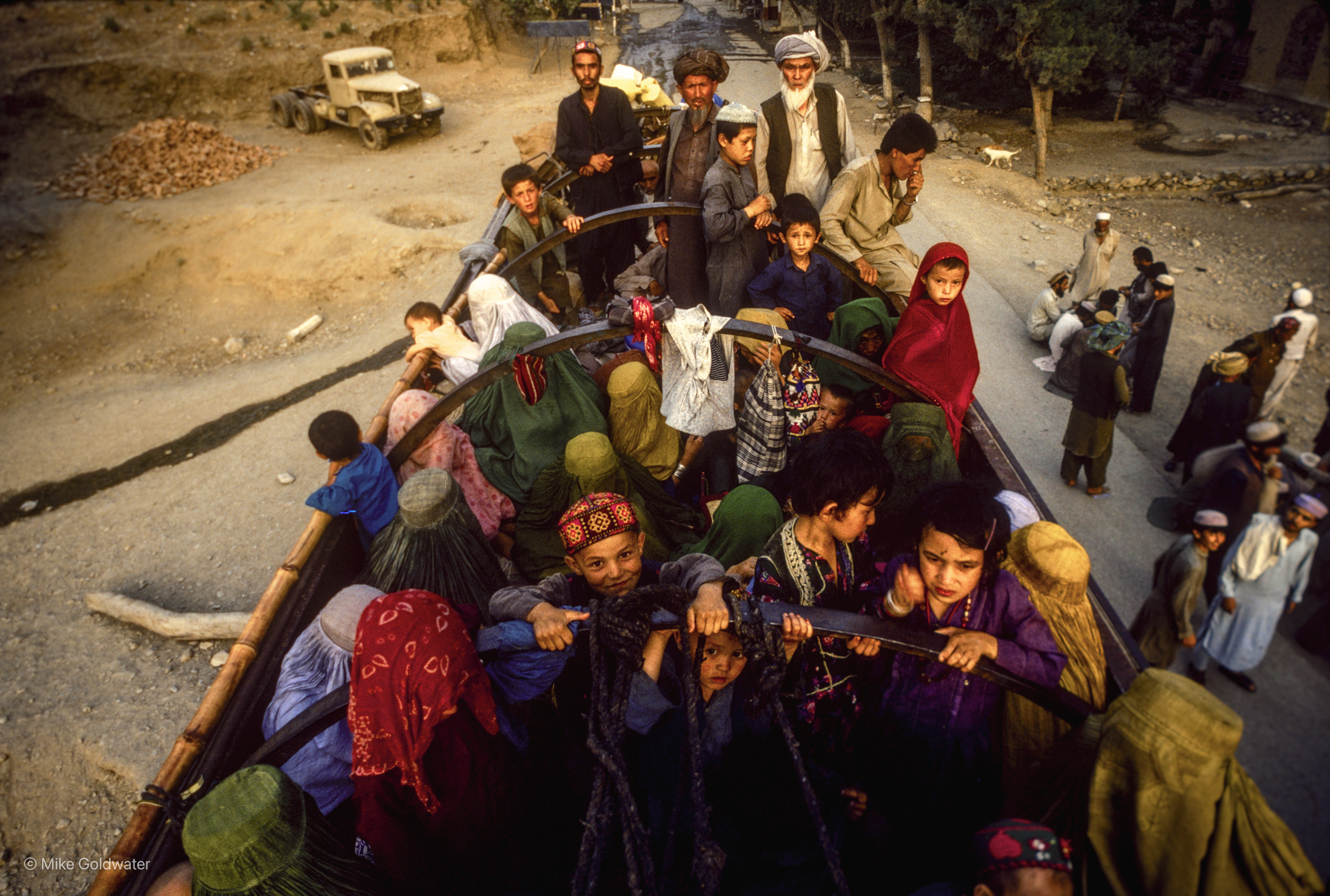
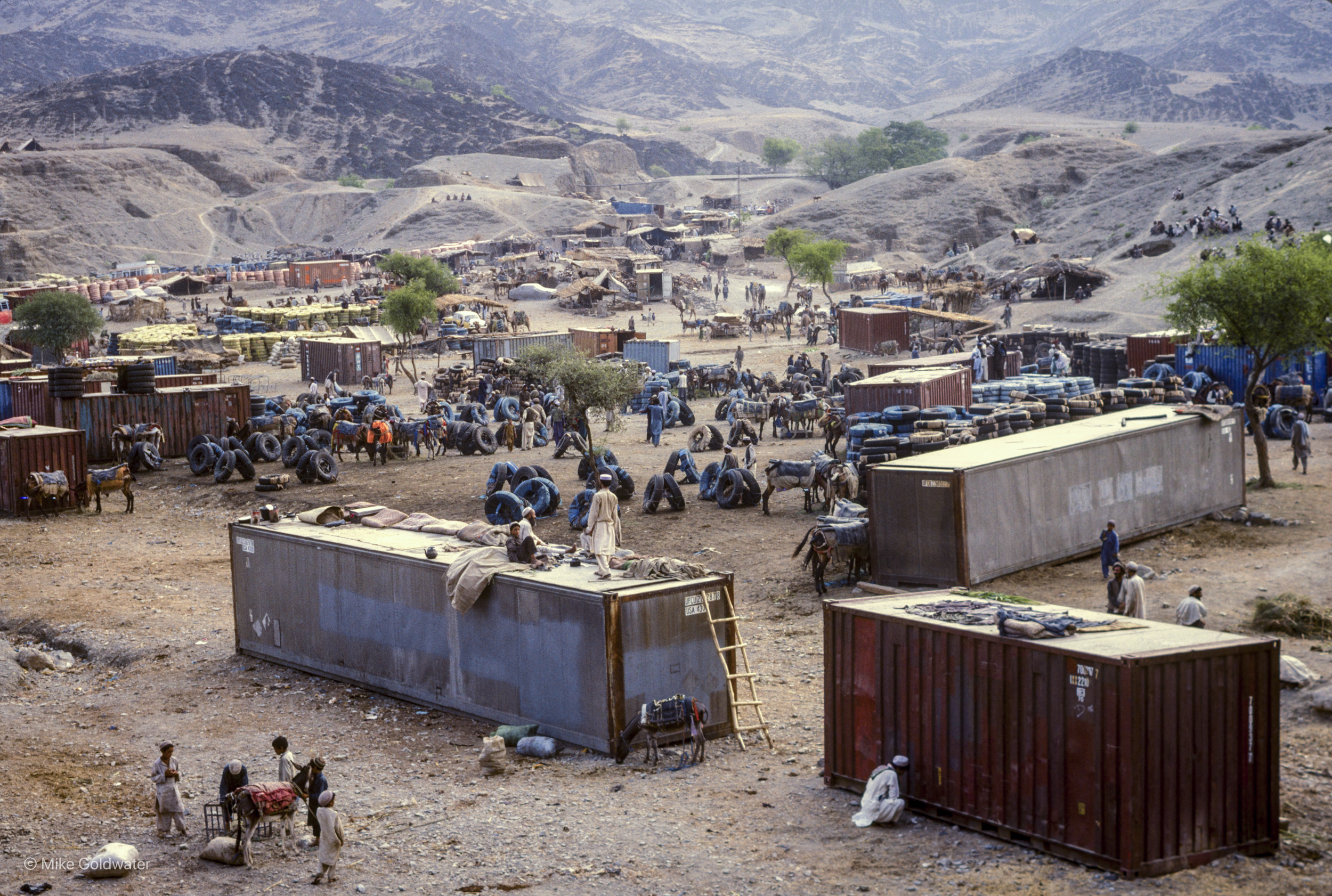
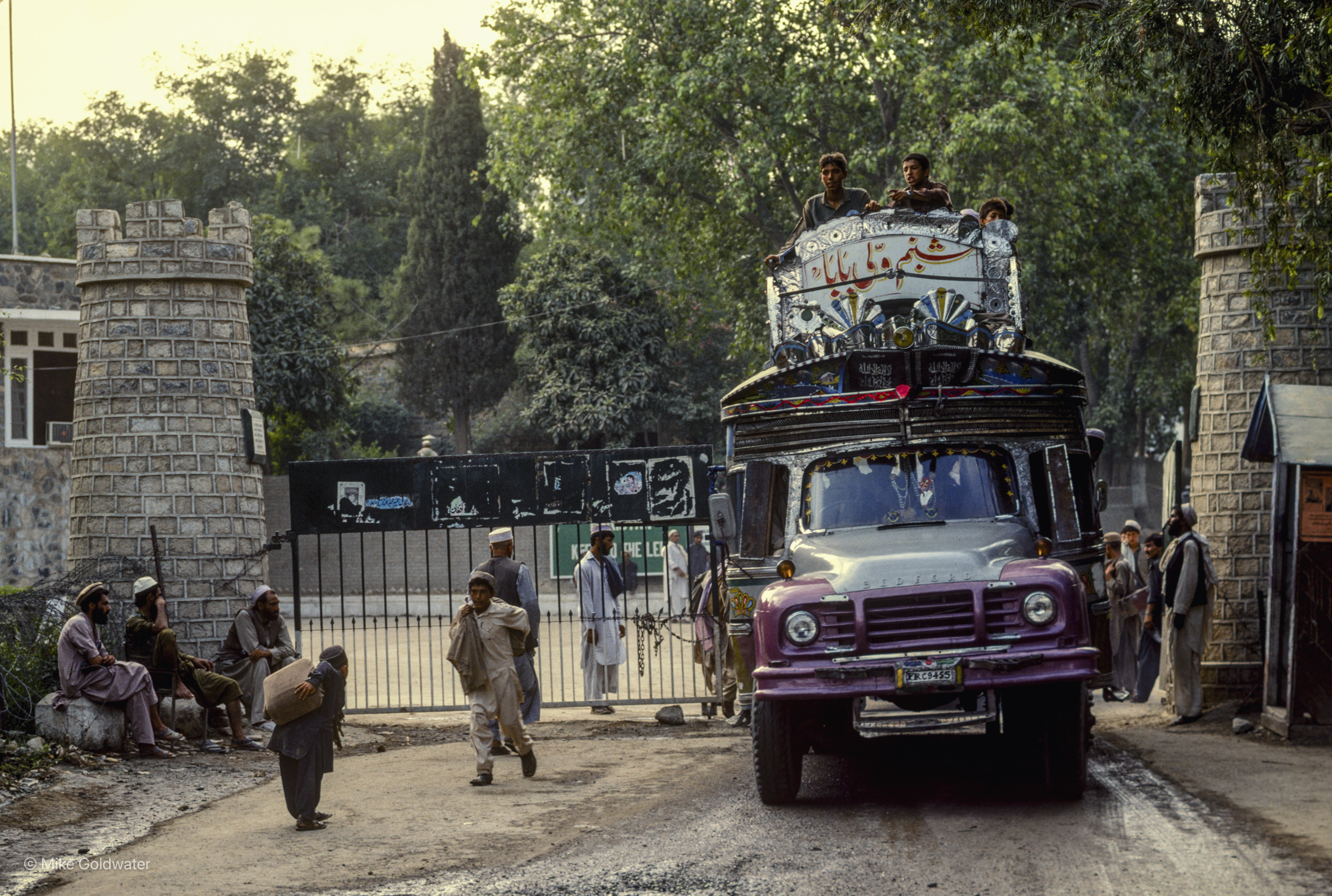
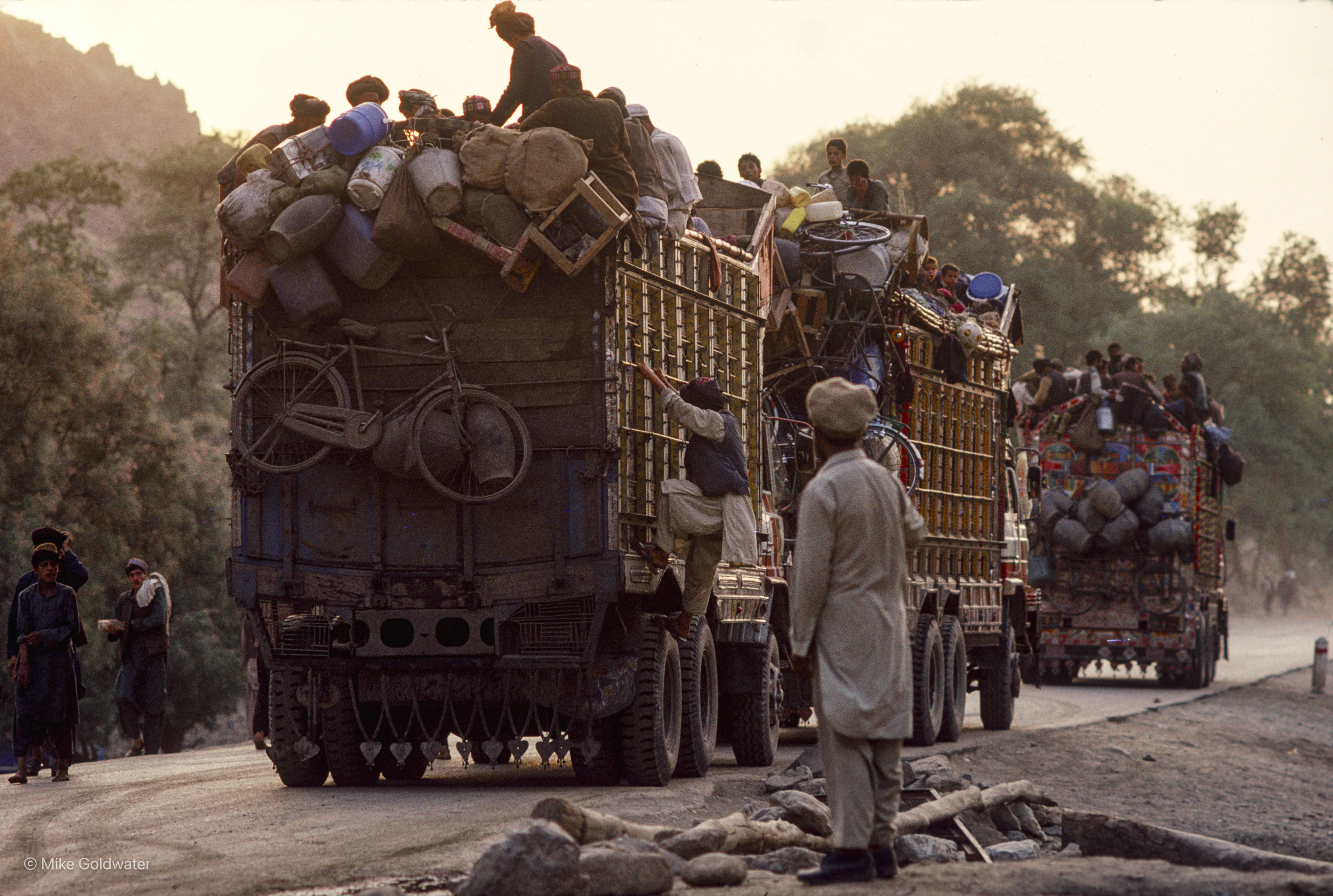
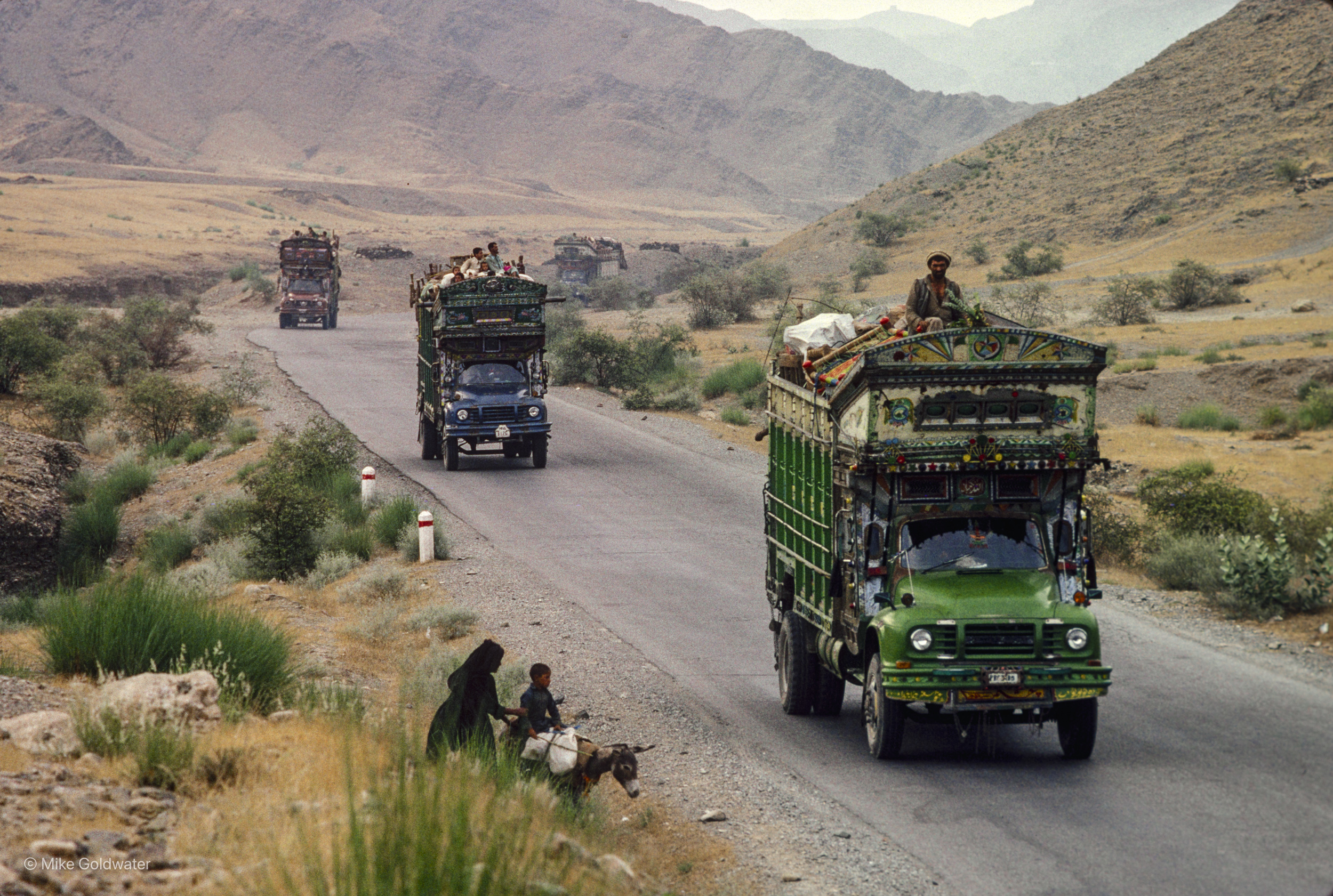
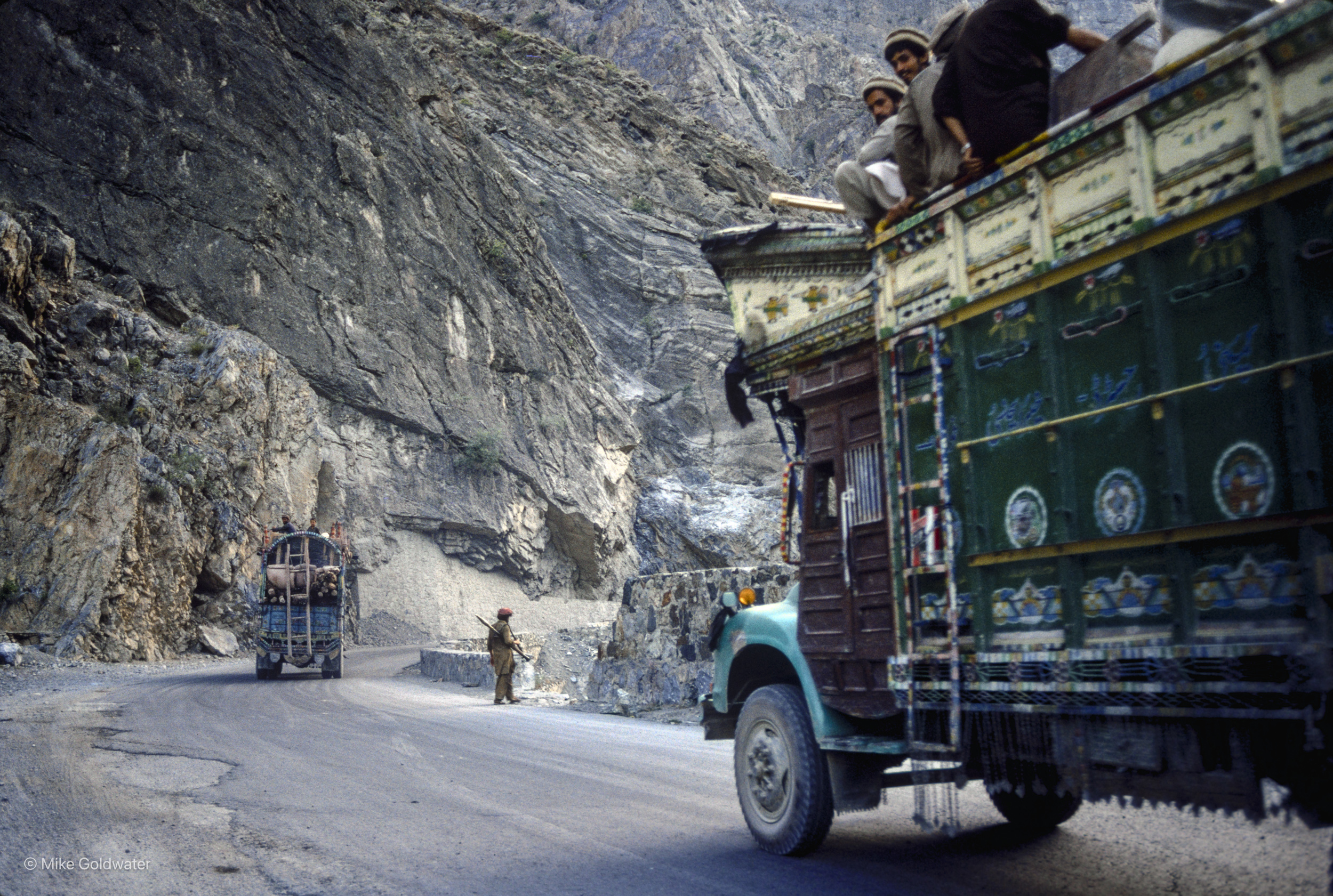
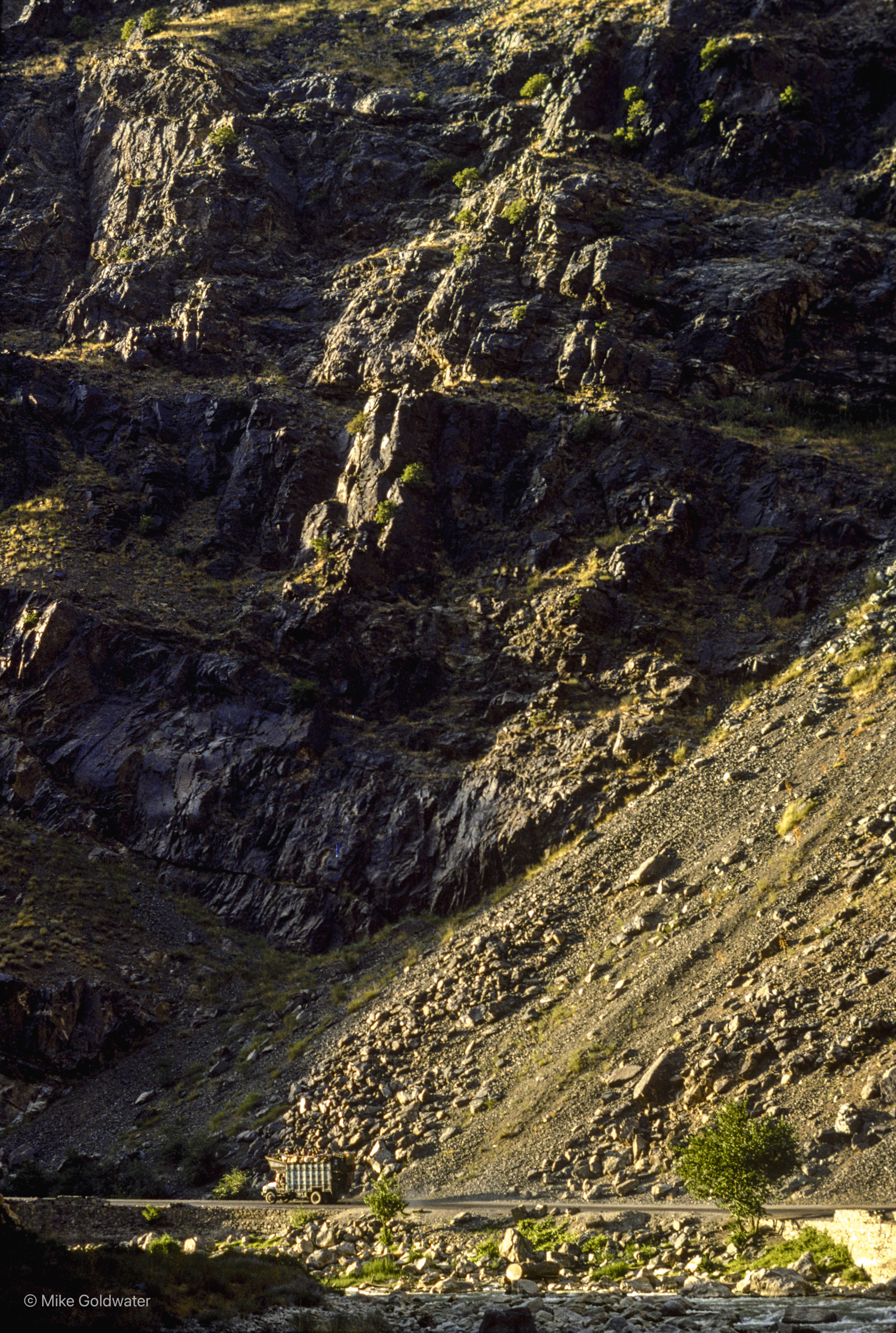
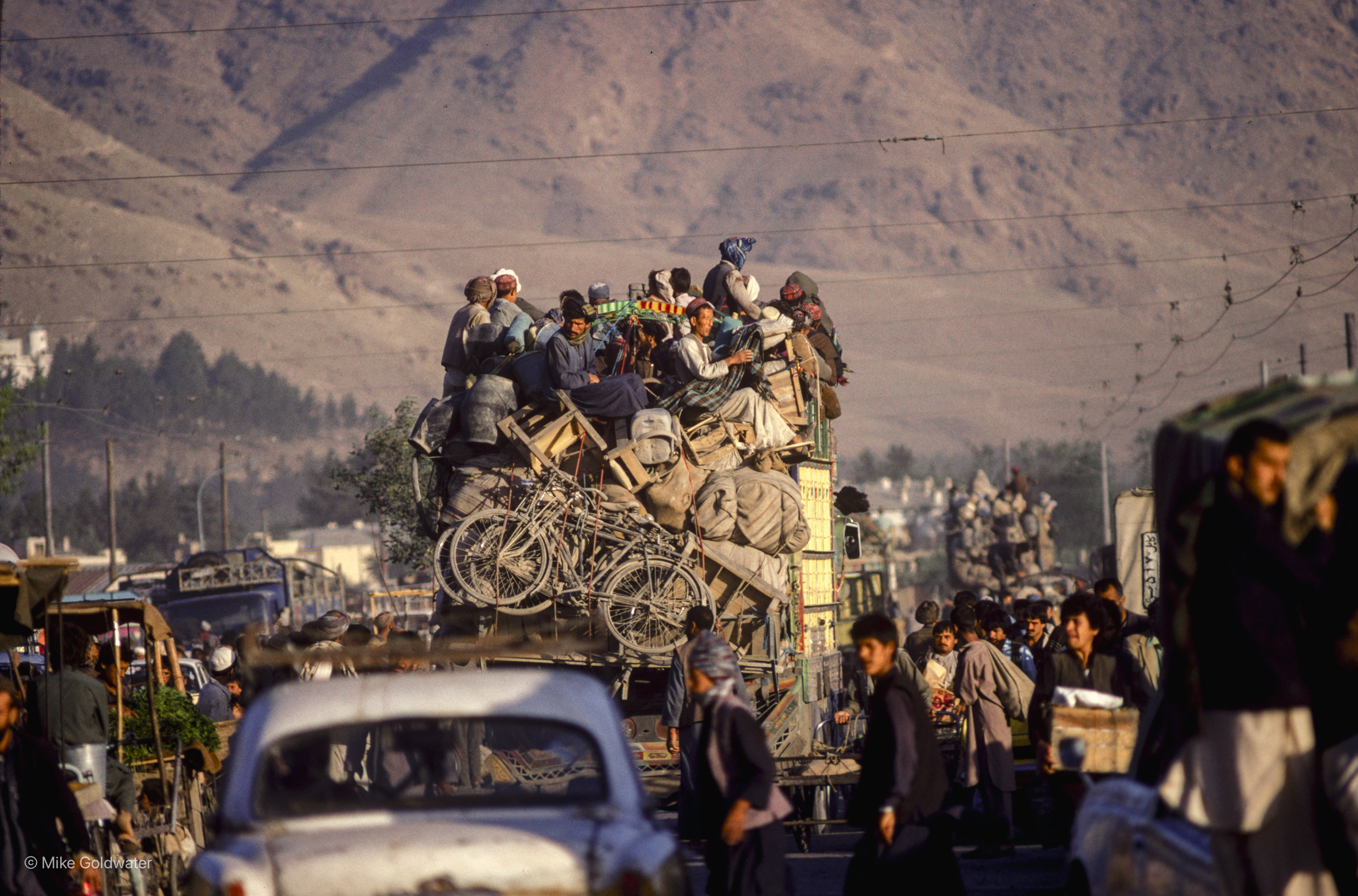
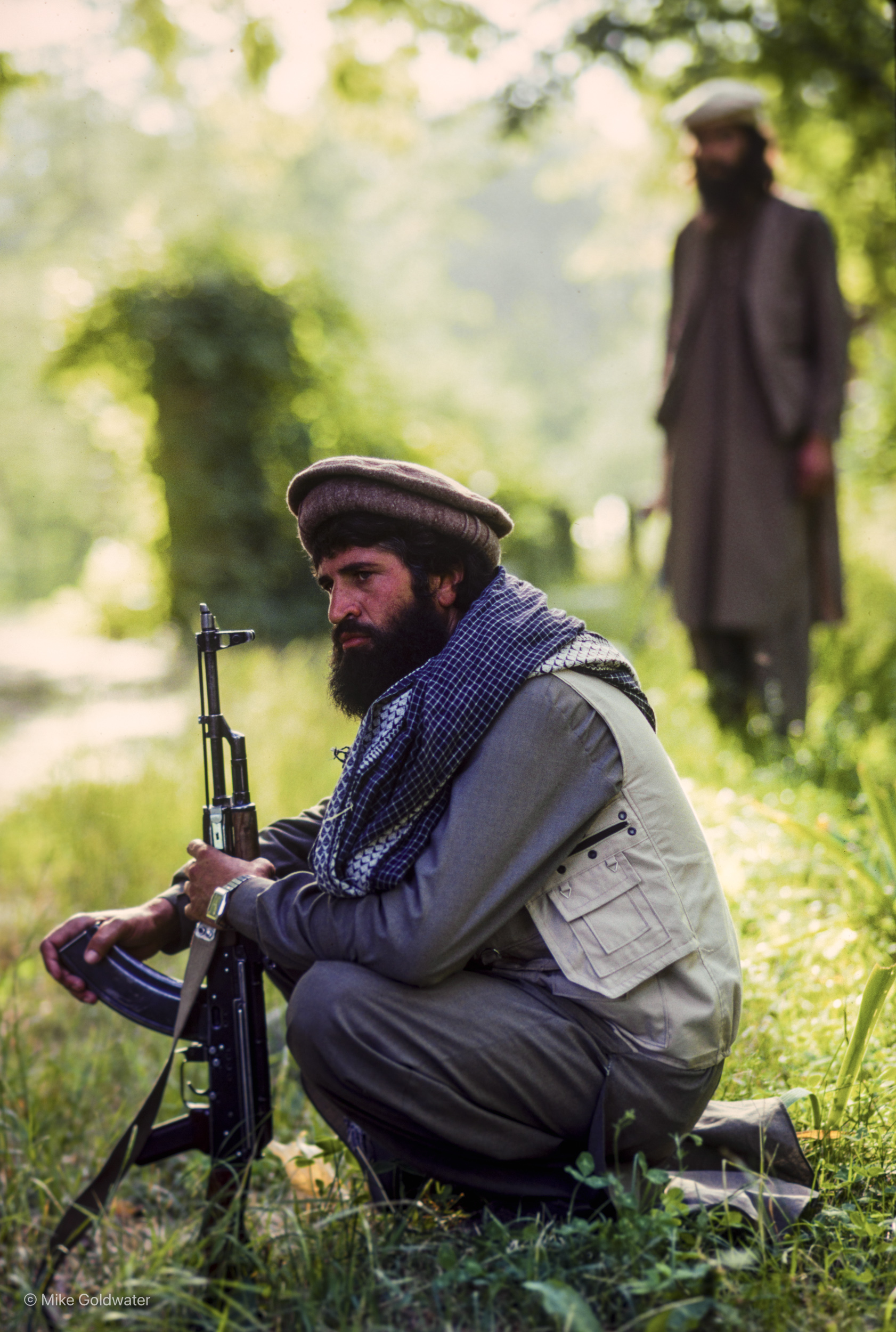
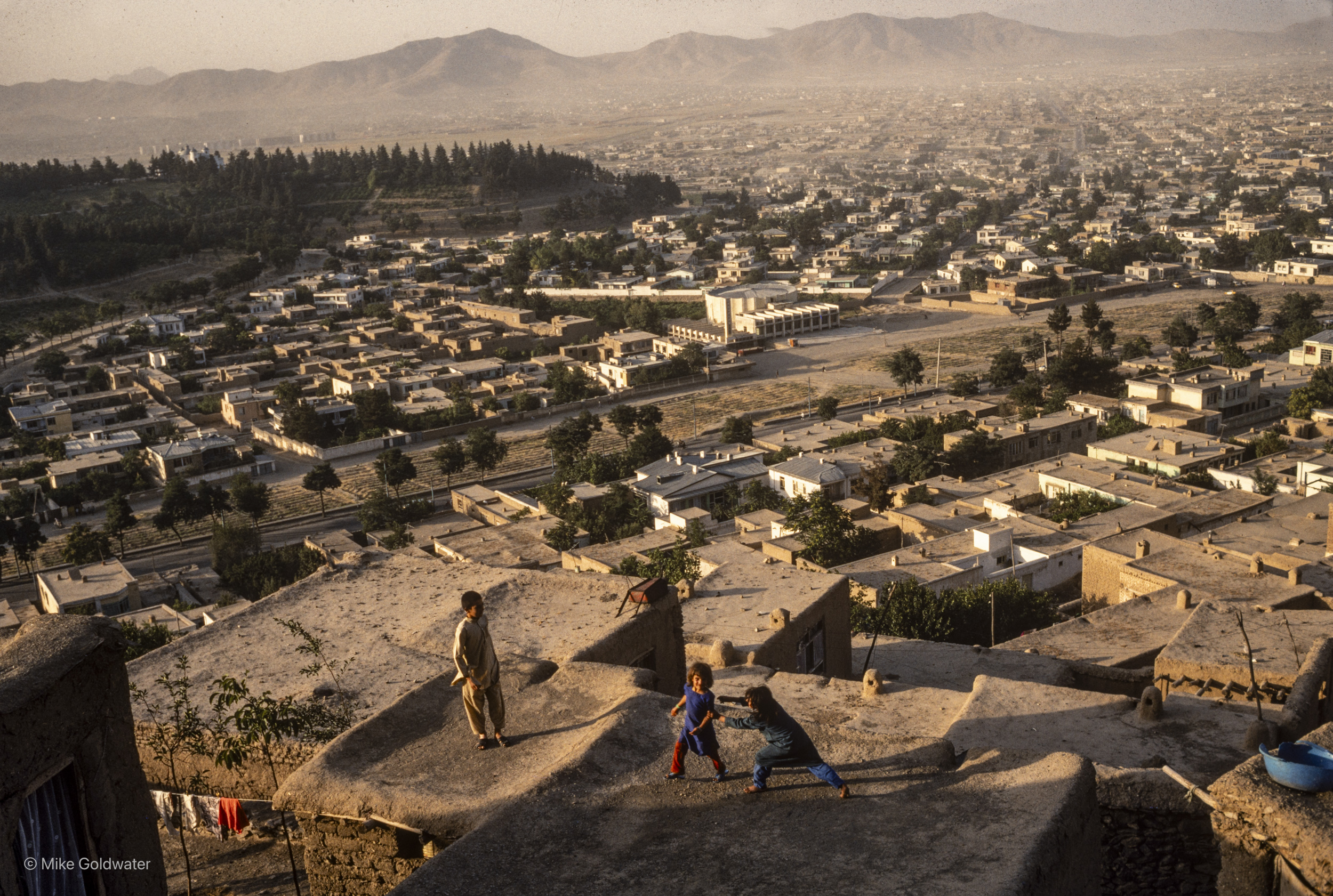
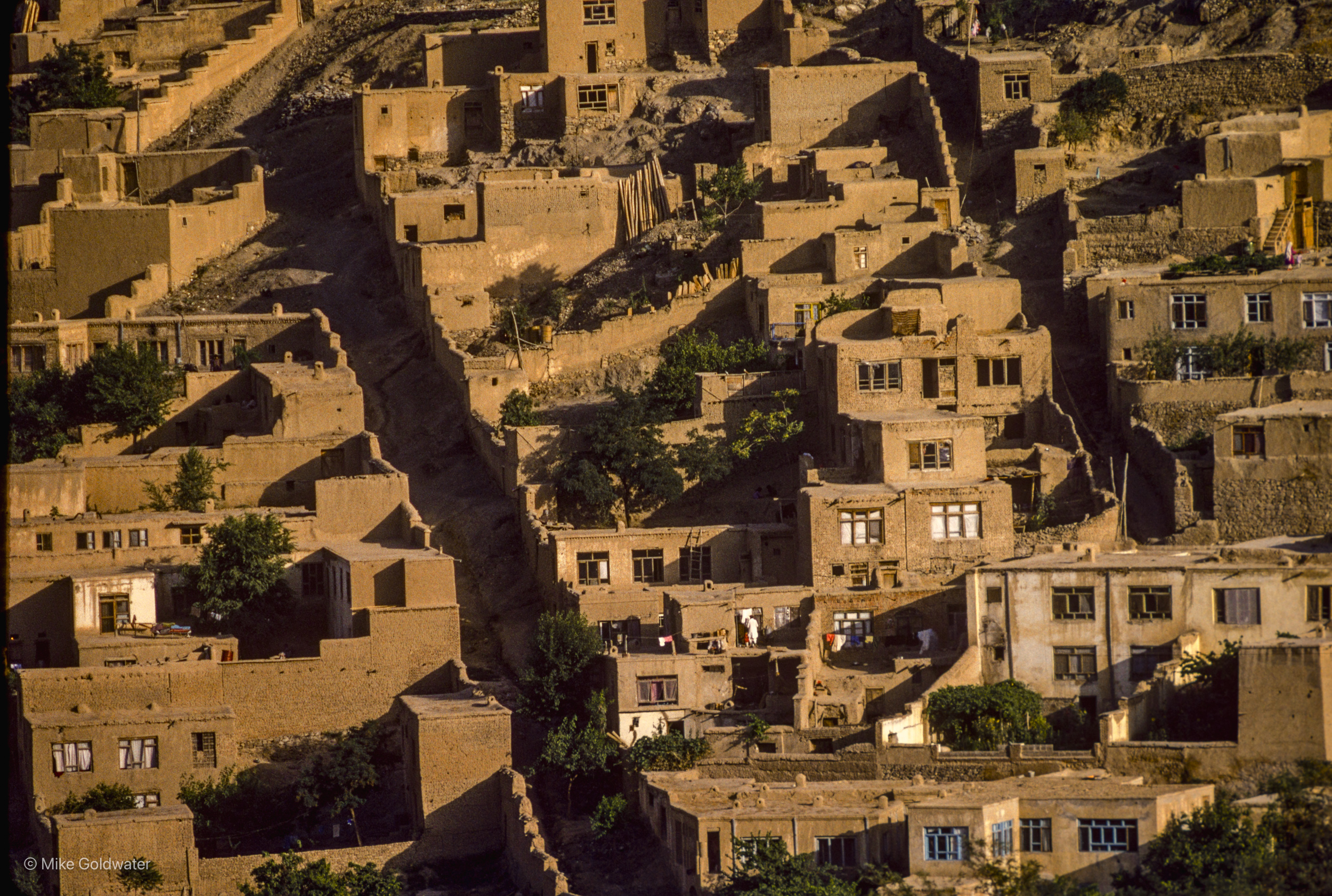
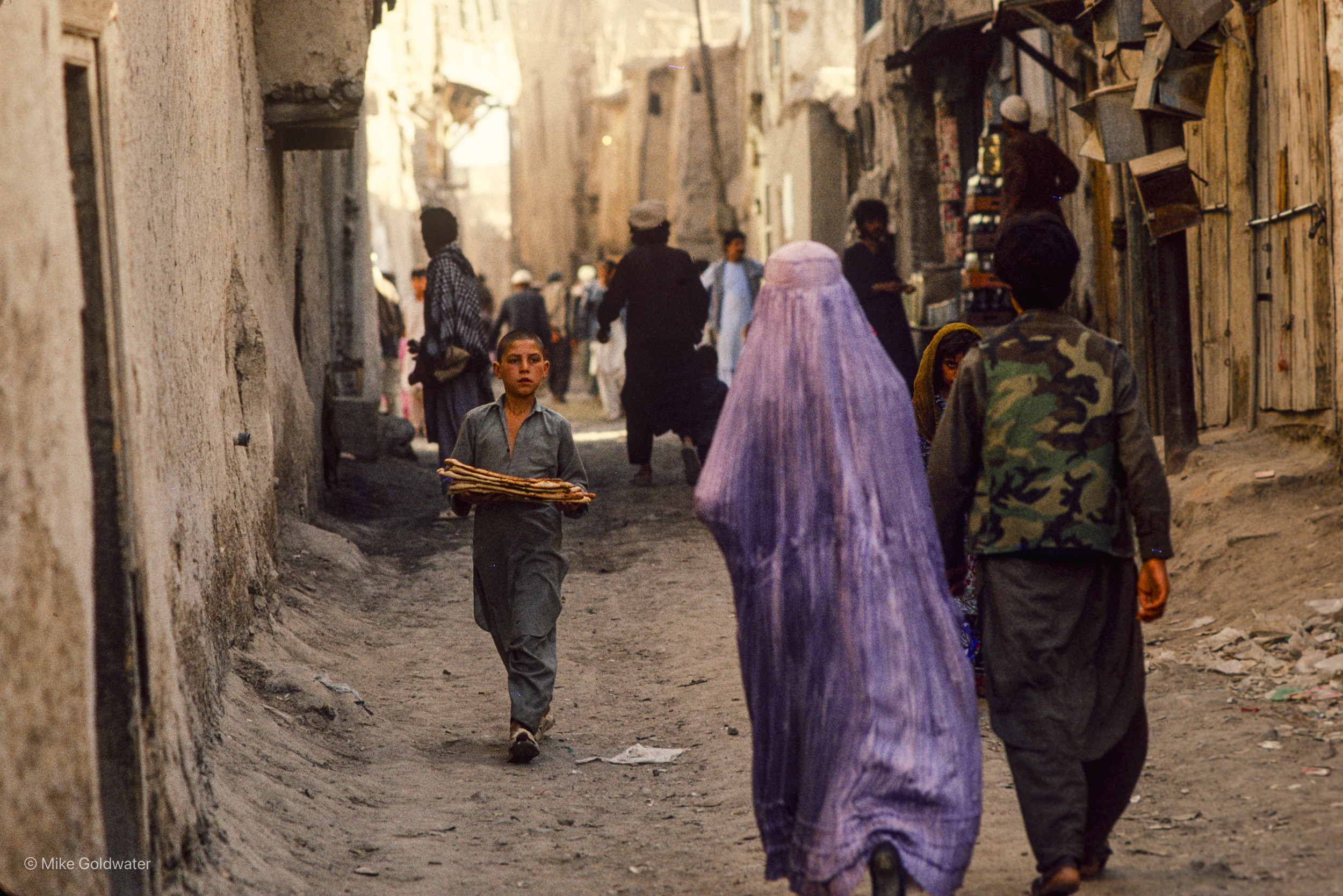
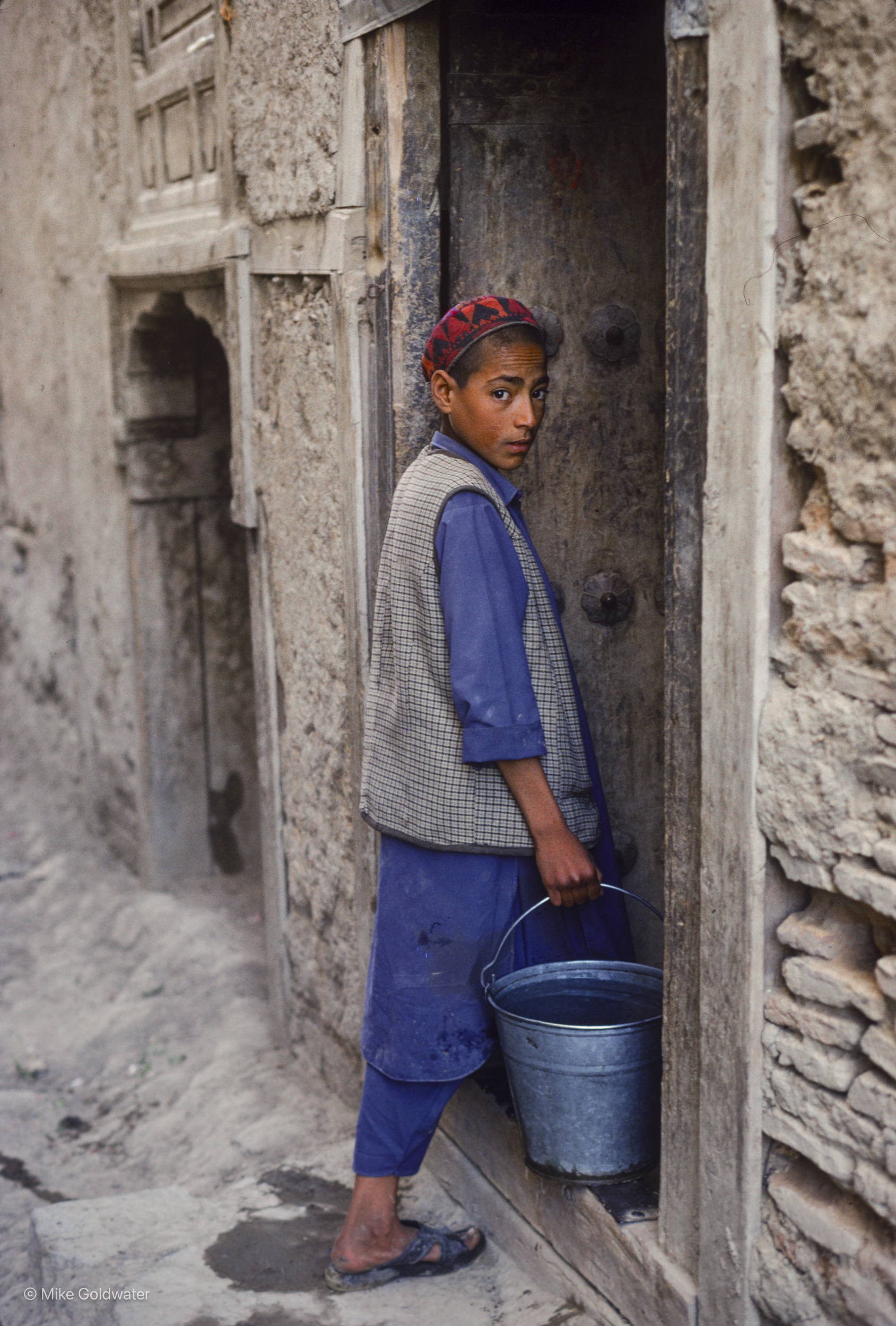
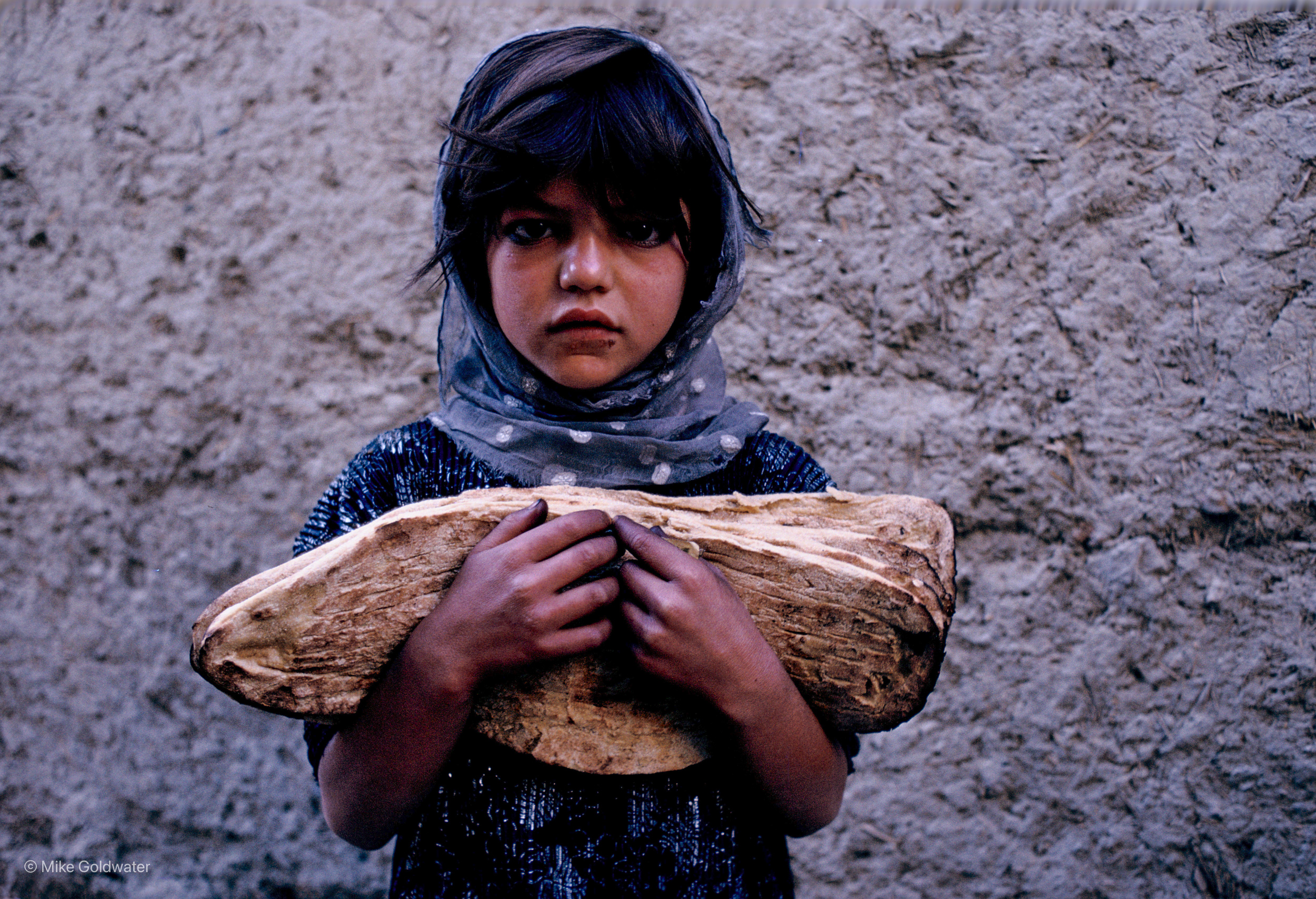
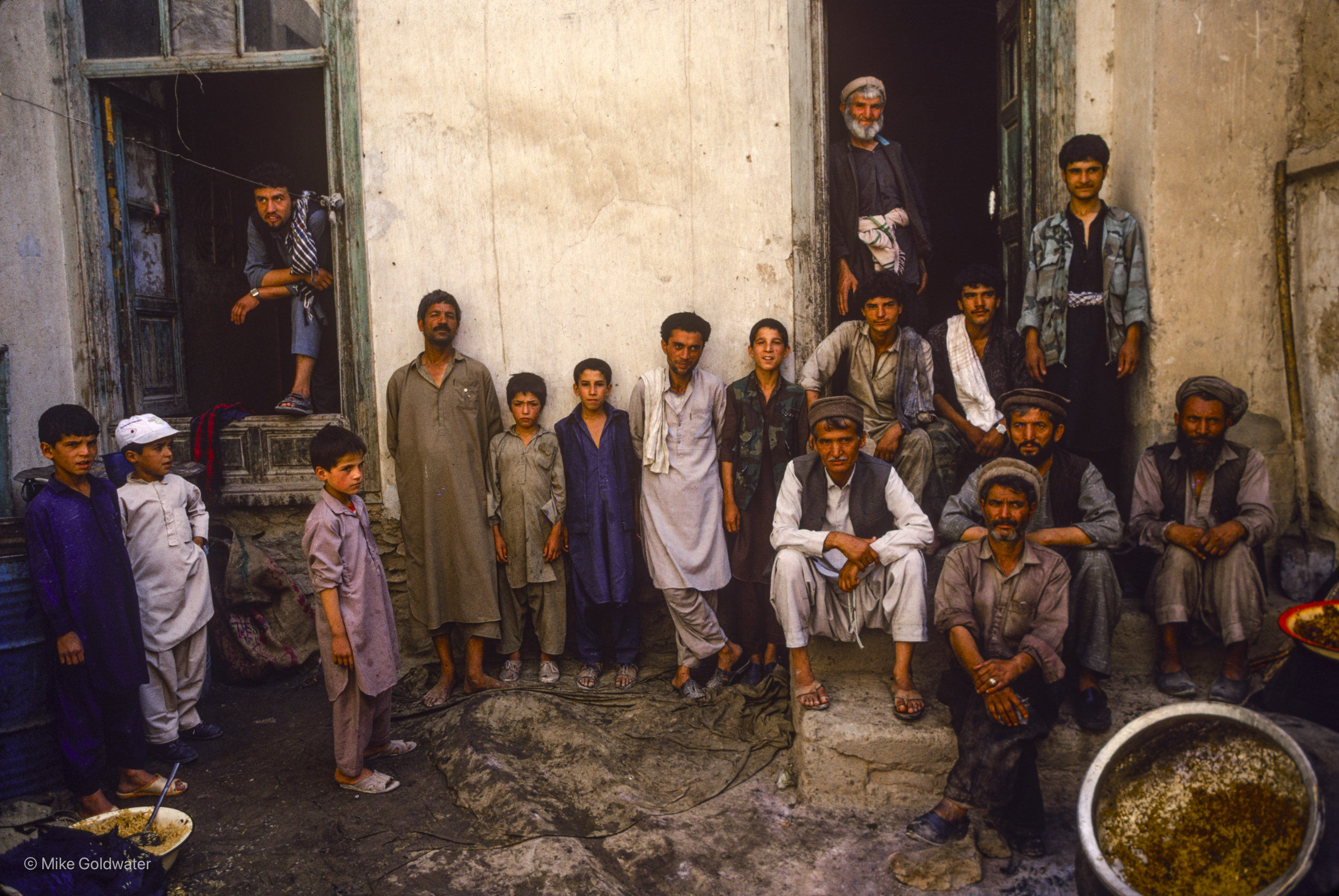
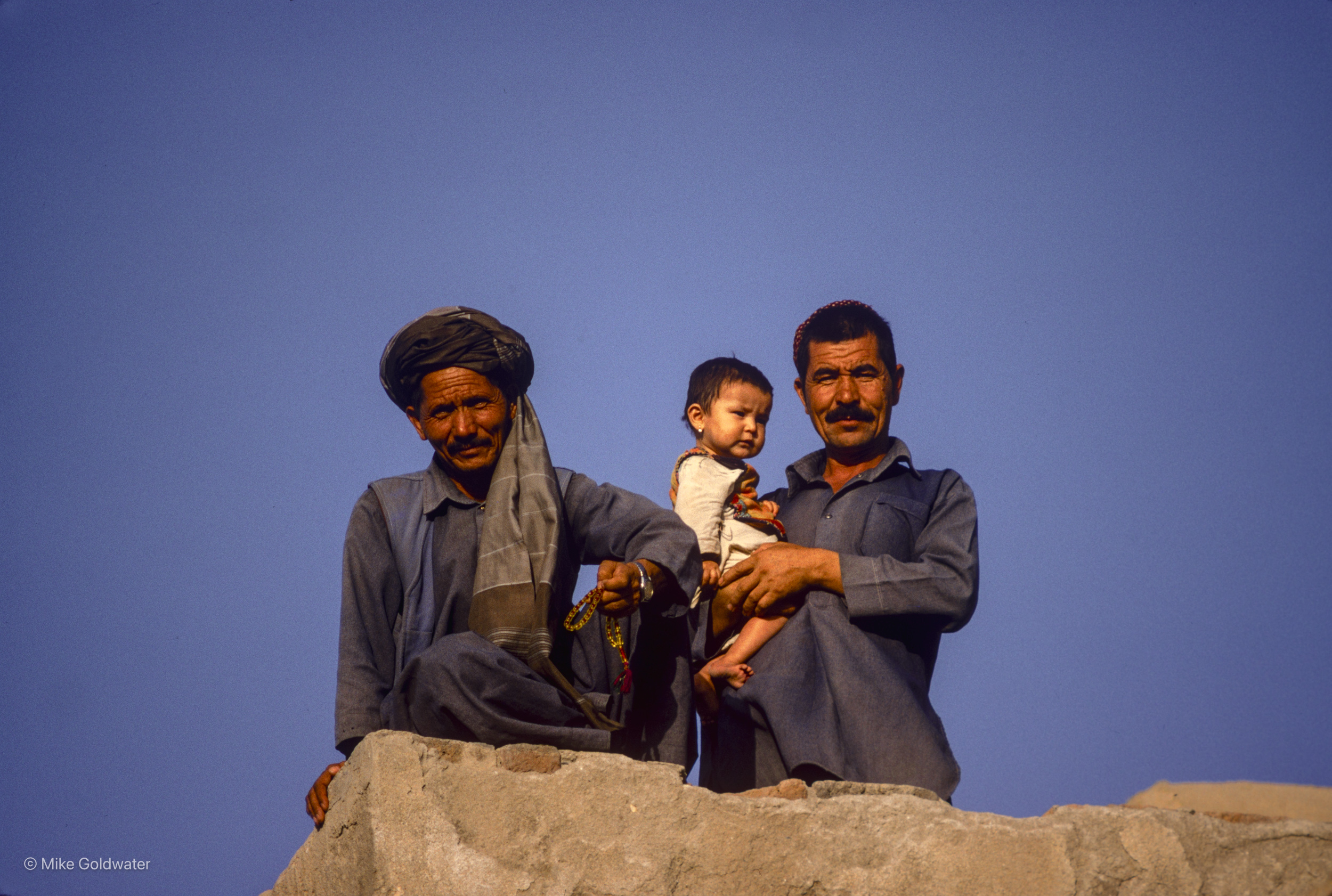
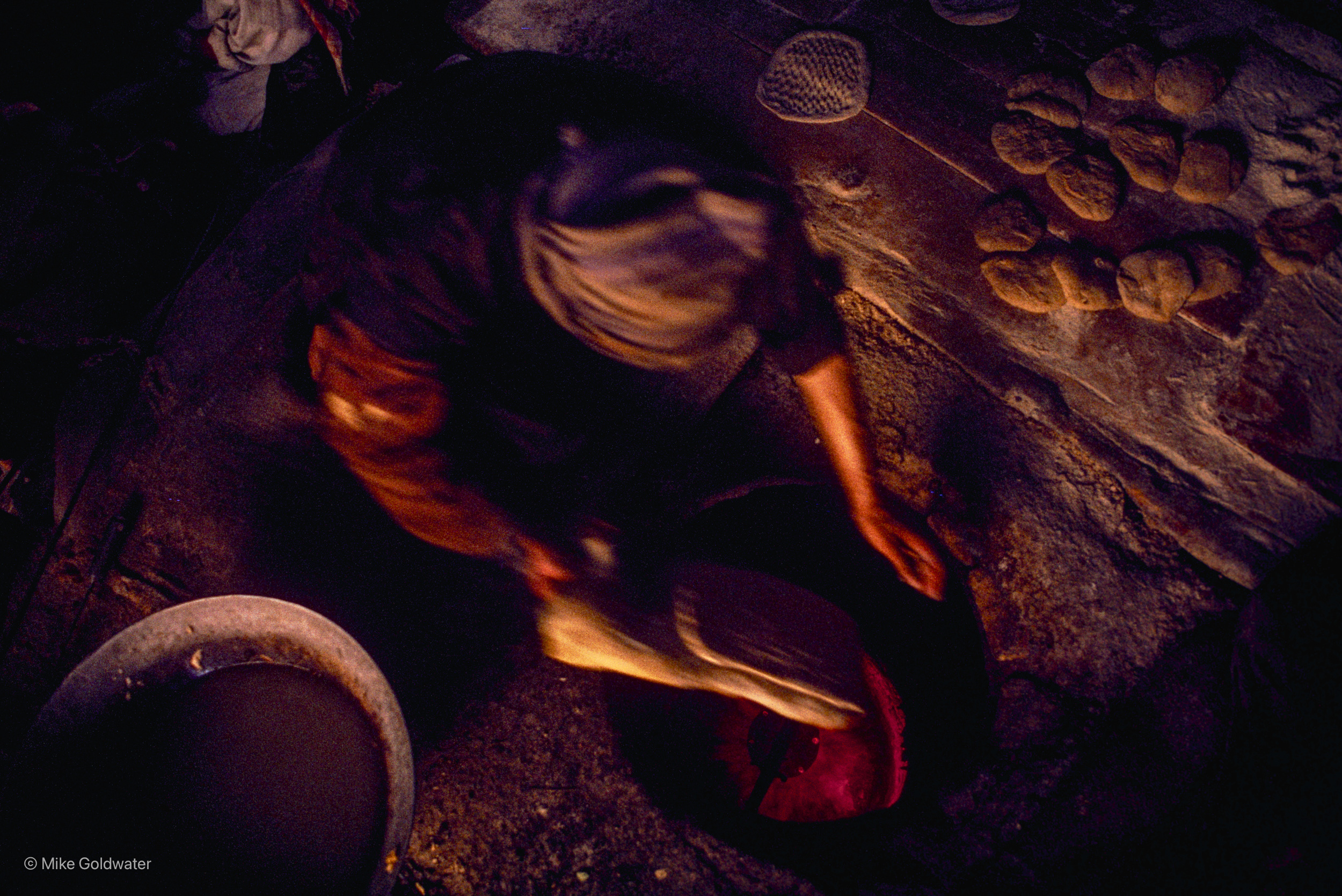
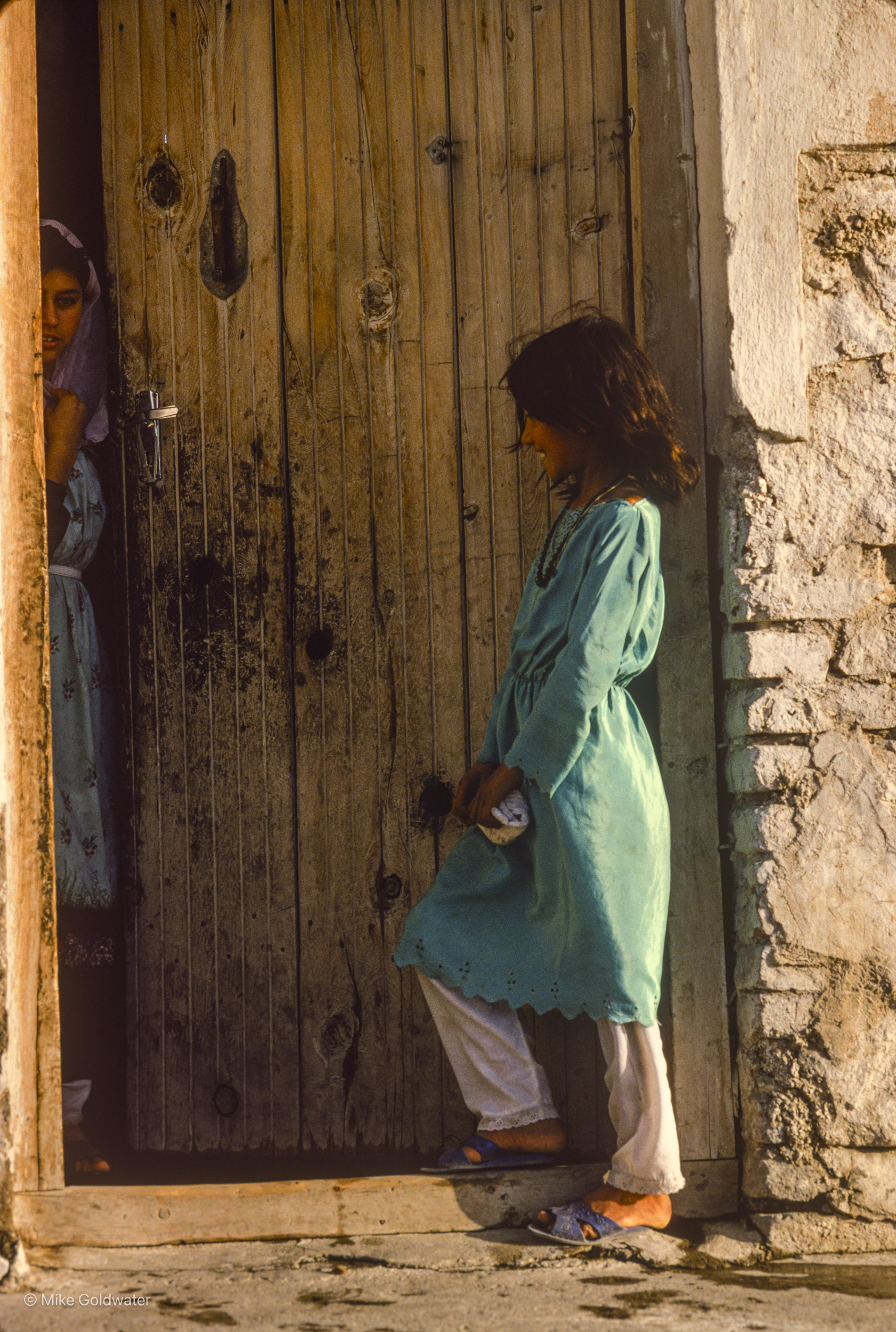
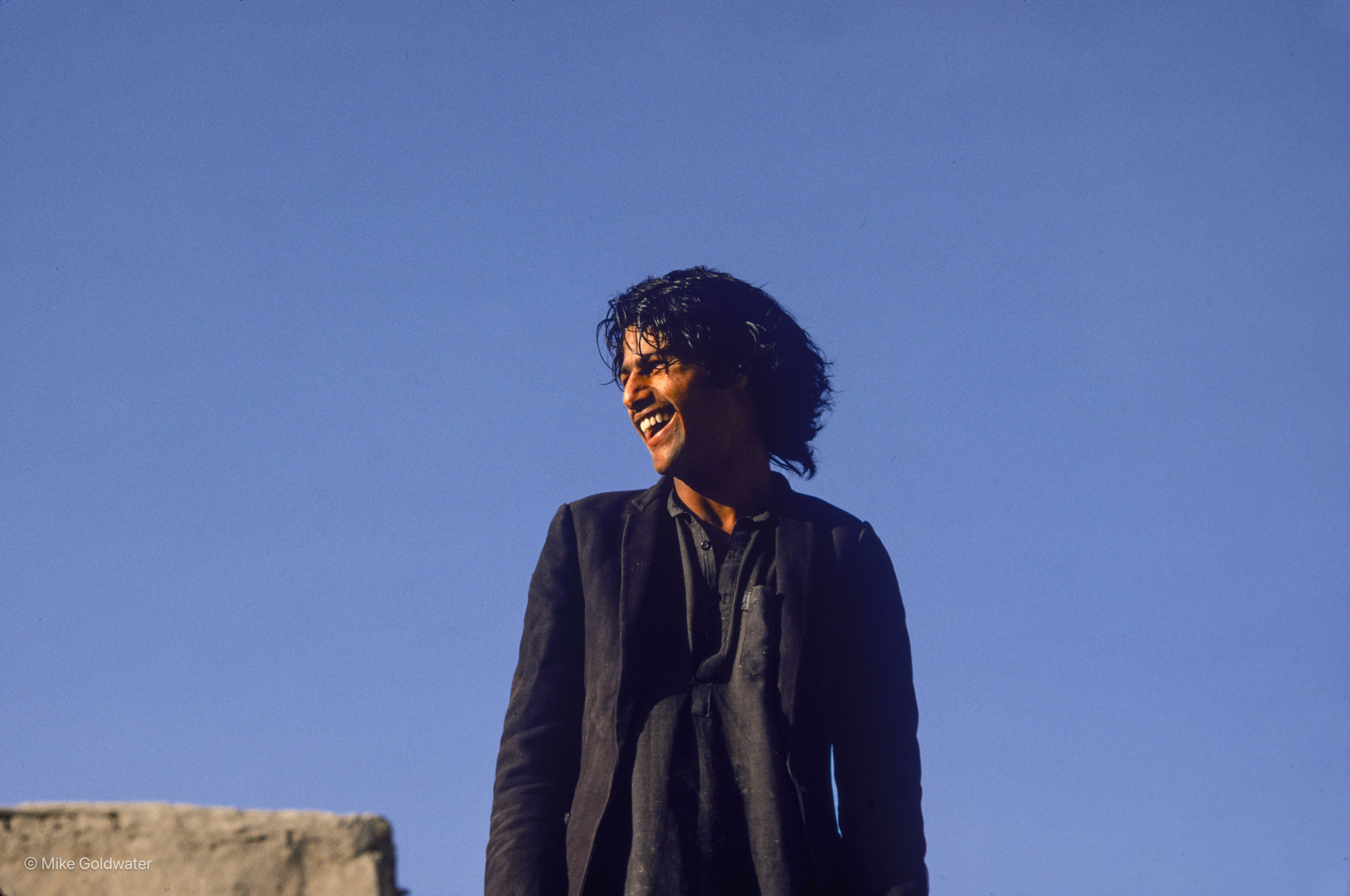
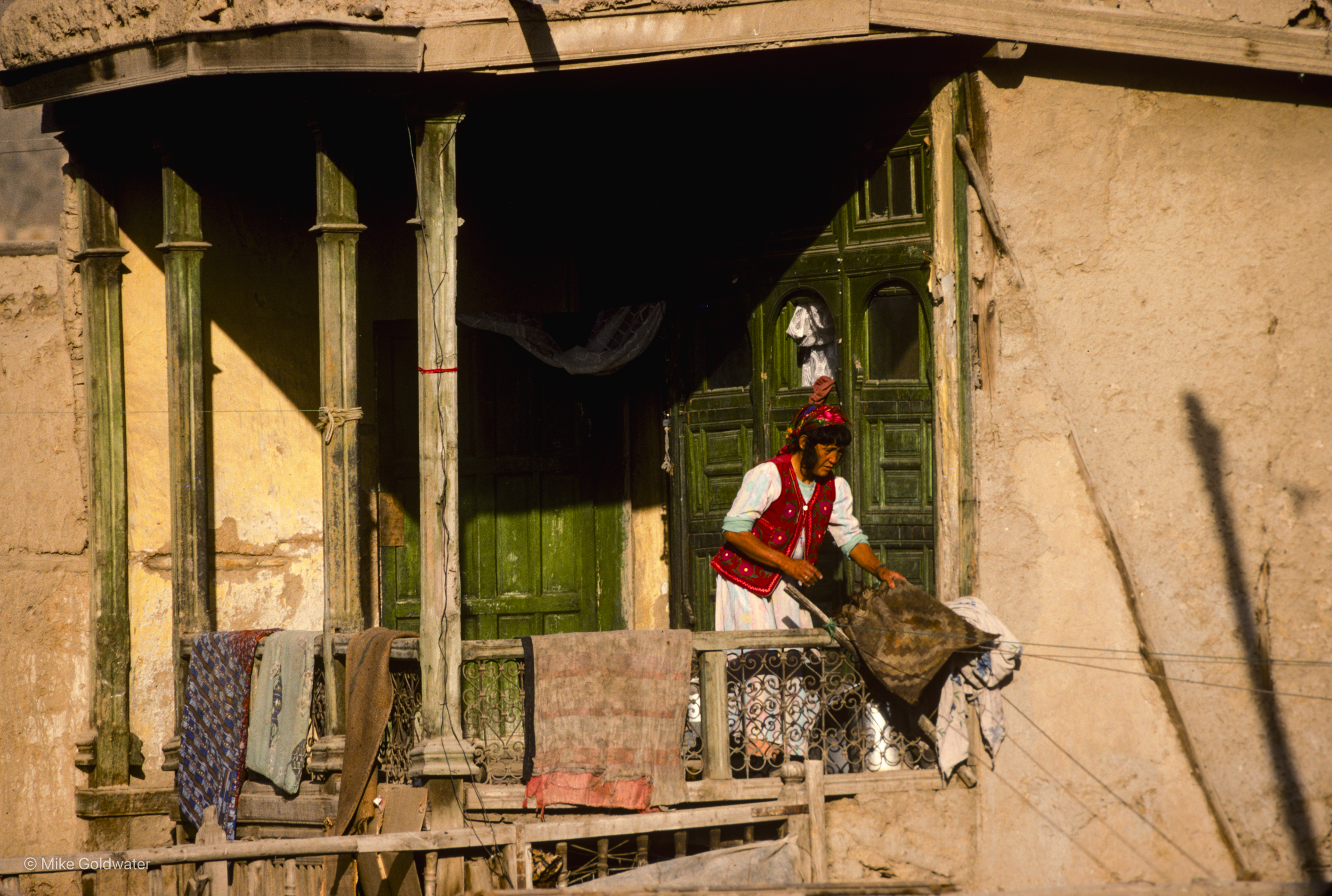
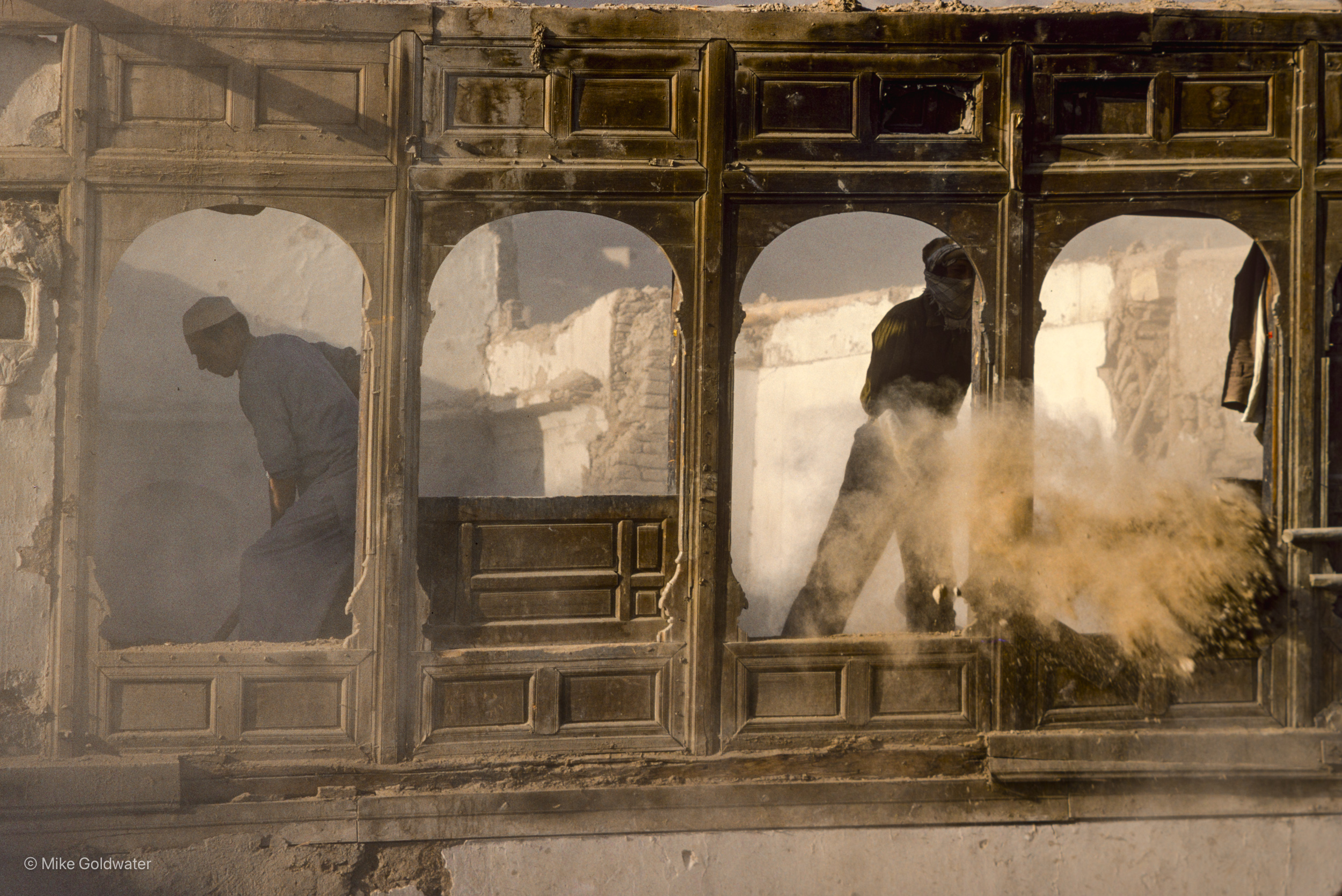
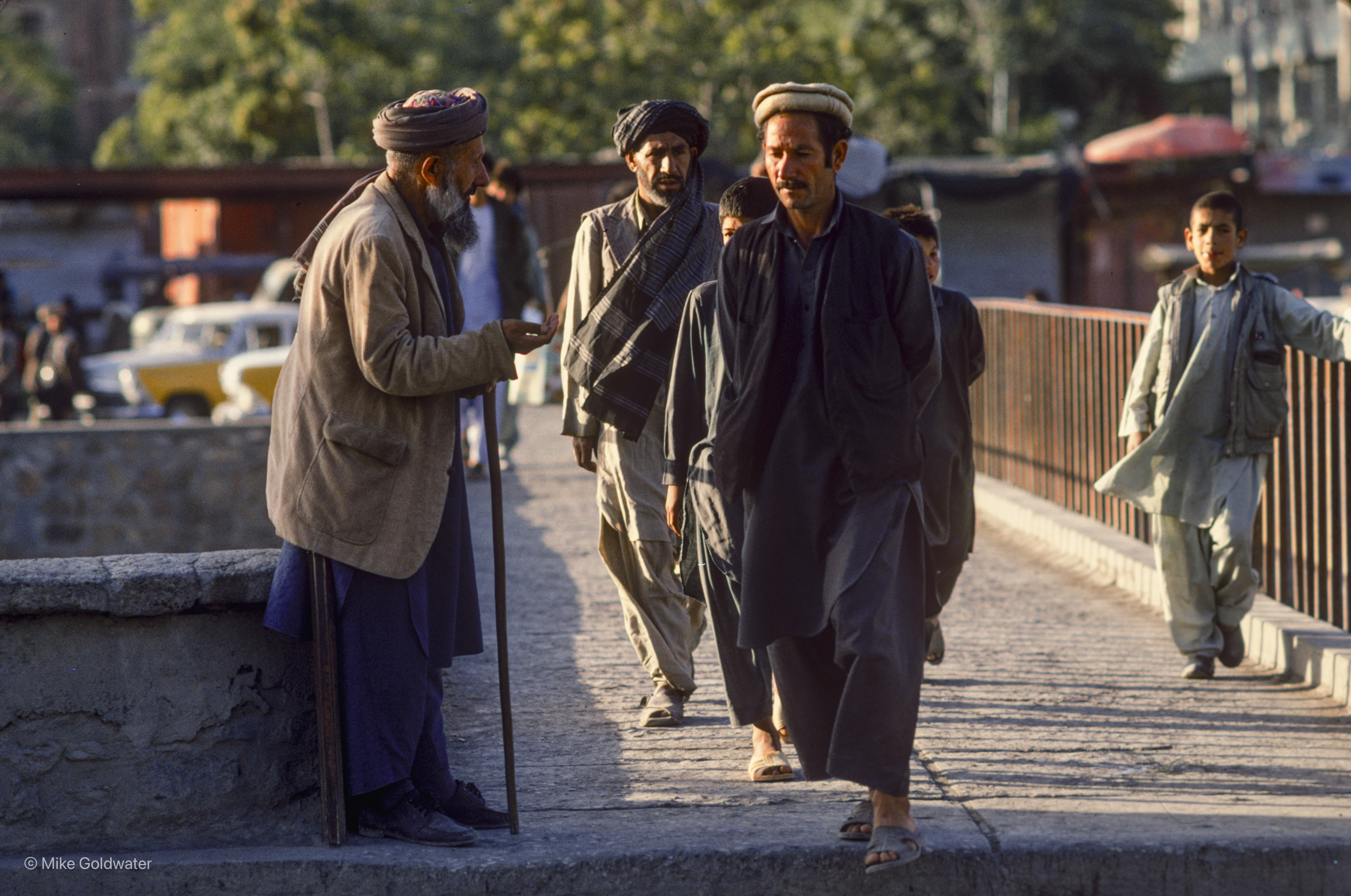
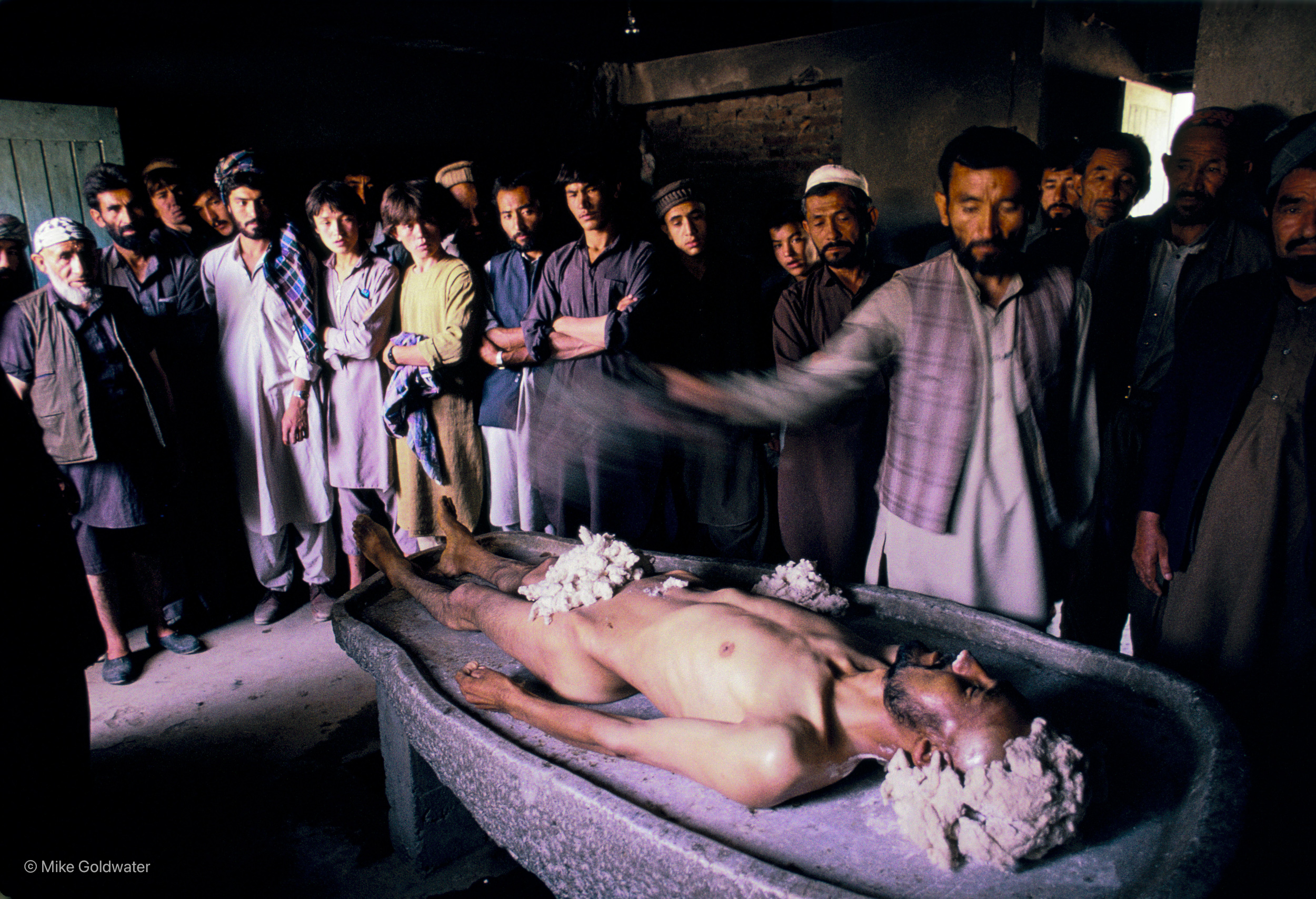
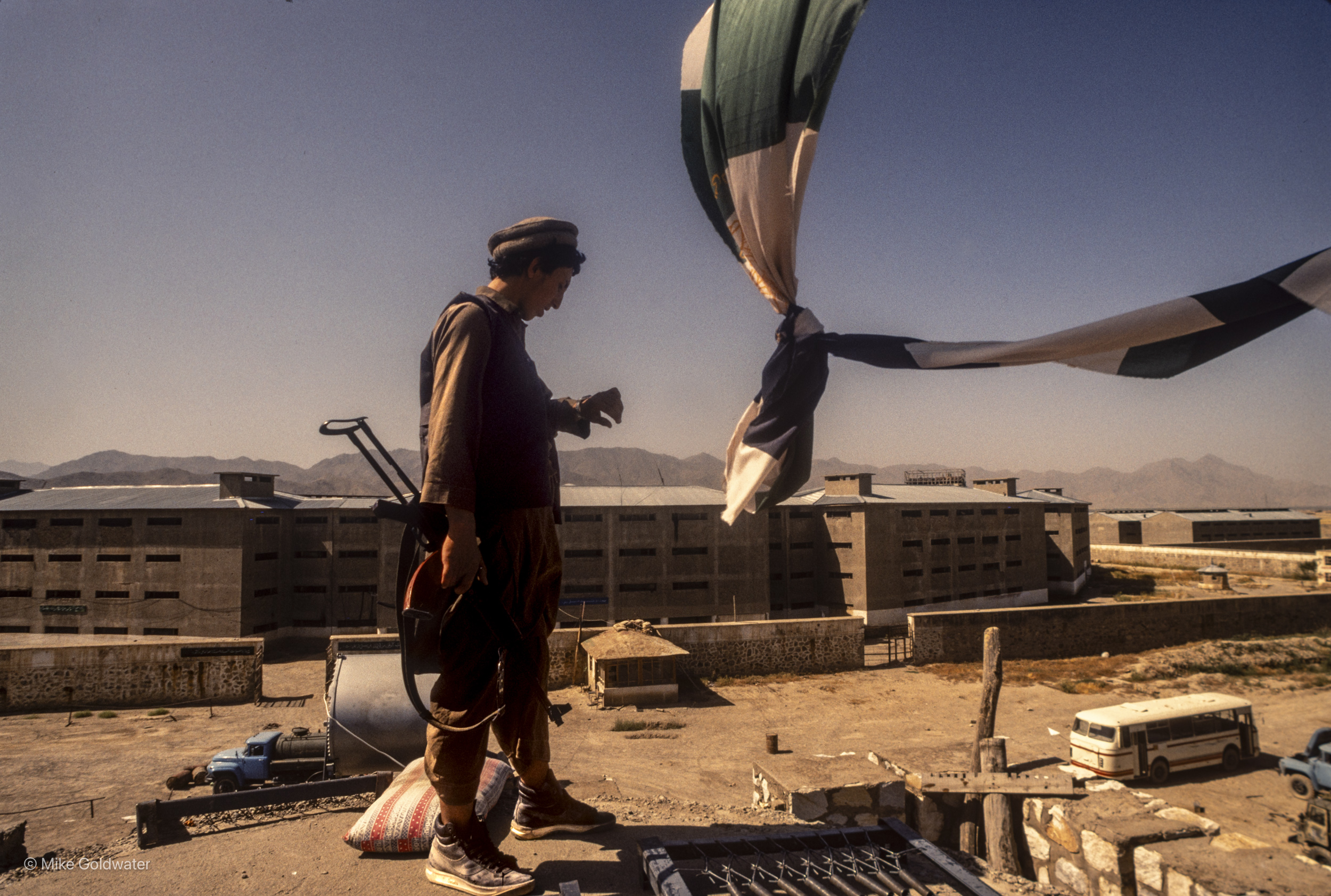
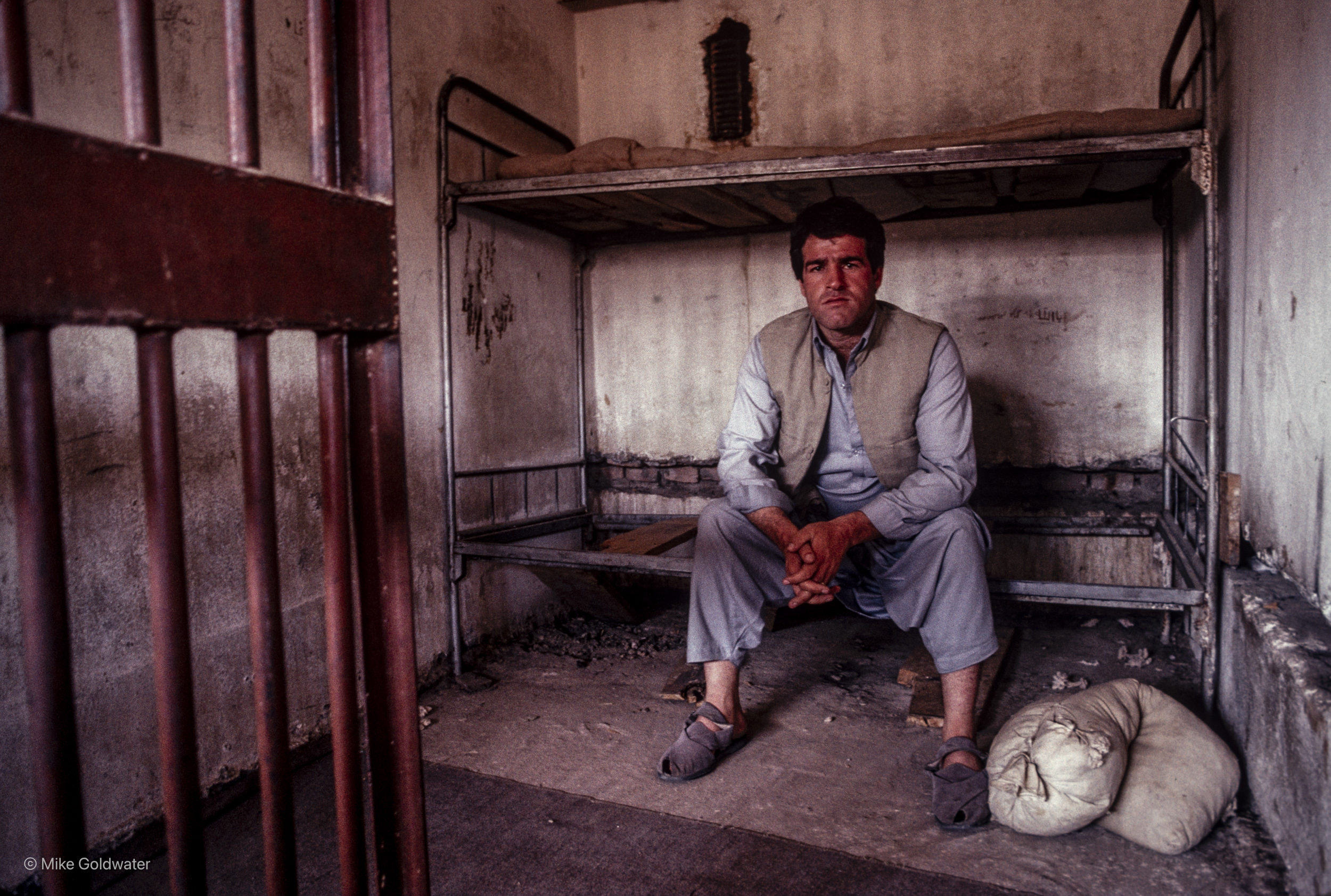
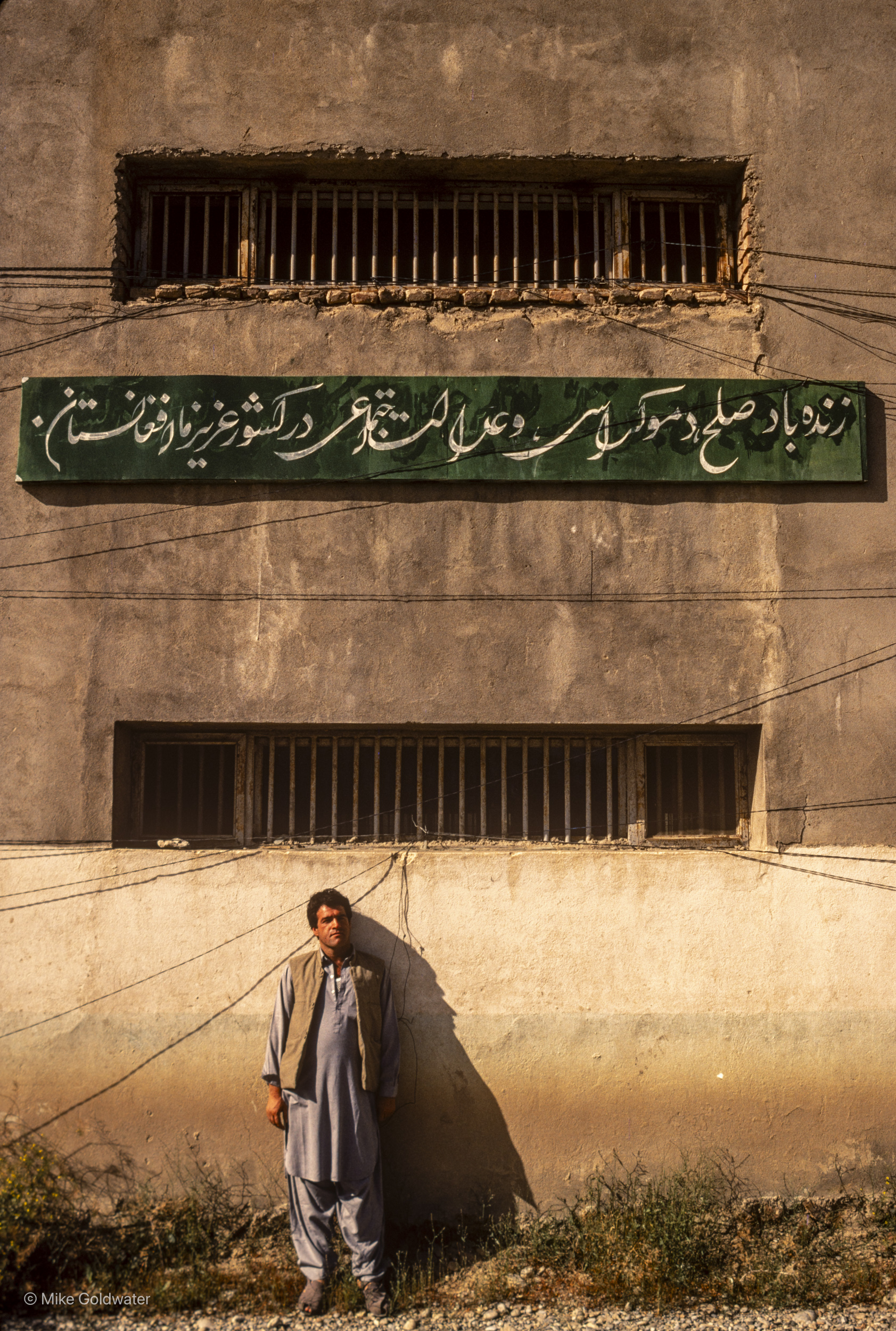
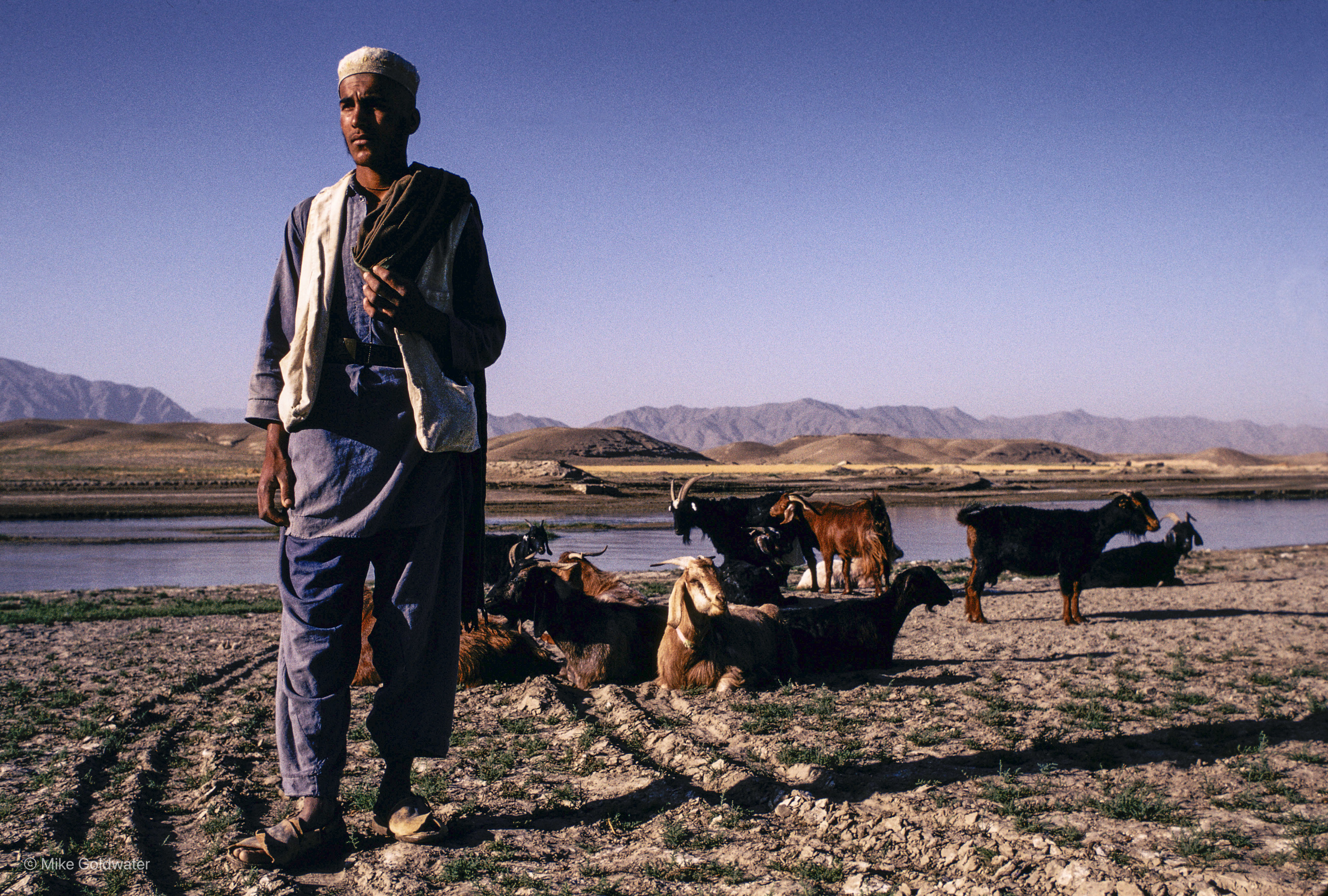
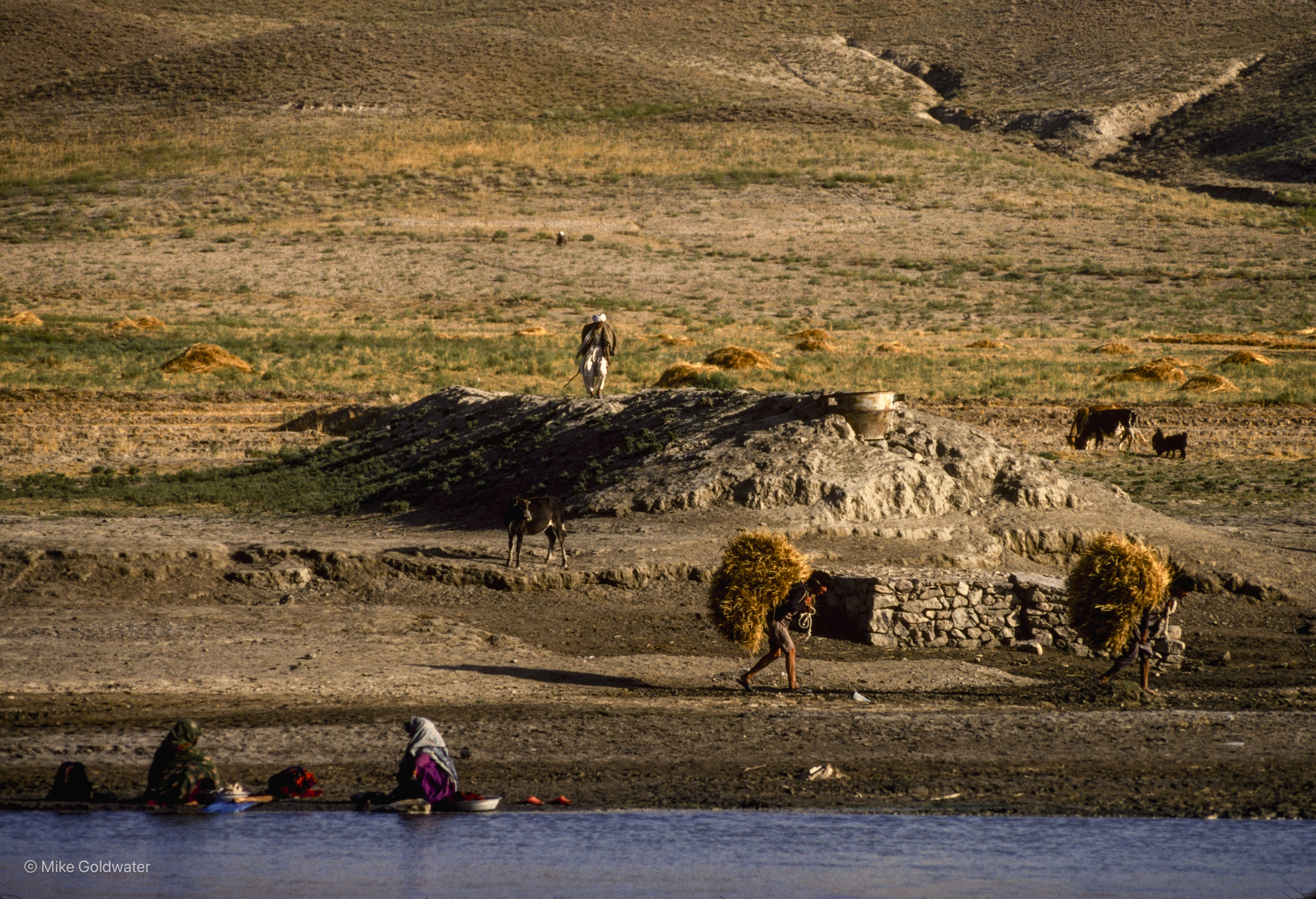
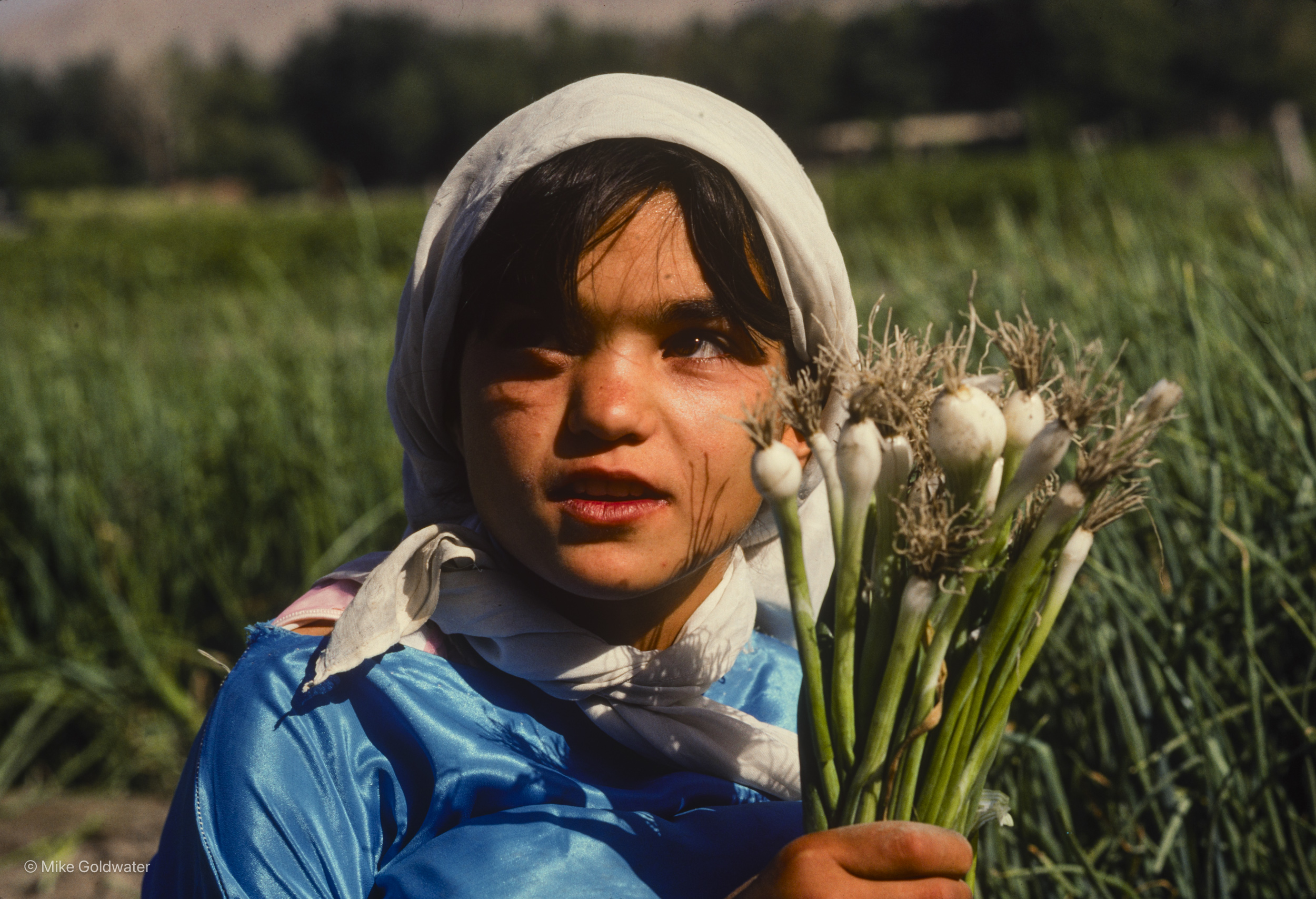
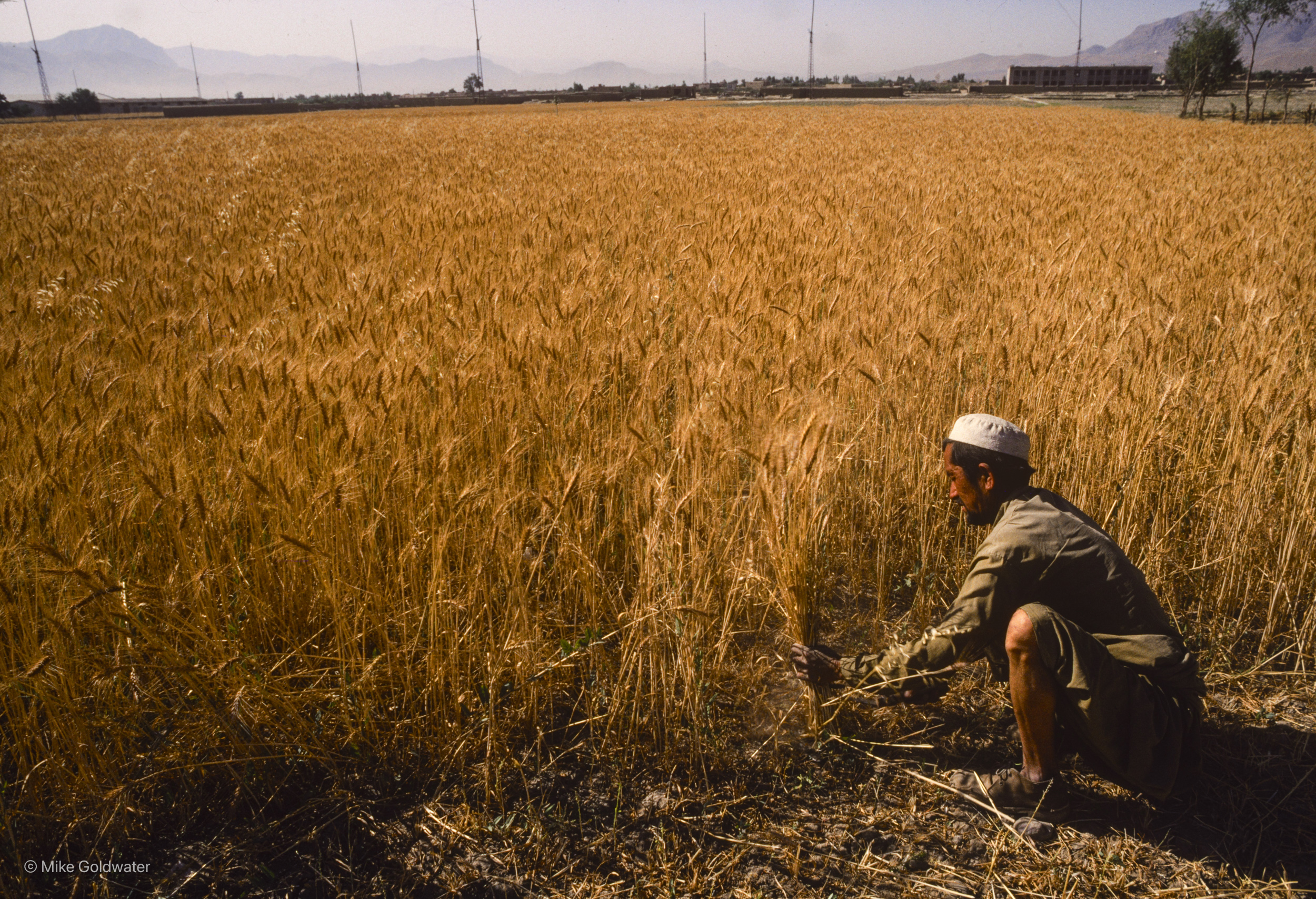
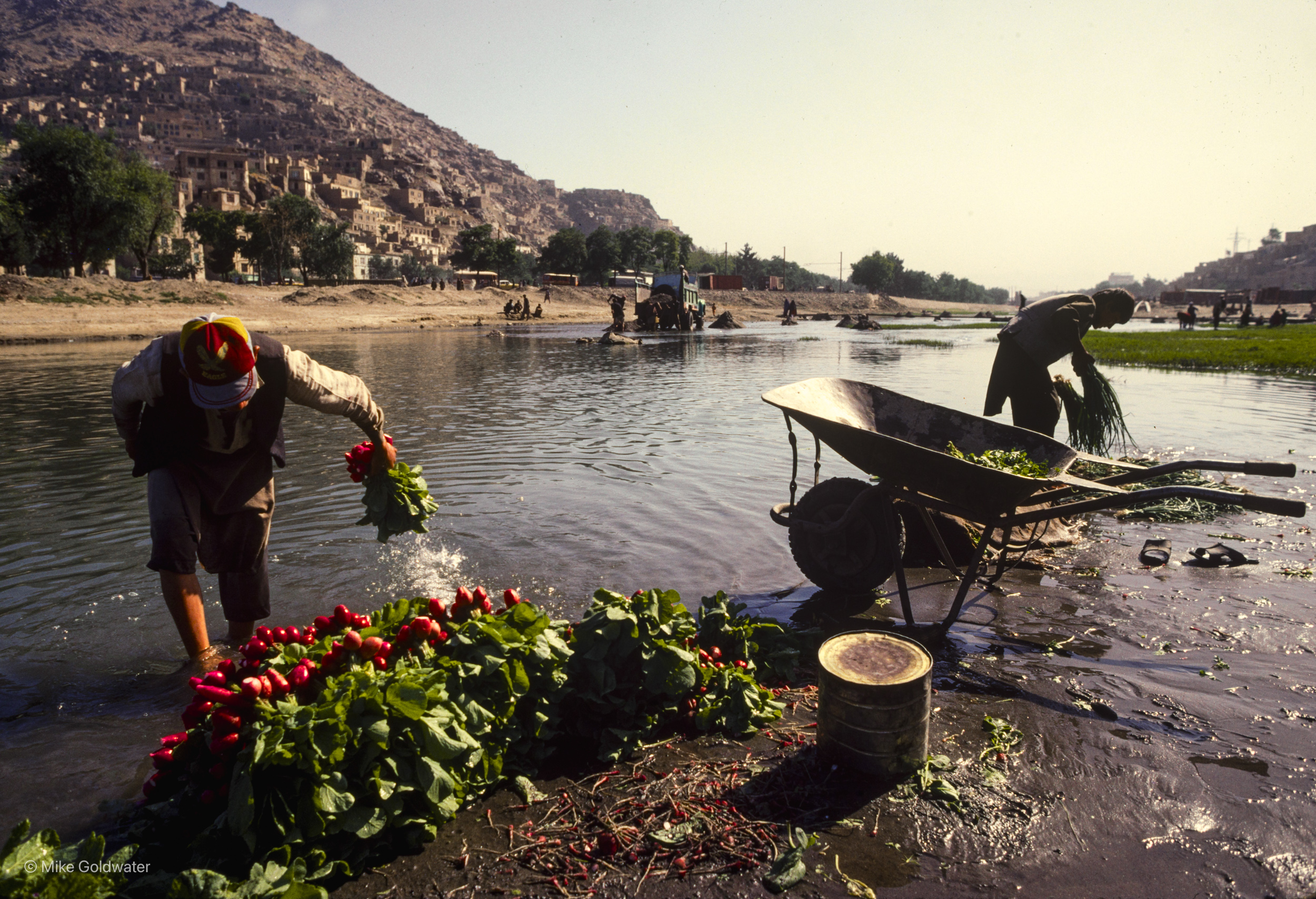
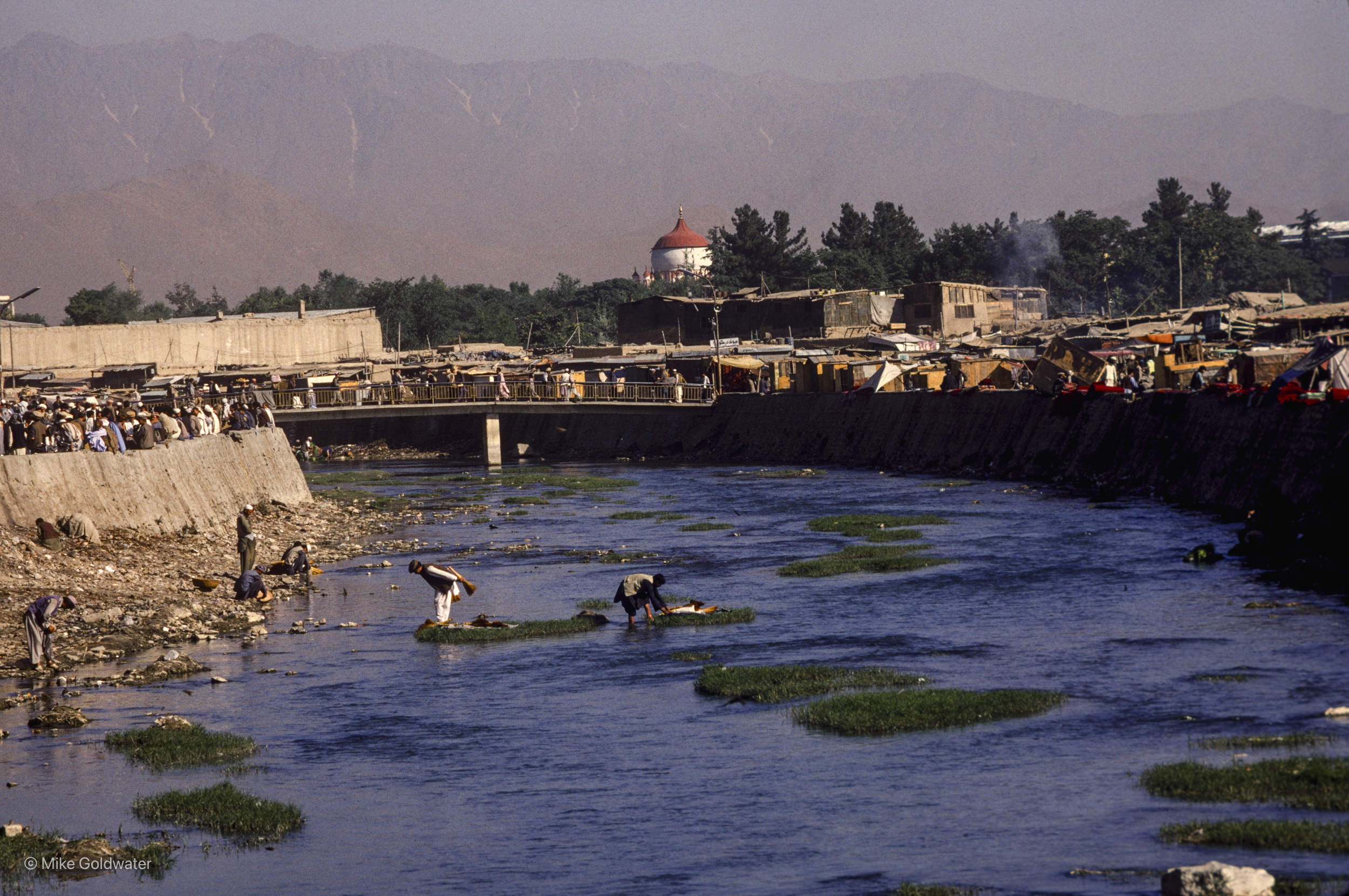
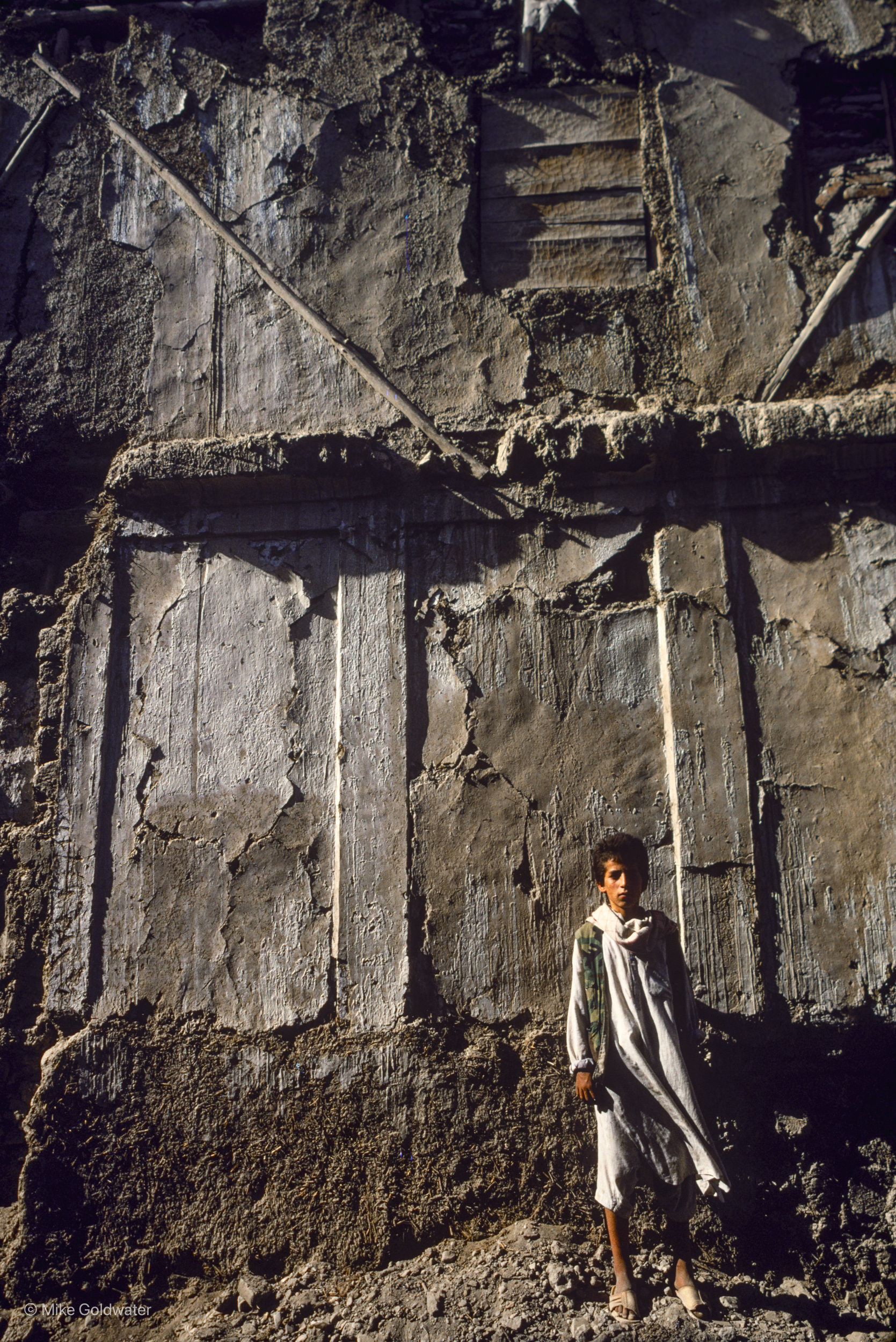
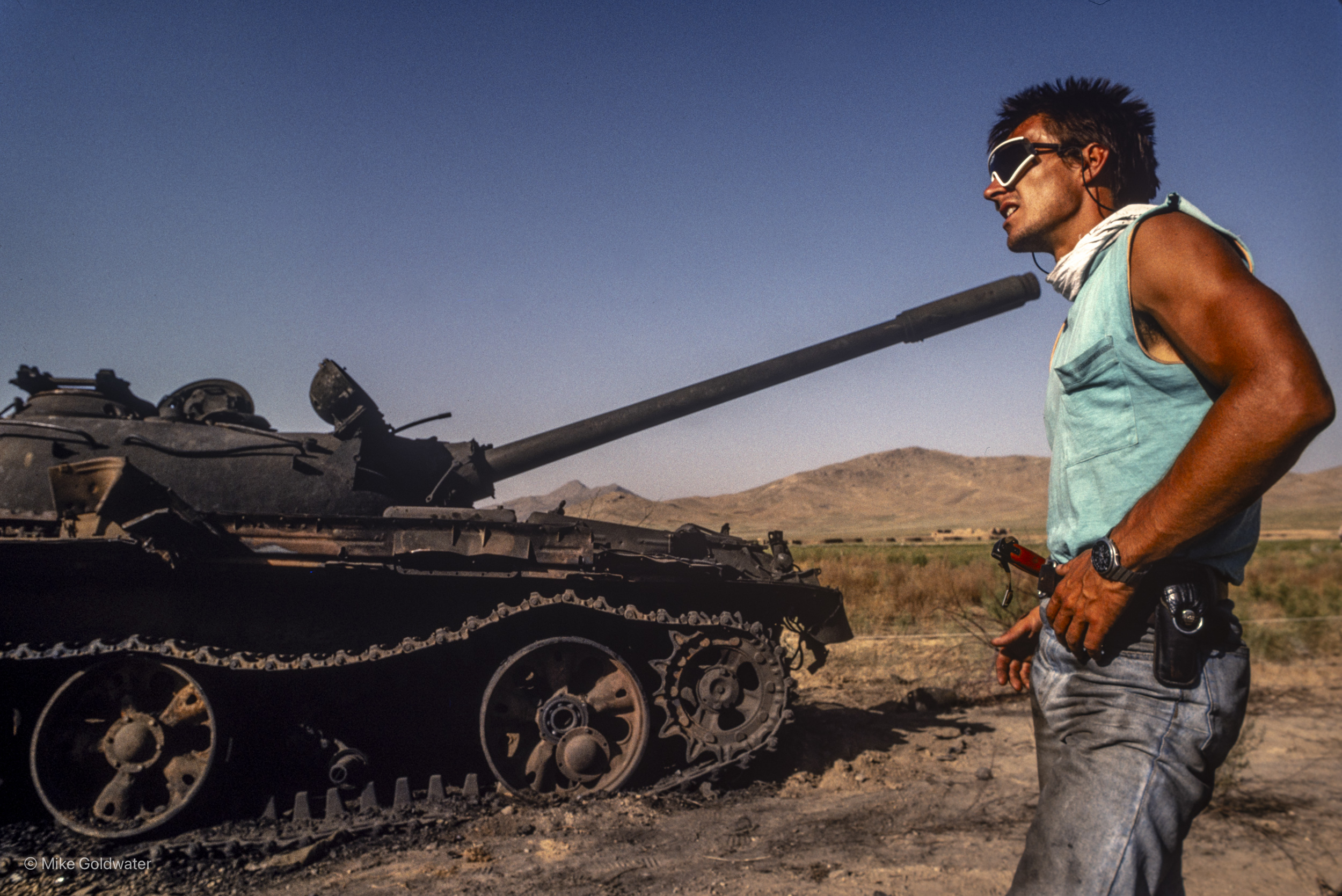
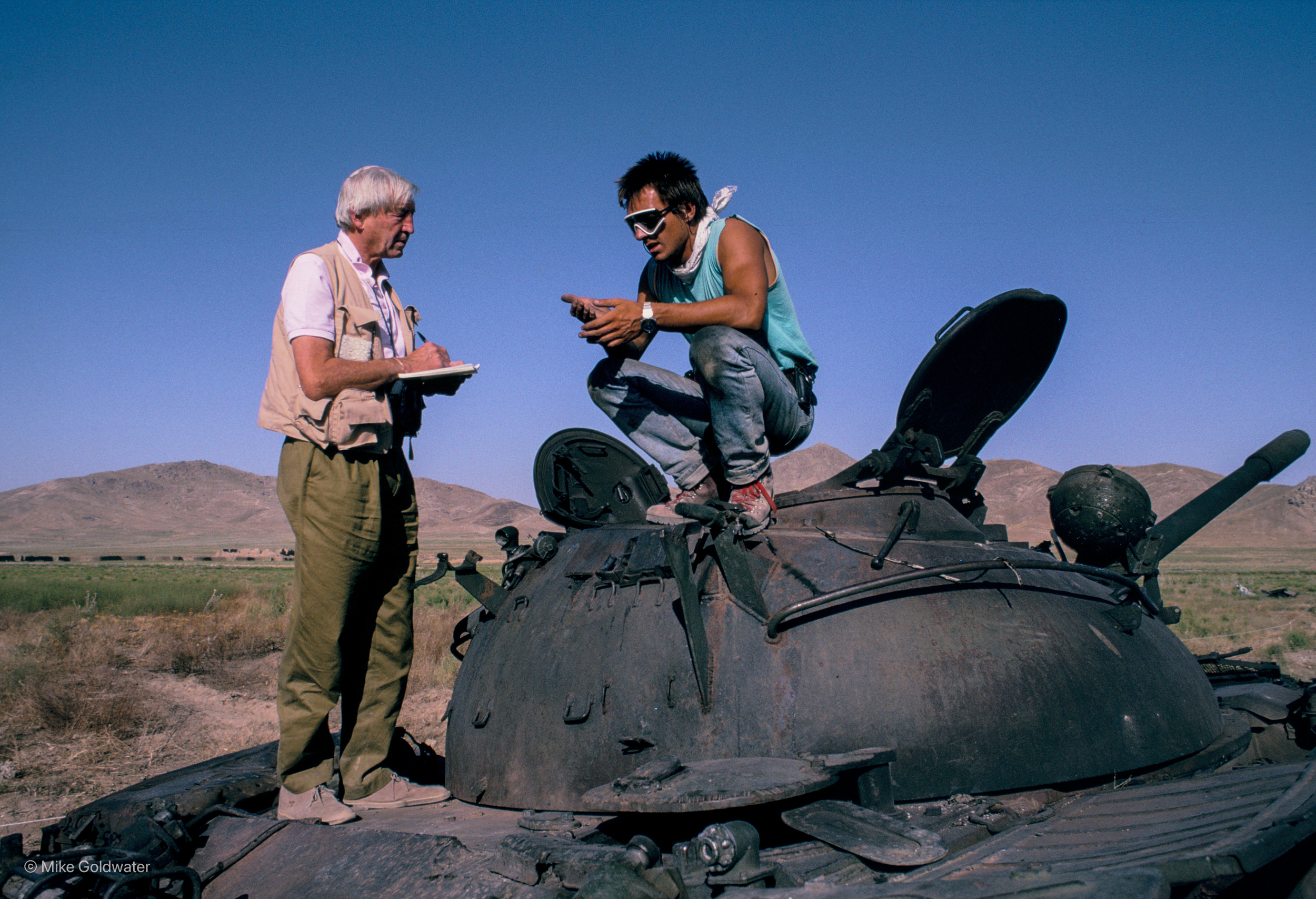
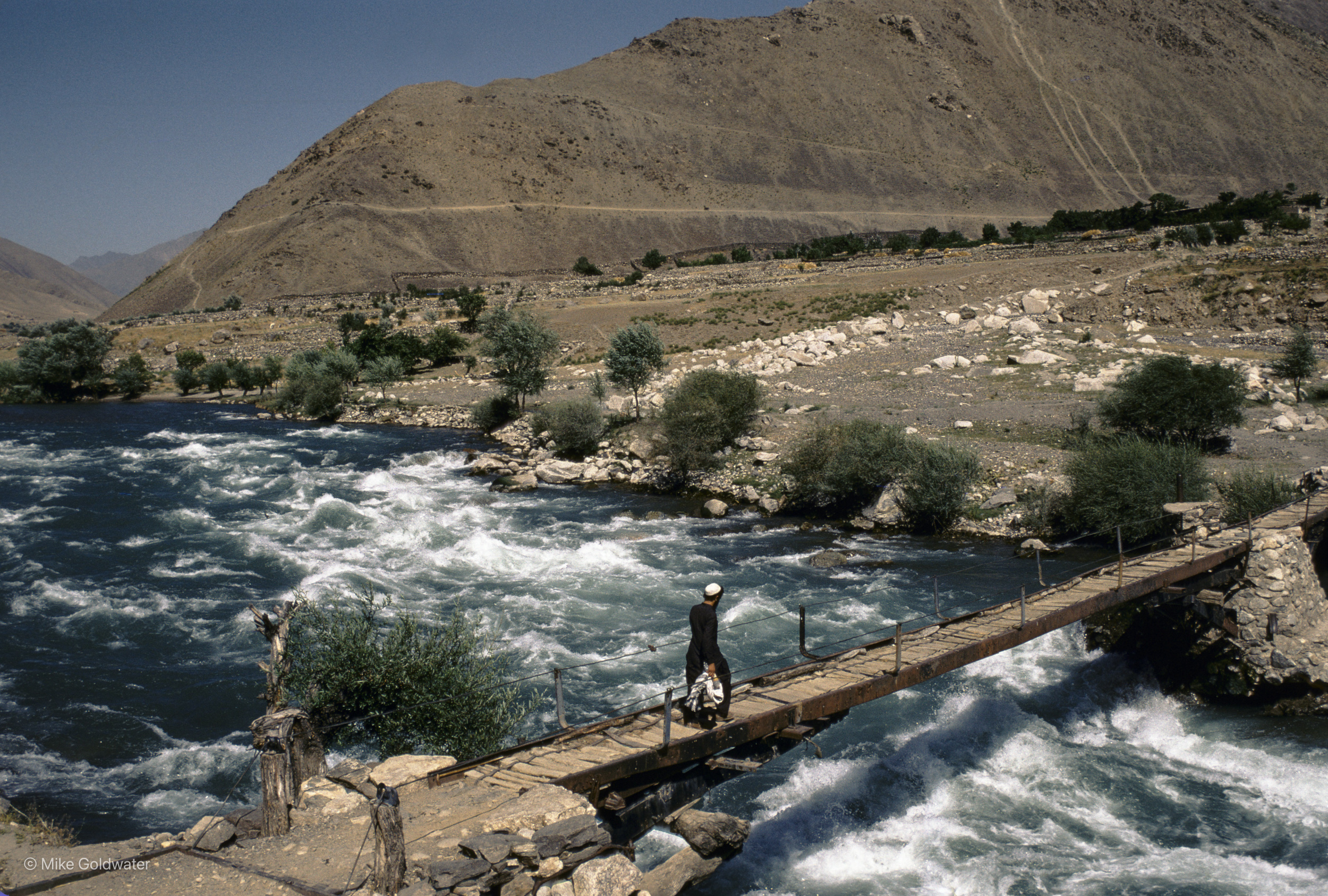
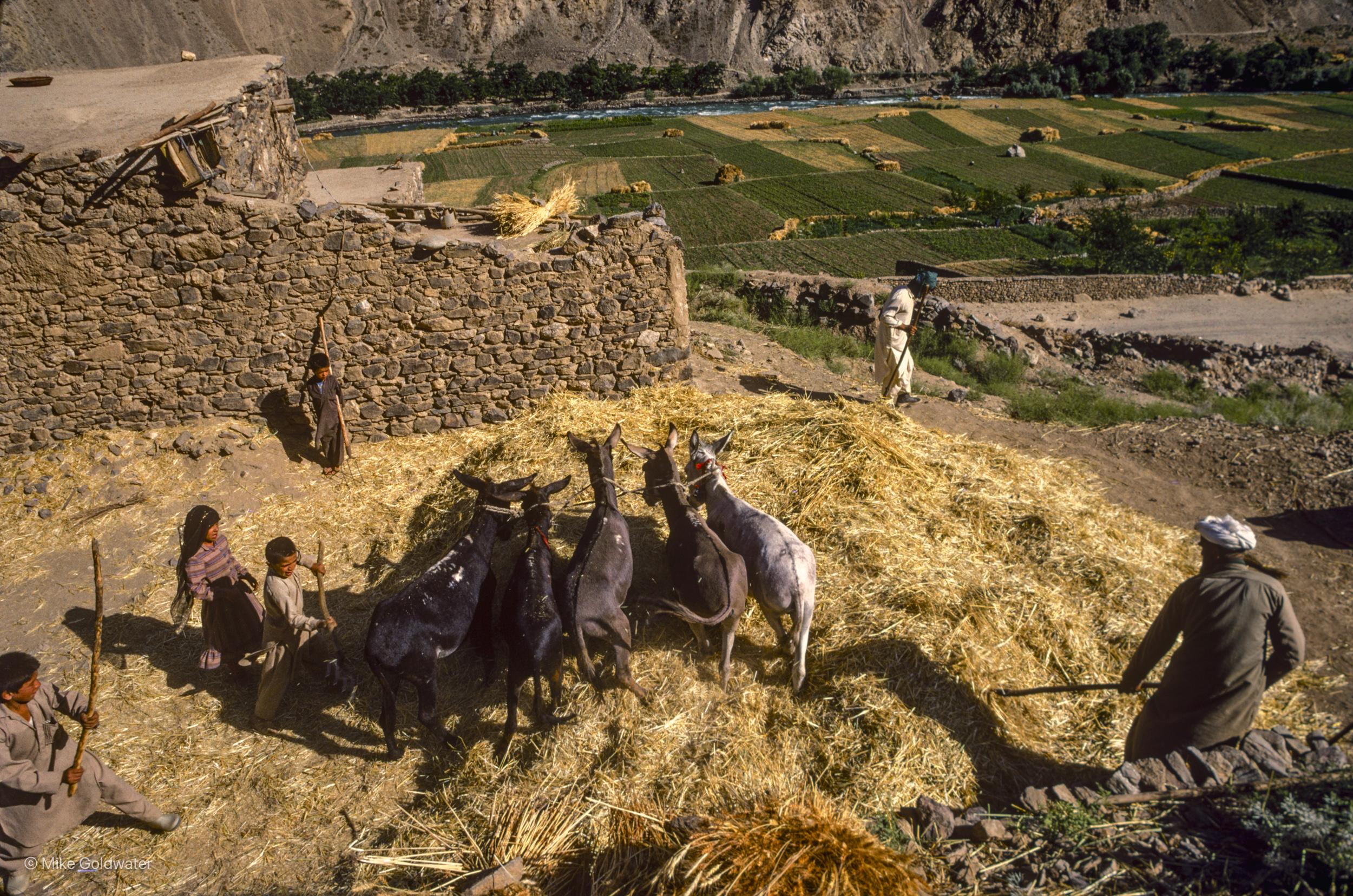
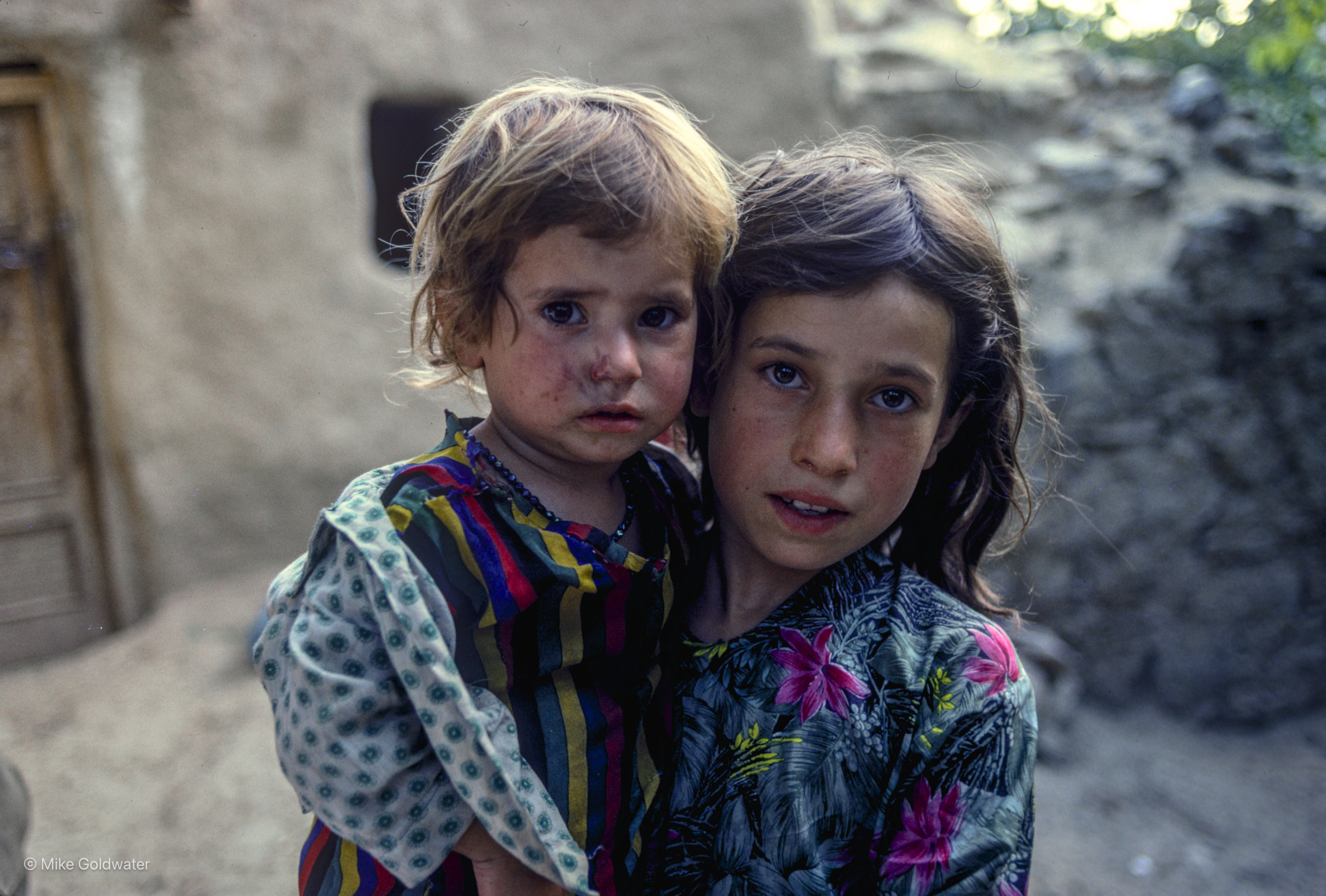
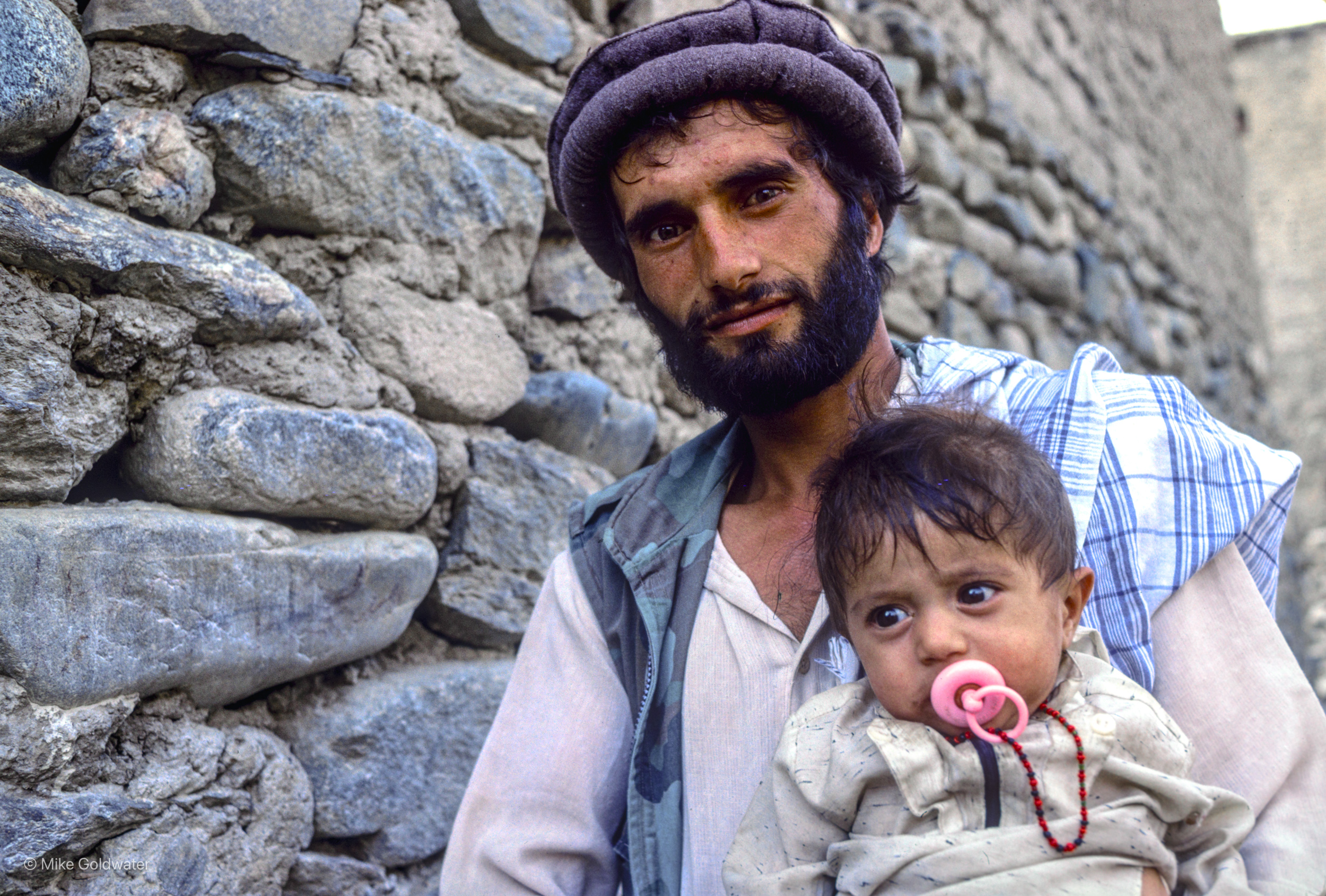
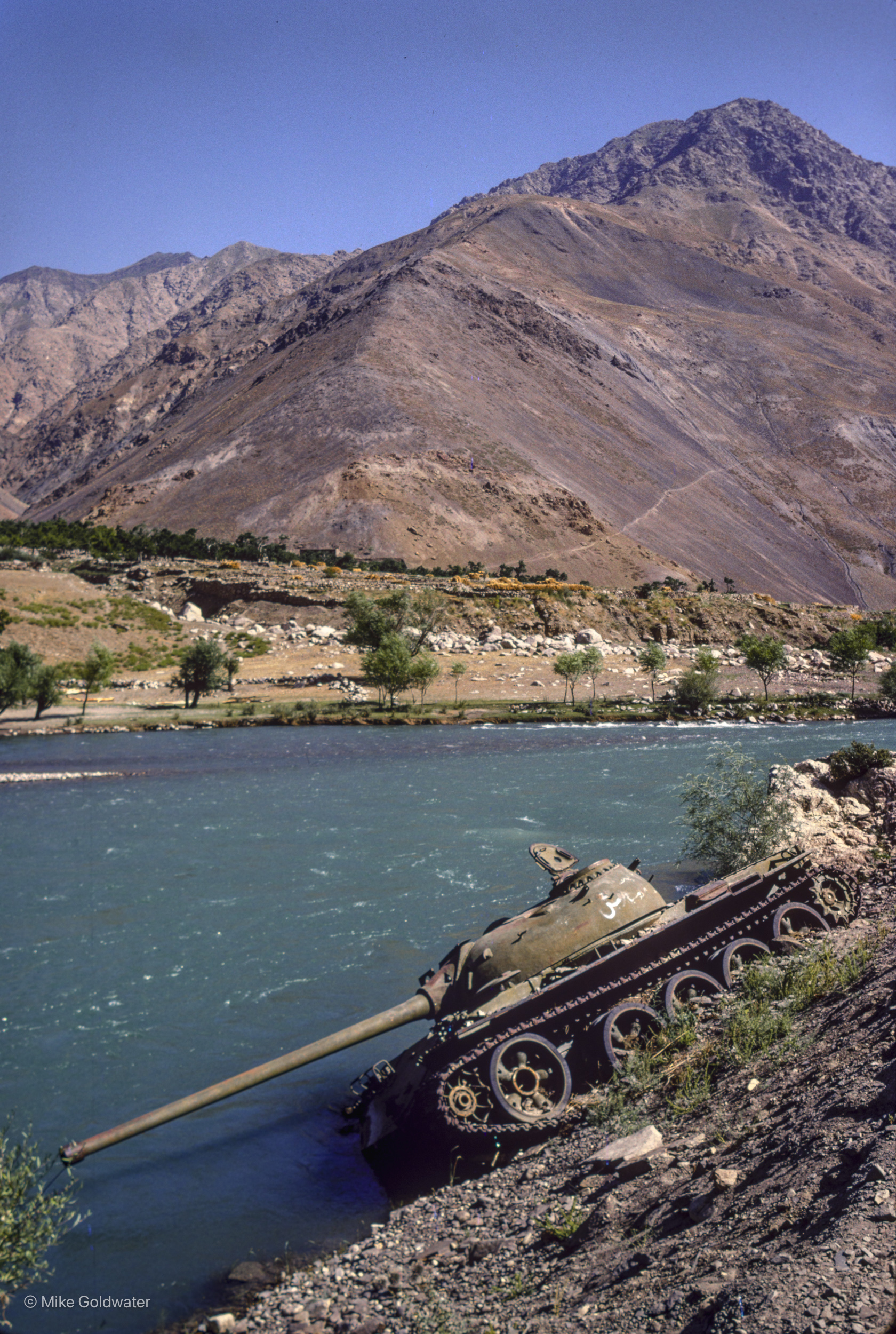
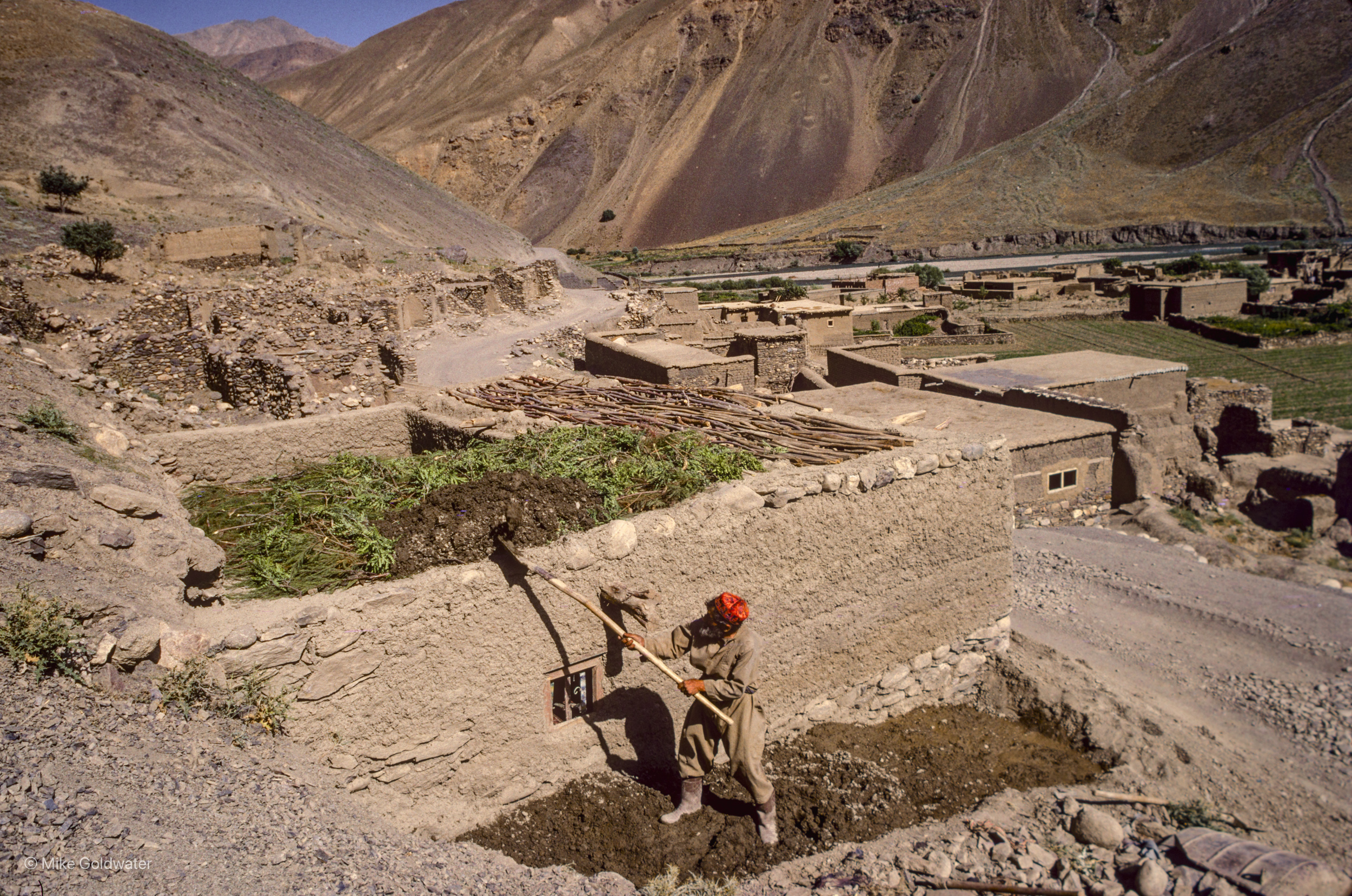
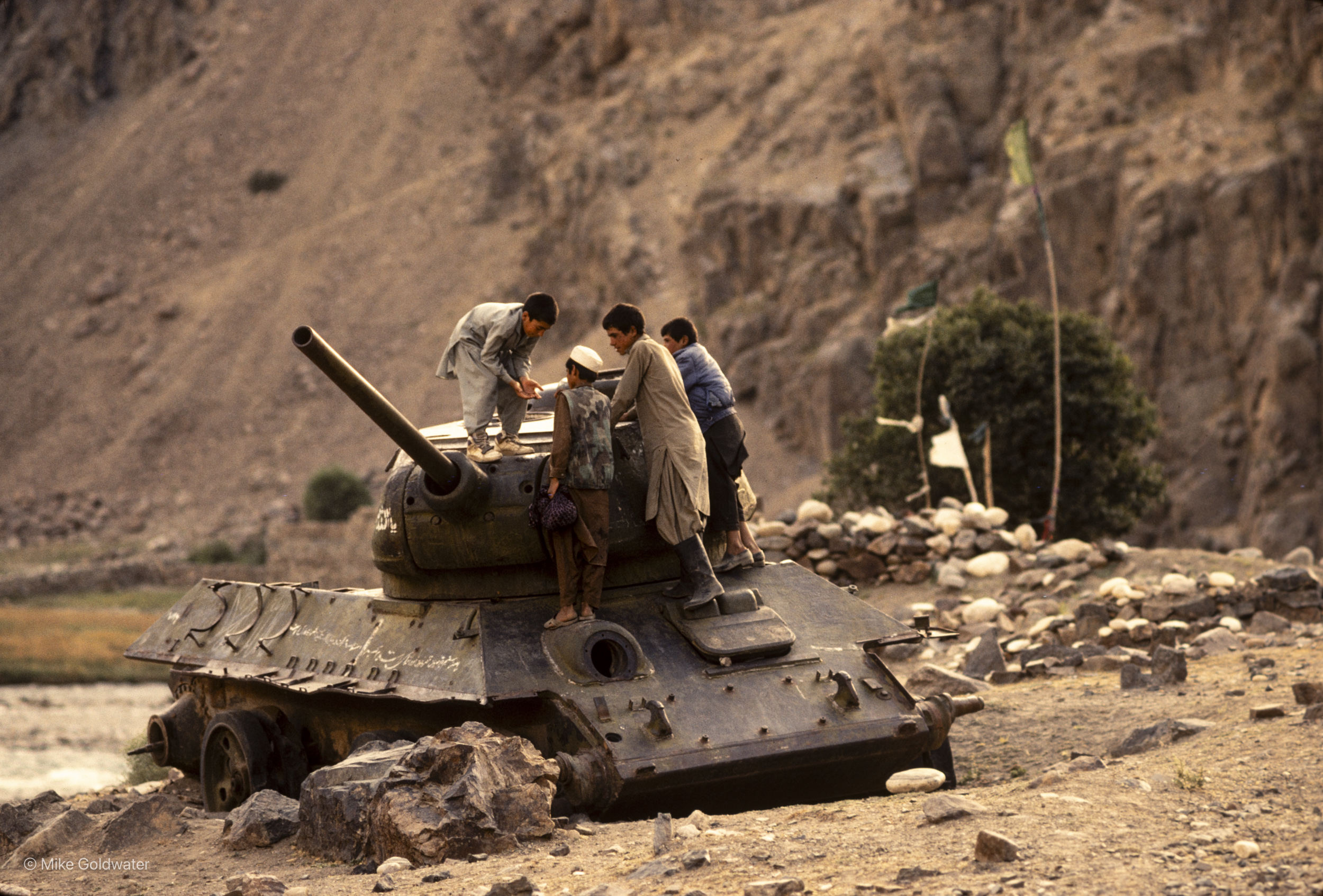
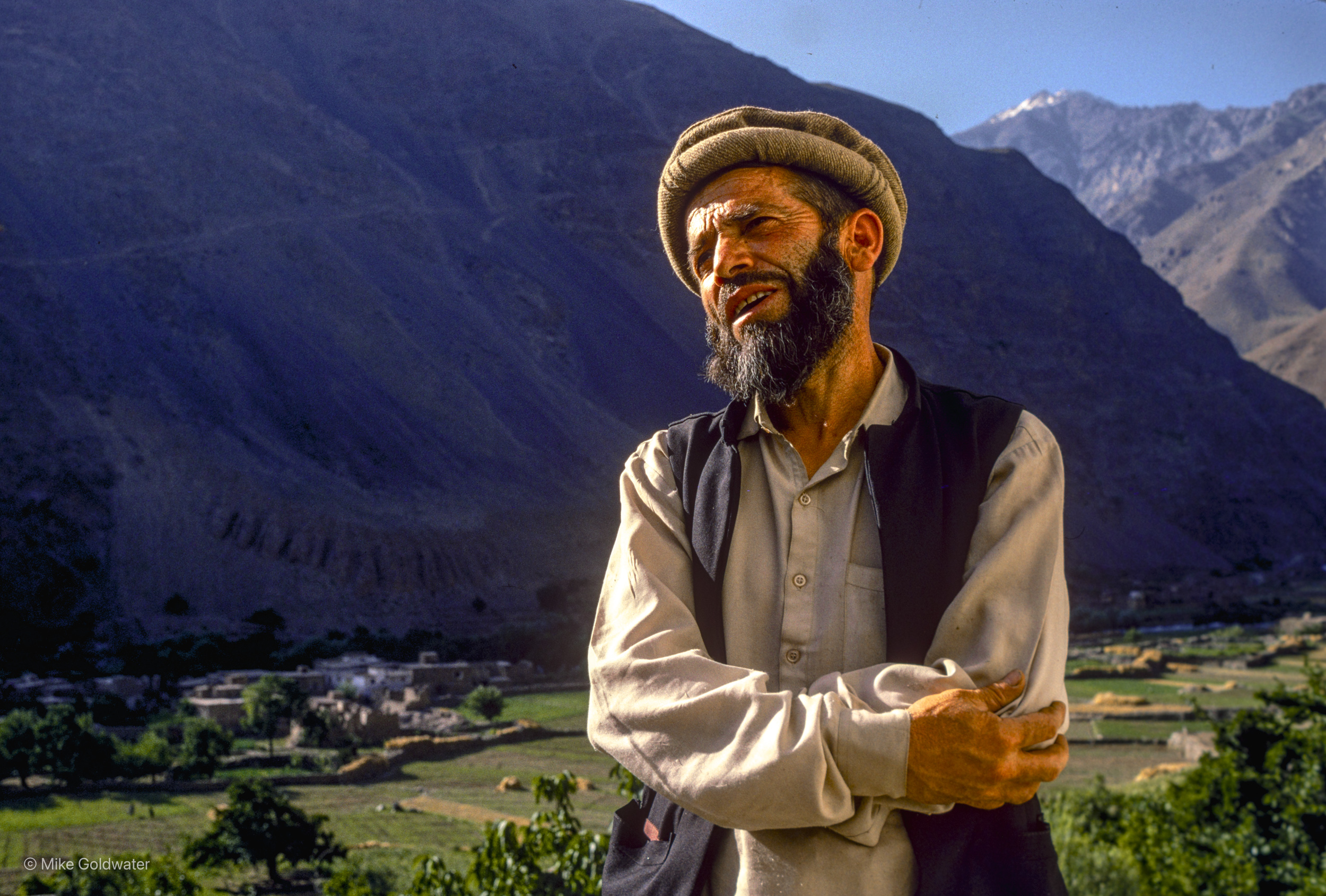
In August 1992 I went to Afghanistan for The Telegraph Magazine with the British veteran journalist and ITN reporter Sandy Gall.
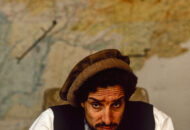
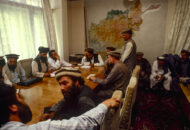
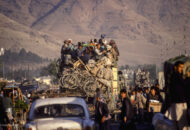
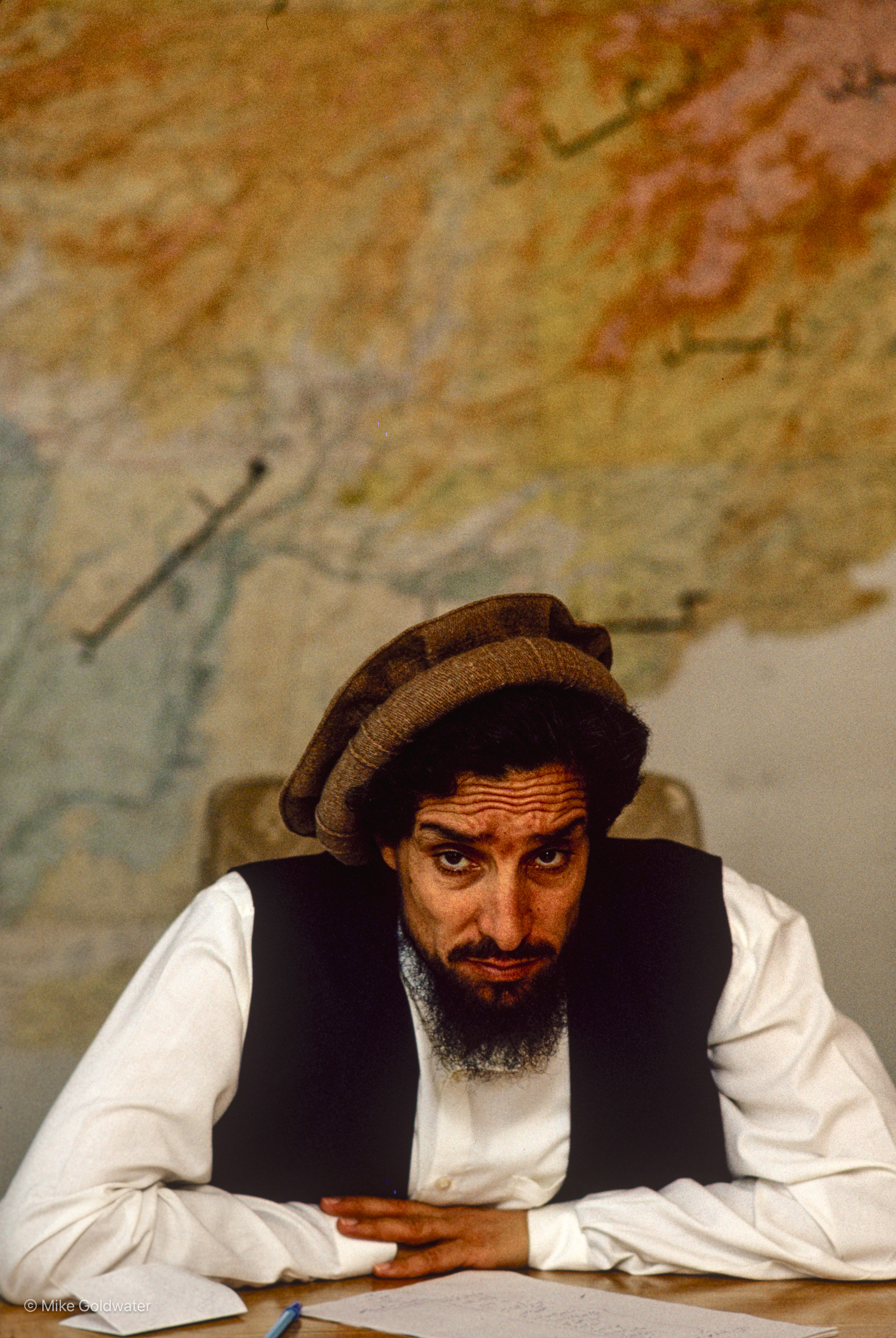
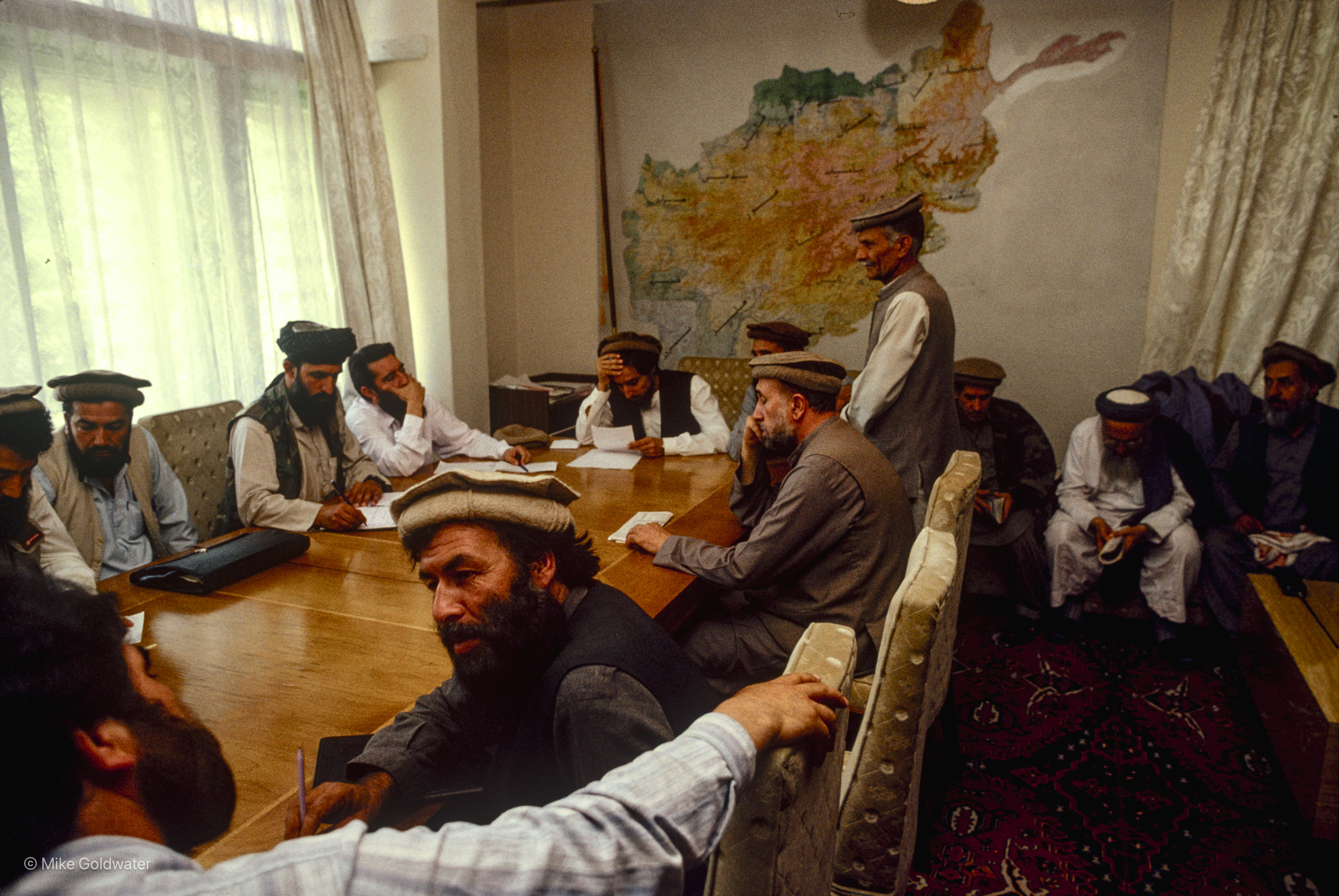
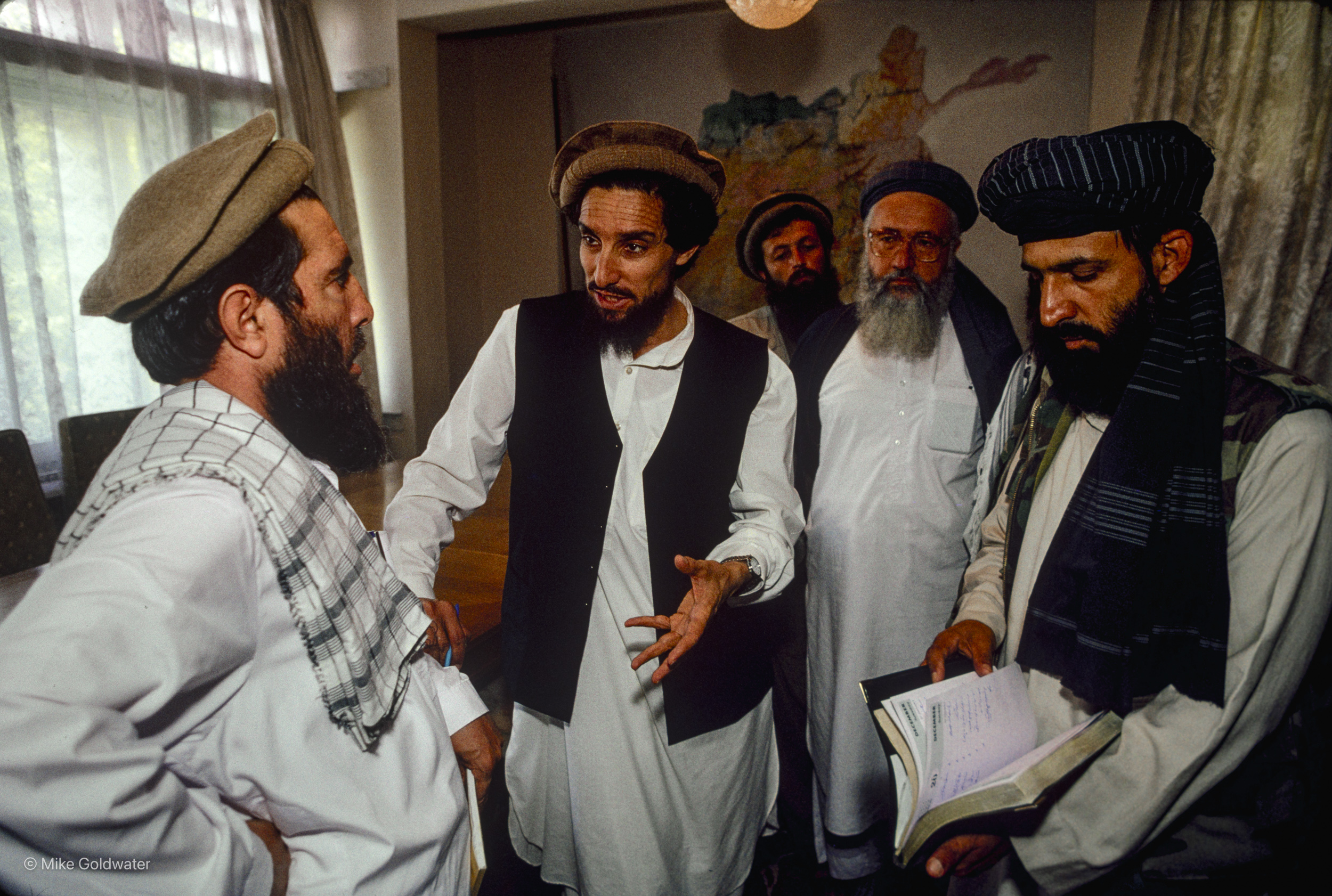
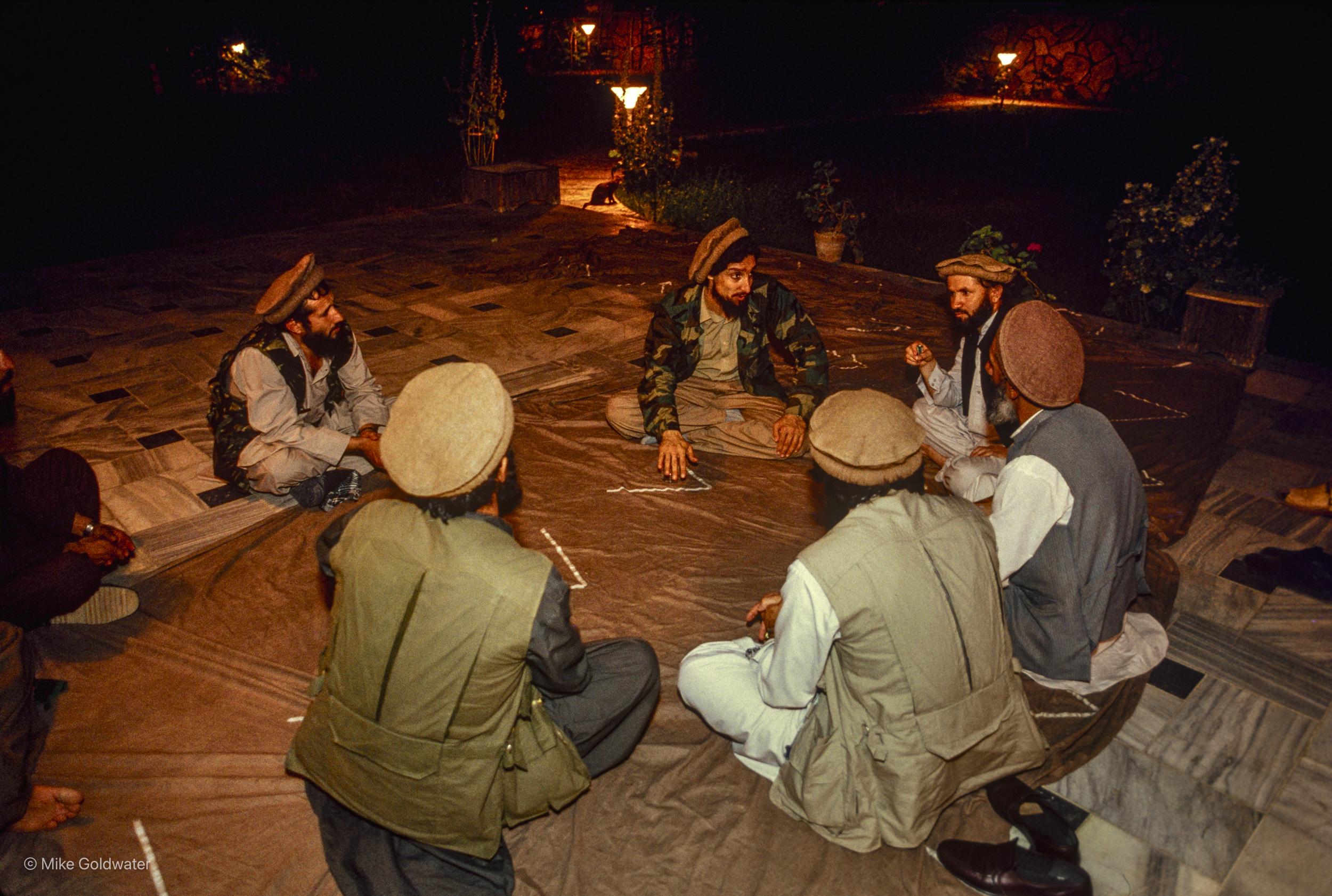
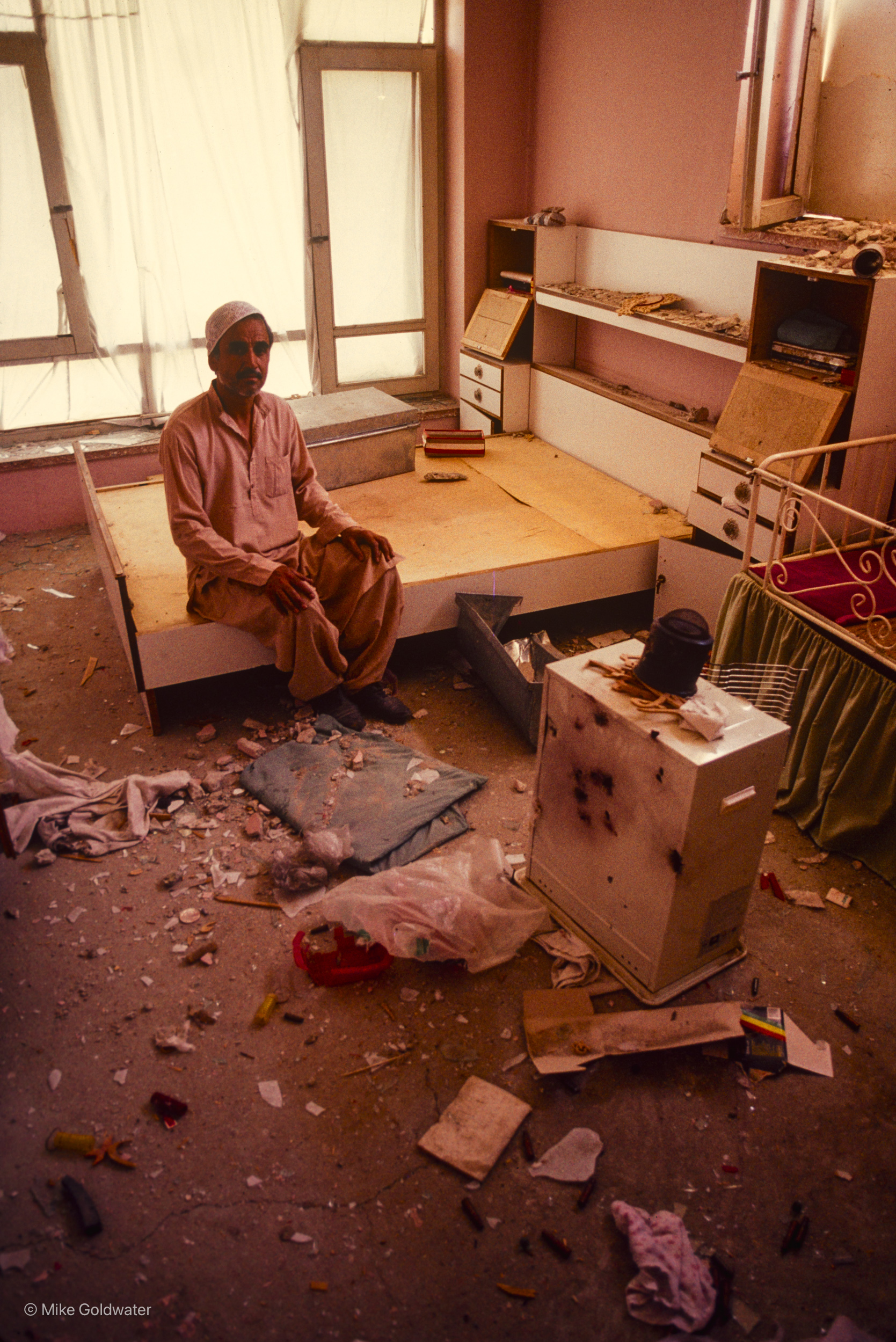
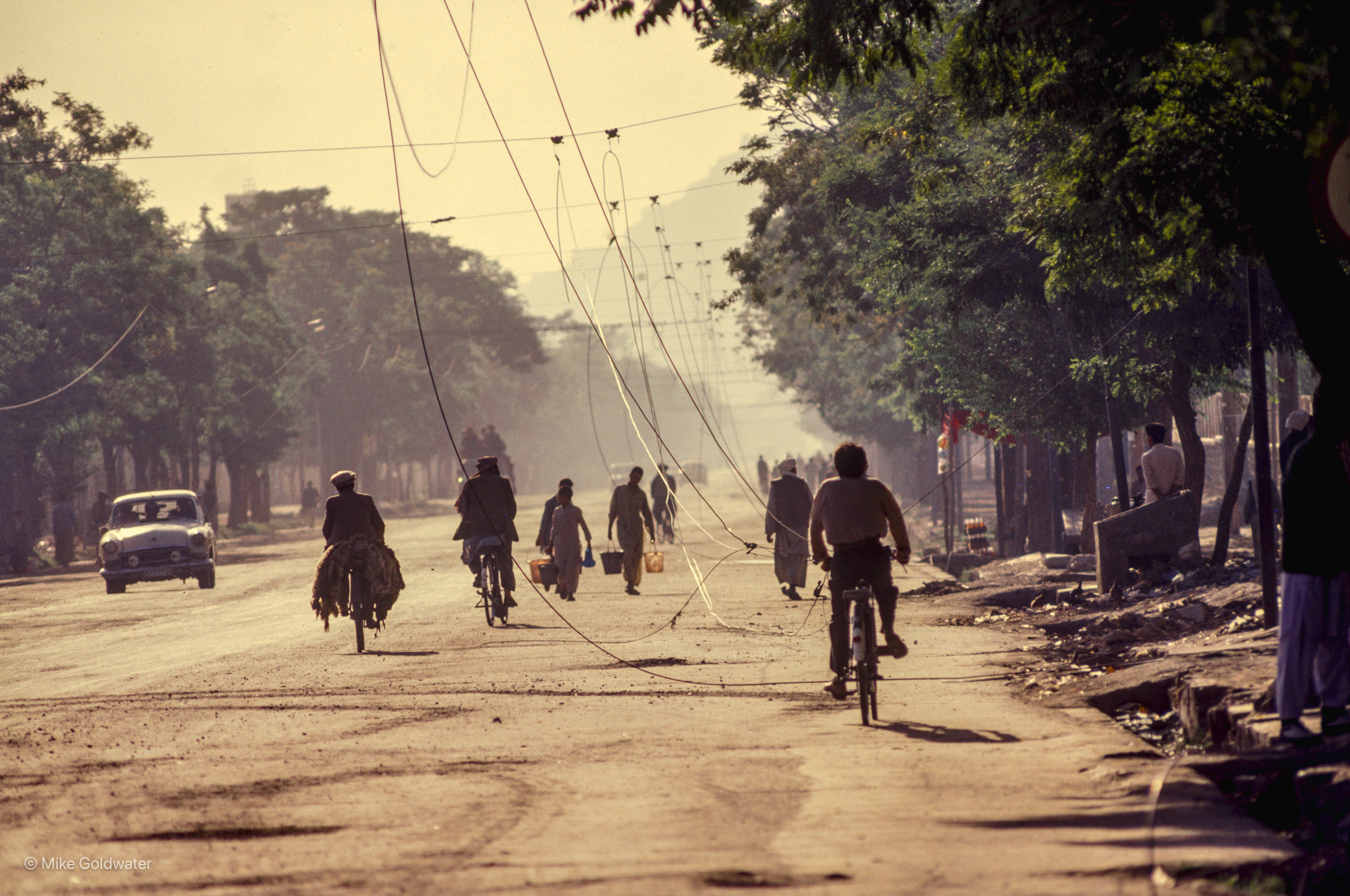
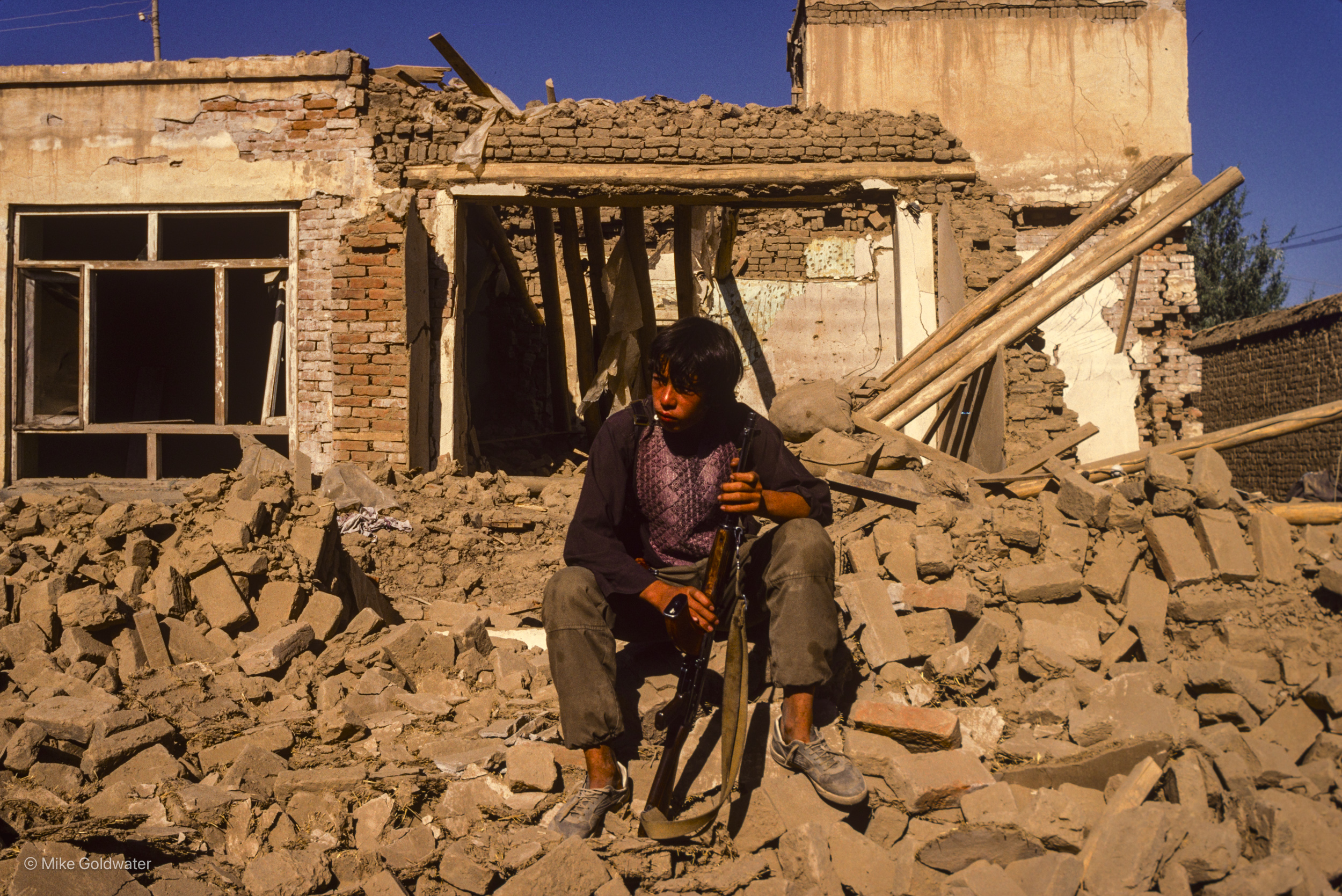
At this time Afghanistan stood at a historic crossroads. The Soviet-backed government had recently collapsed, and the victorious mujahideen had entered Kabul amid widespread hopes that more than a decade of war had finally ended. Burhanuddin Rabbani had become President, Ahmad Shah Massoud, who led the guerrilla faction Jamiat-e Islami, was now Defence Minister, and hundreds of thousands of refugees were returning from Pakistan.
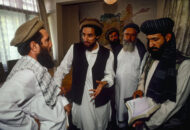
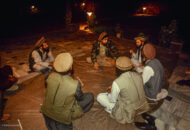
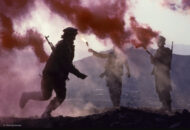
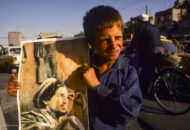
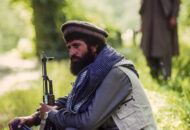
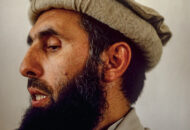
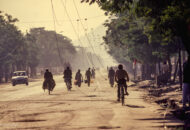
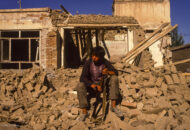
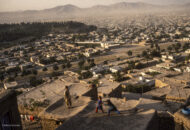
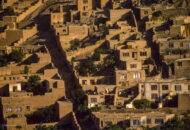
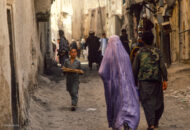
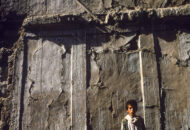
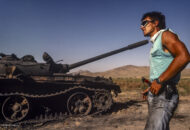
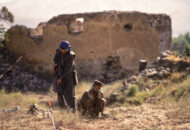
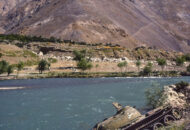
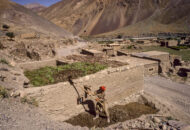
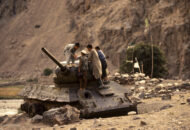
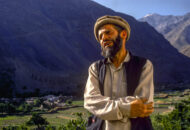
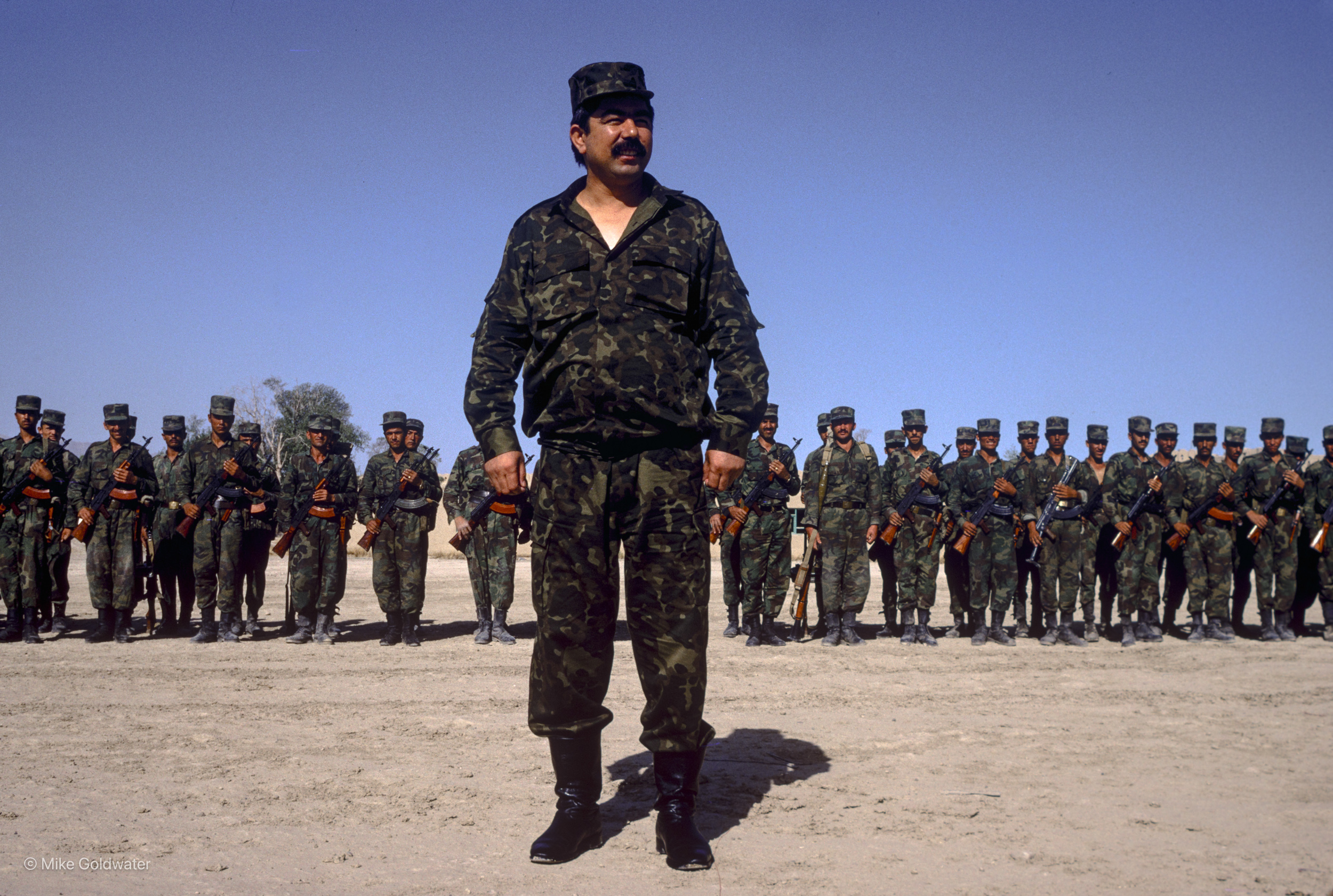
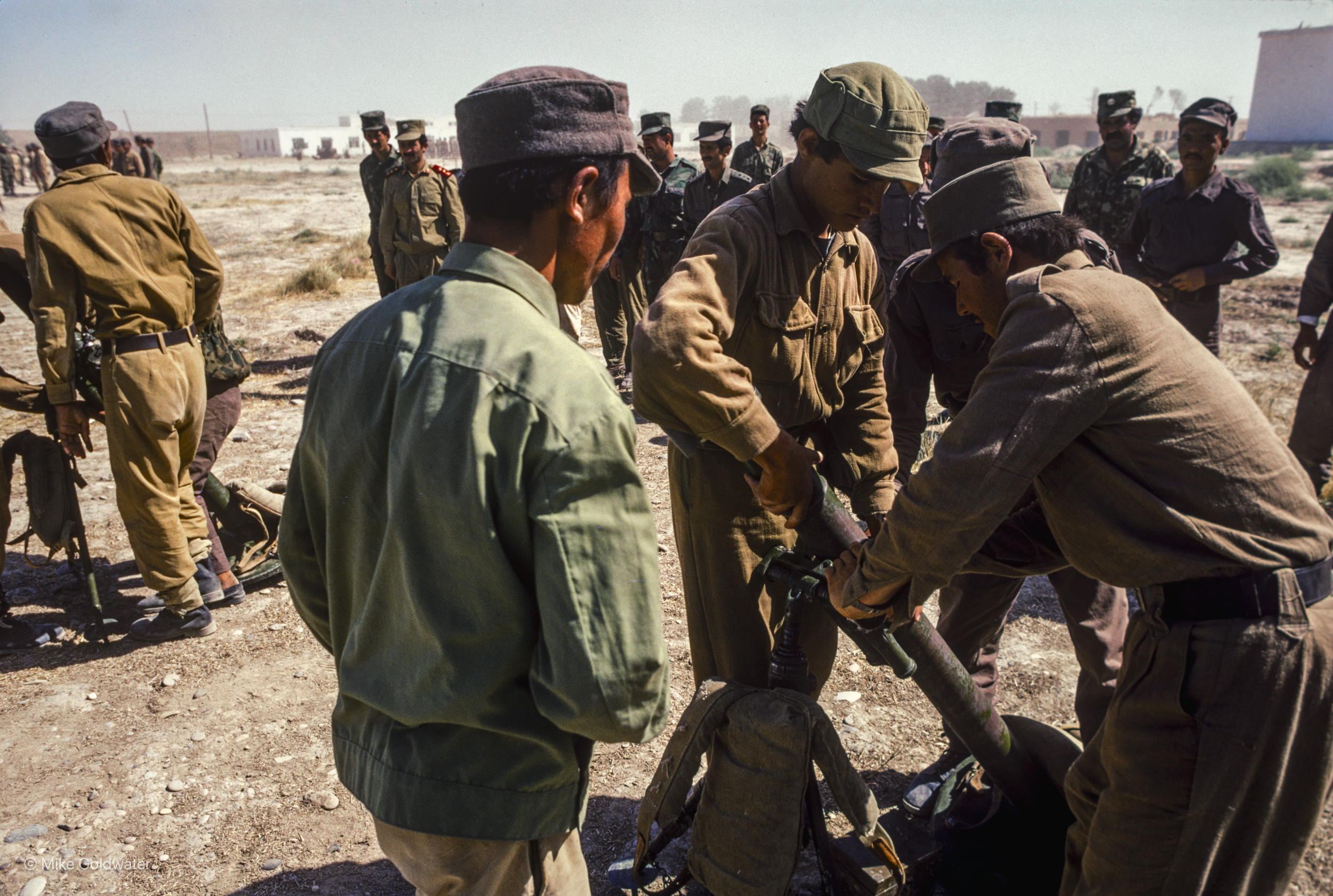
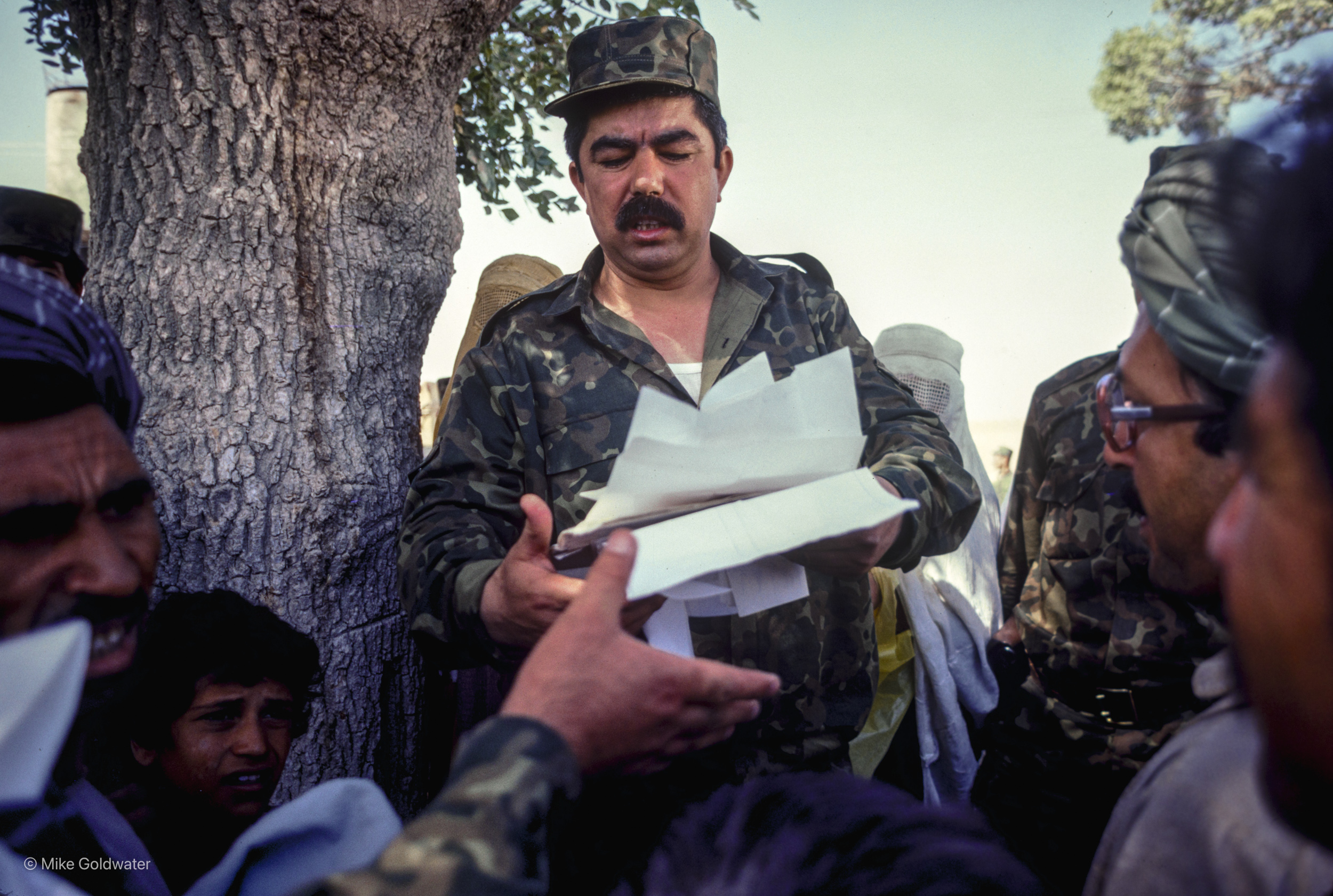
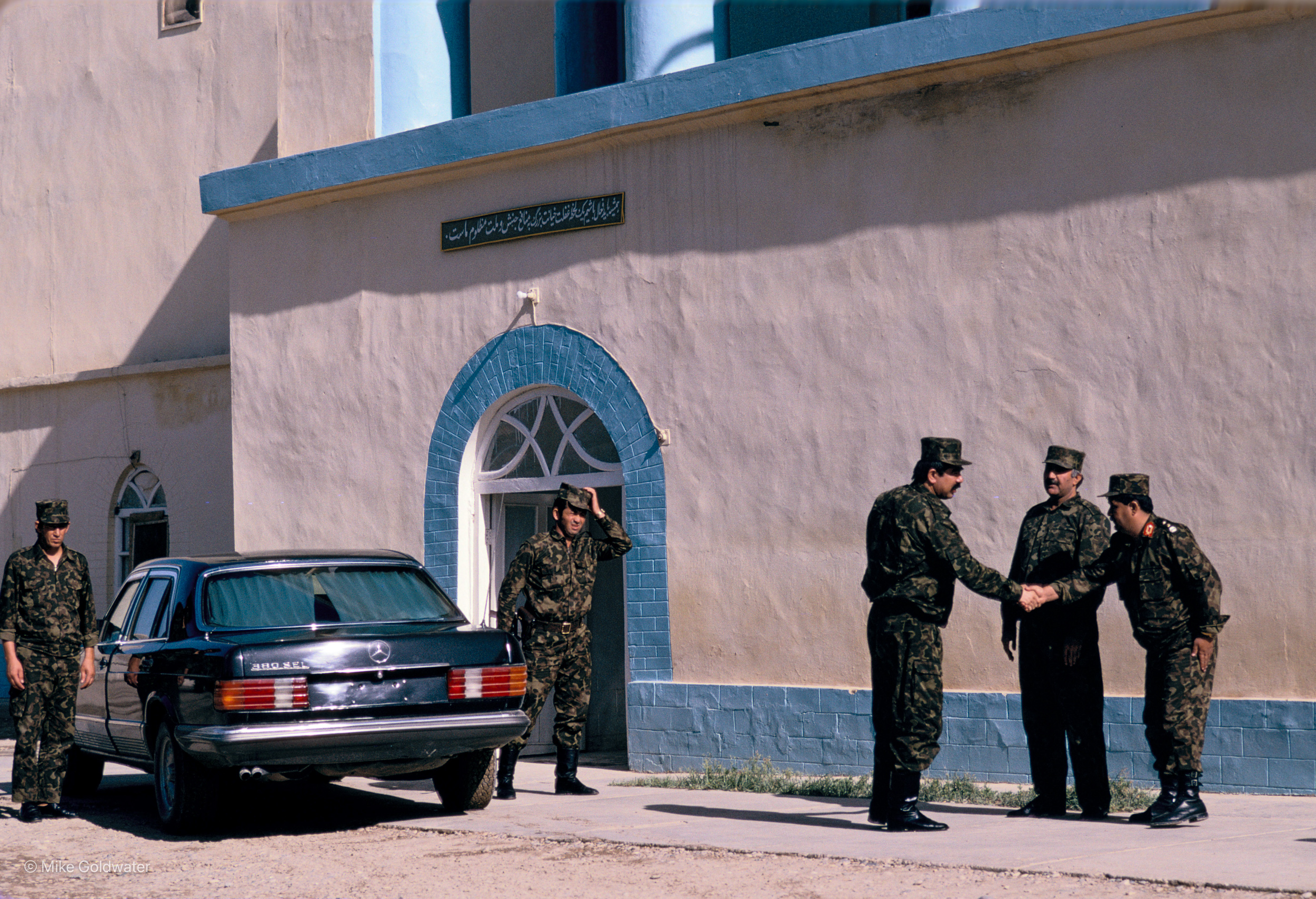
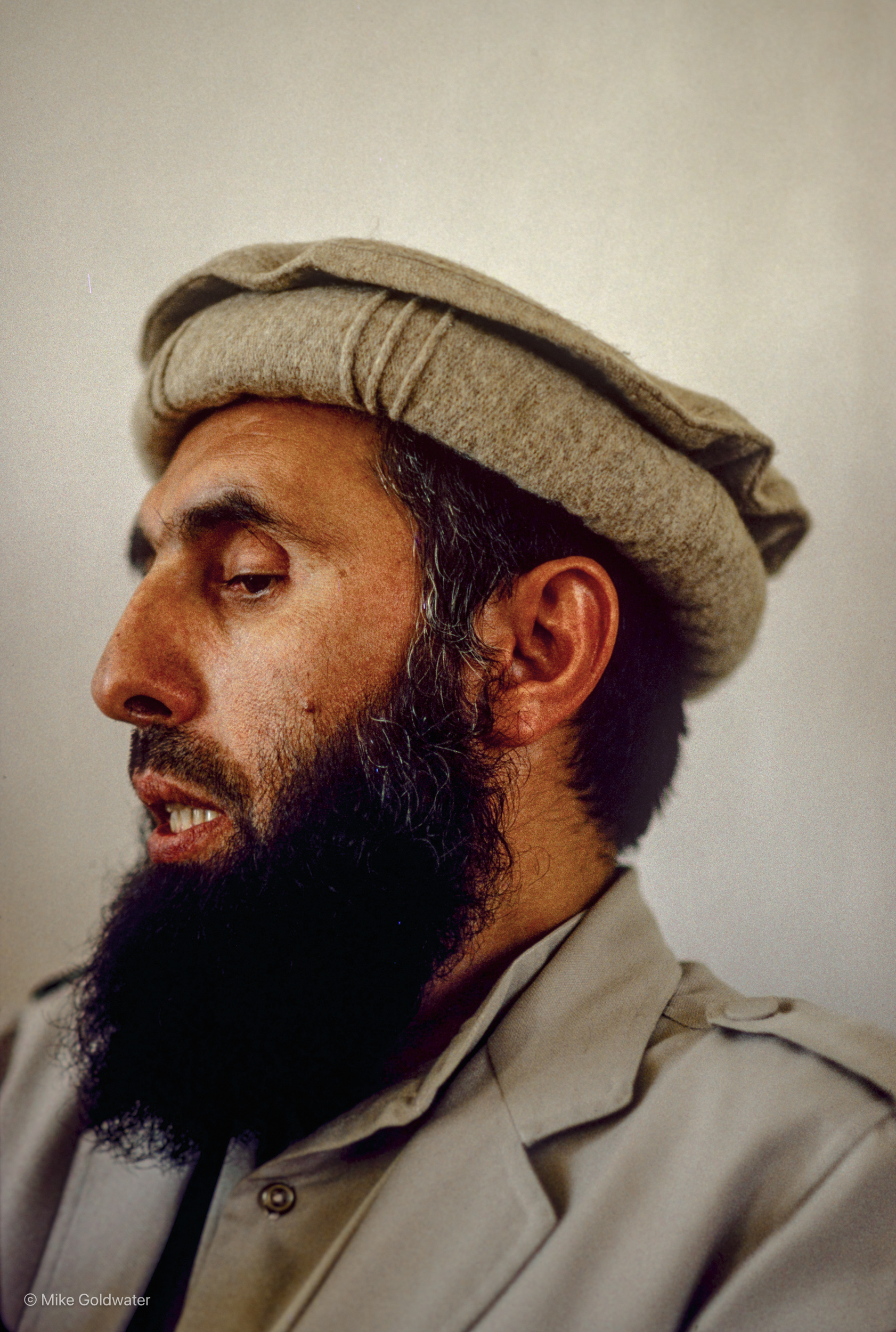
We spent time with Massoud in Kabul, went to his home territory in the Panjshir Valley and visited General Rashid Dostum at his base in Mazar-i-Sharif. It was Dostum’s defection from the government to join with Massoud to form the Northern Alliance in April 1992 that brought down Najibullah’s regime. Yet beneath the optimism, rival factions were already competing for power. Gulbuddin Hekmatyar, Pushtan leader of the guerrilla faction Hezb-e Islami Gulbuddin, backed heavily by Pakistan during the anti-Soviet war, had failed to seize power, beaten to the capital by the Northern Alliance. In early August 1992 Hekmatyar began shelling the capital from positions south of Kabul, earning the nickname The Butcher of Kabul, and signalling the beginning of a devastating civil war. These photographs record Afghanistan during that brief, fragile moment between victory and renewed conflict.
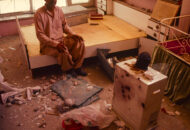
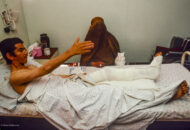
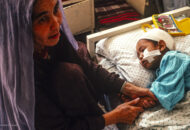
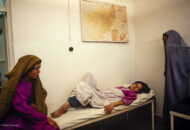
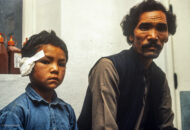
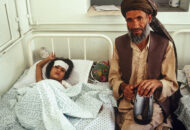
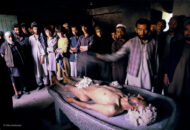
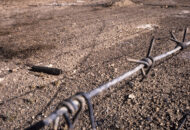
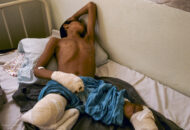
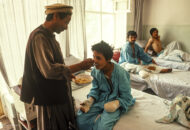
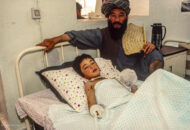
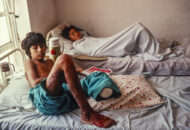
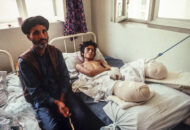
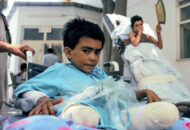
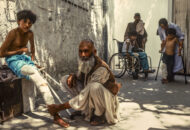
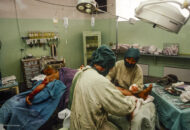
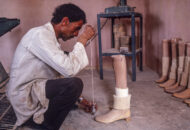
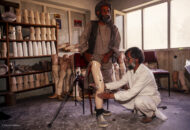
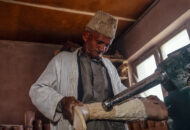
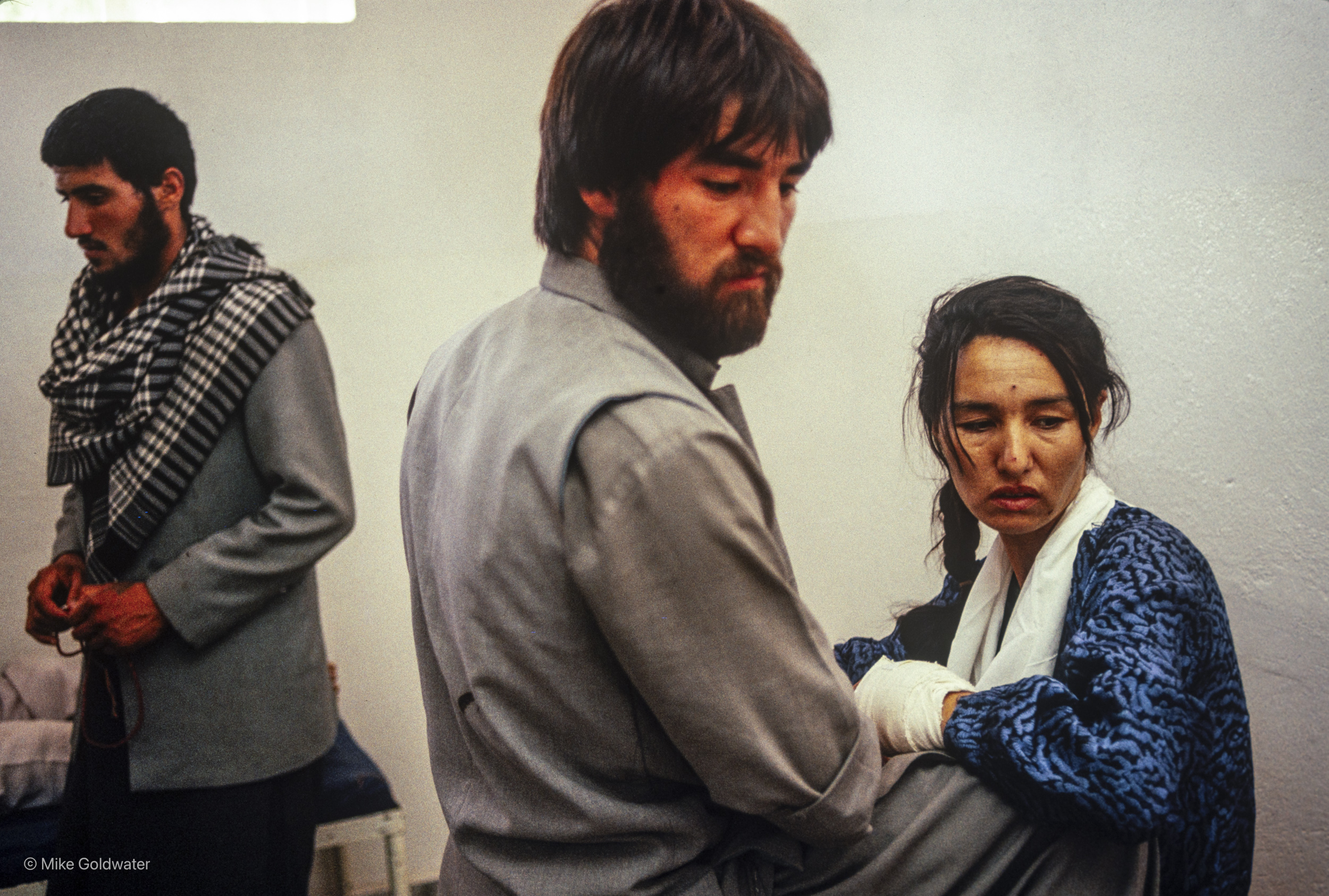
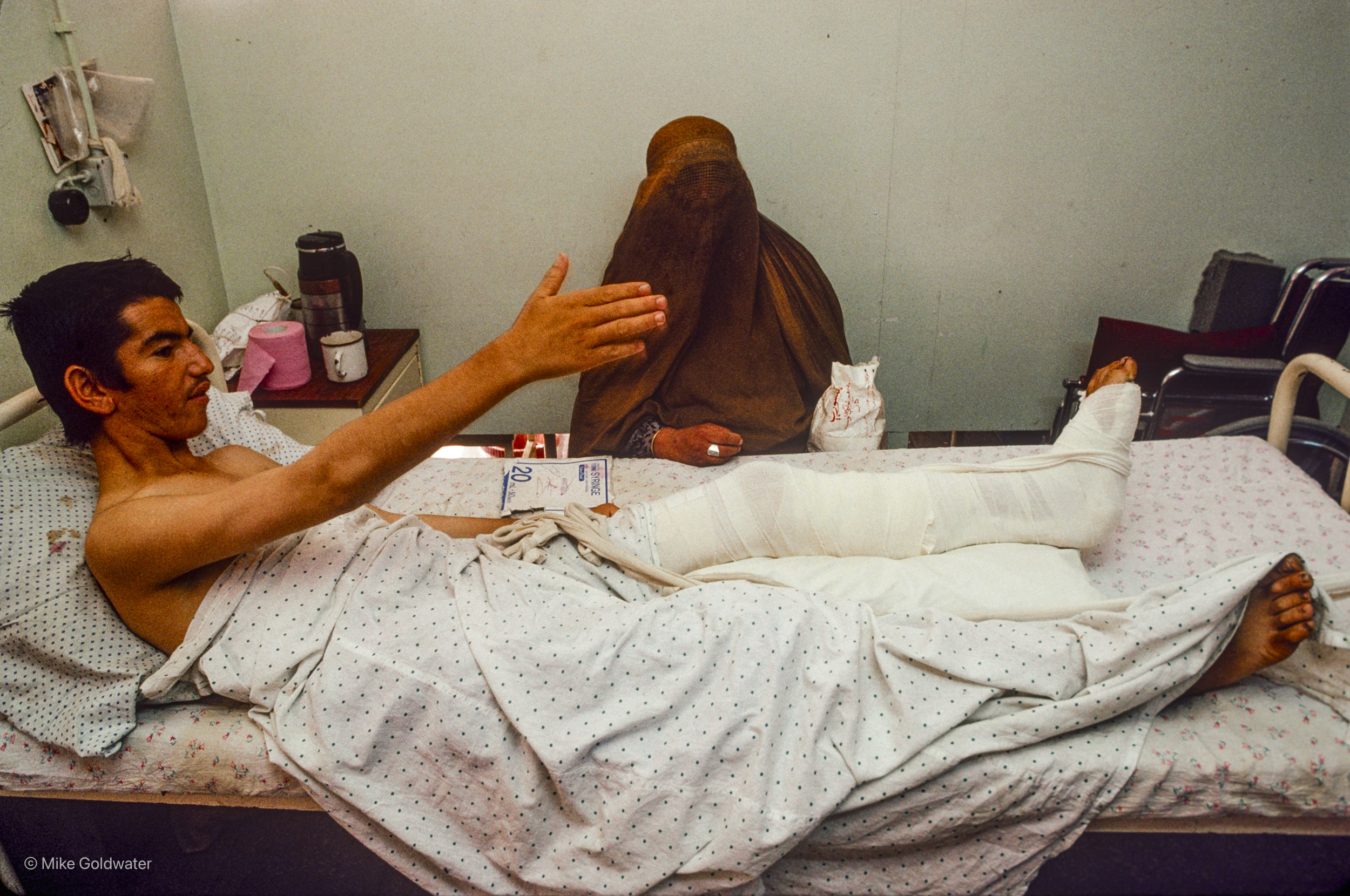
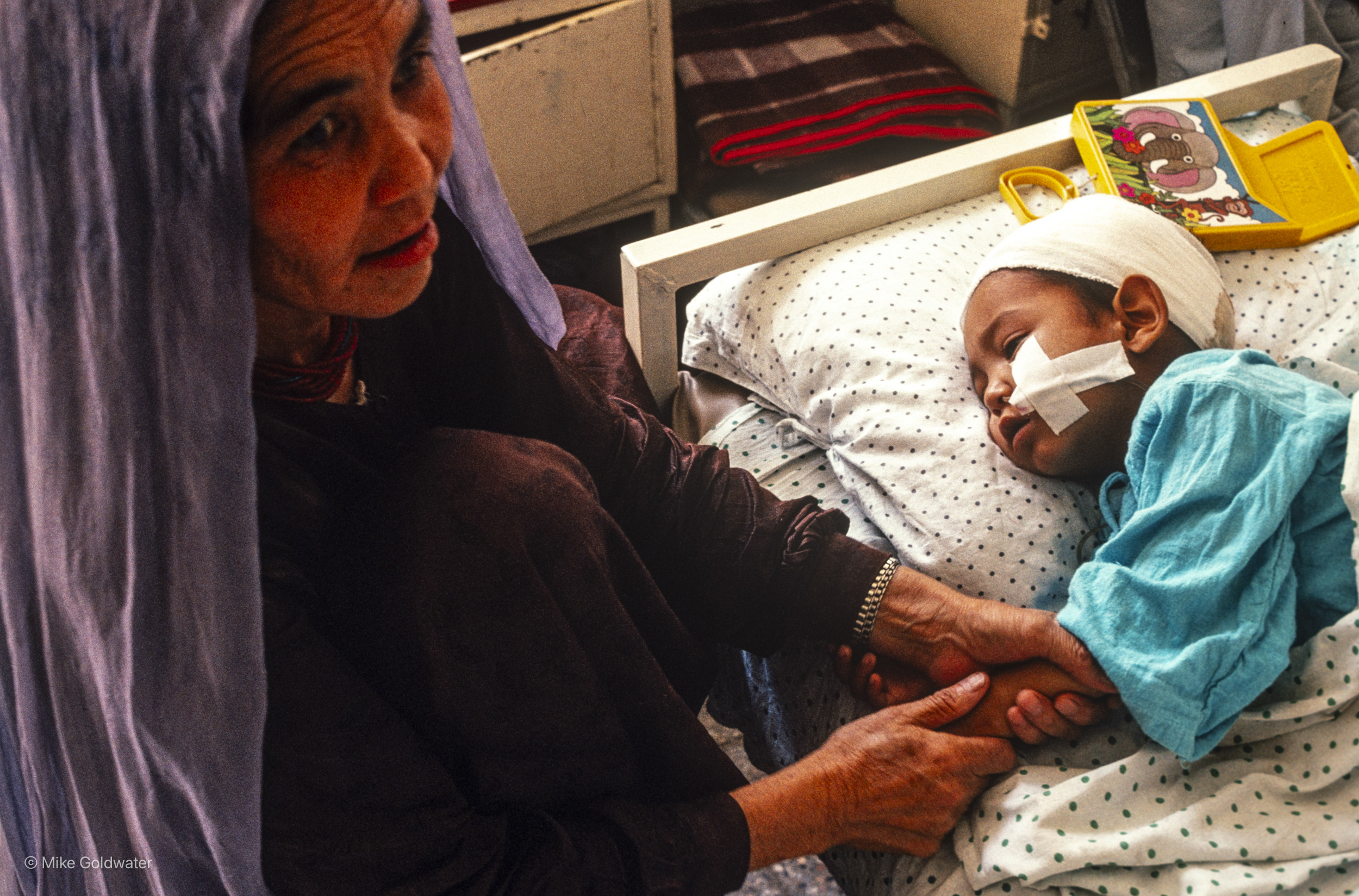
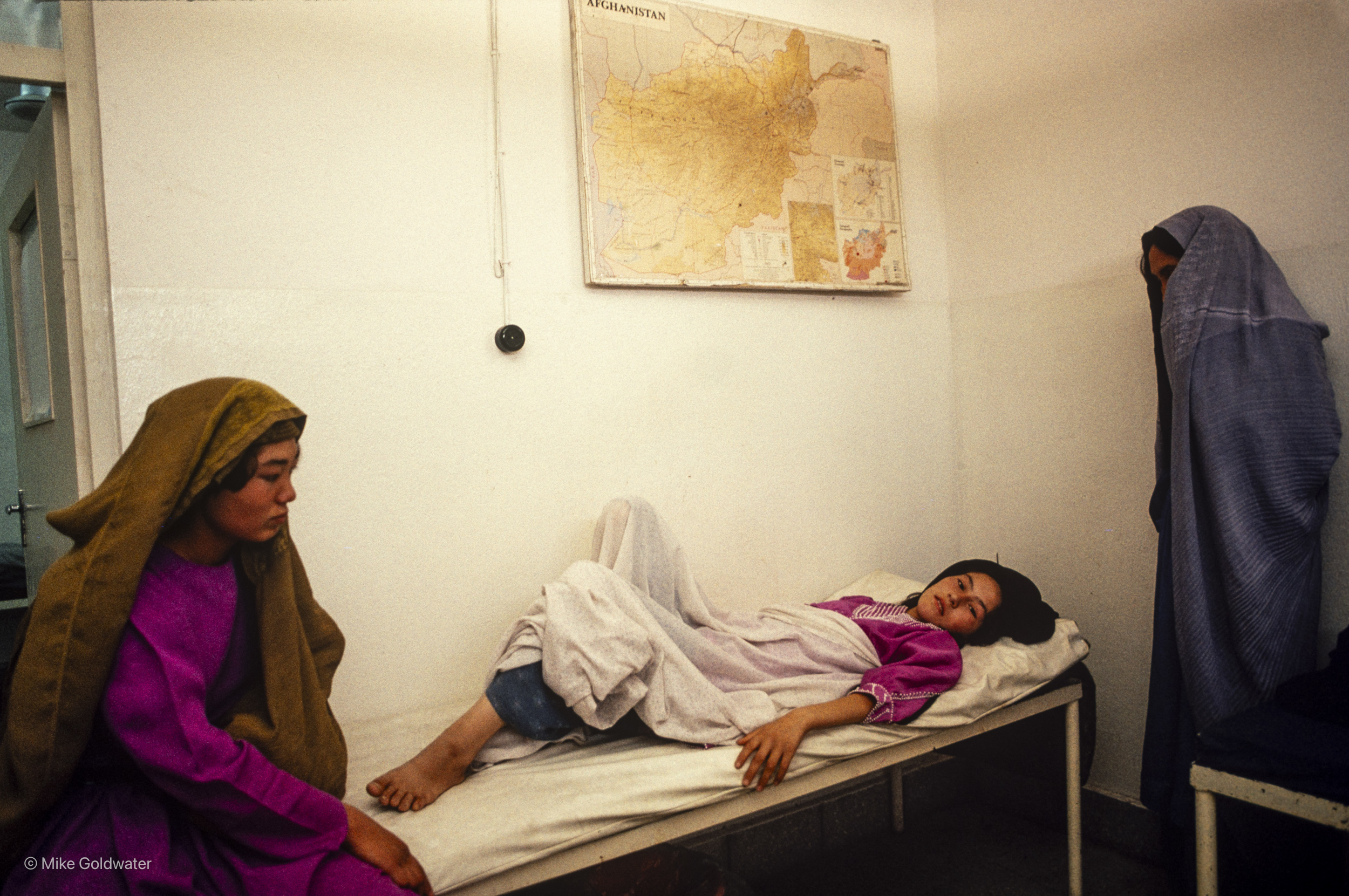
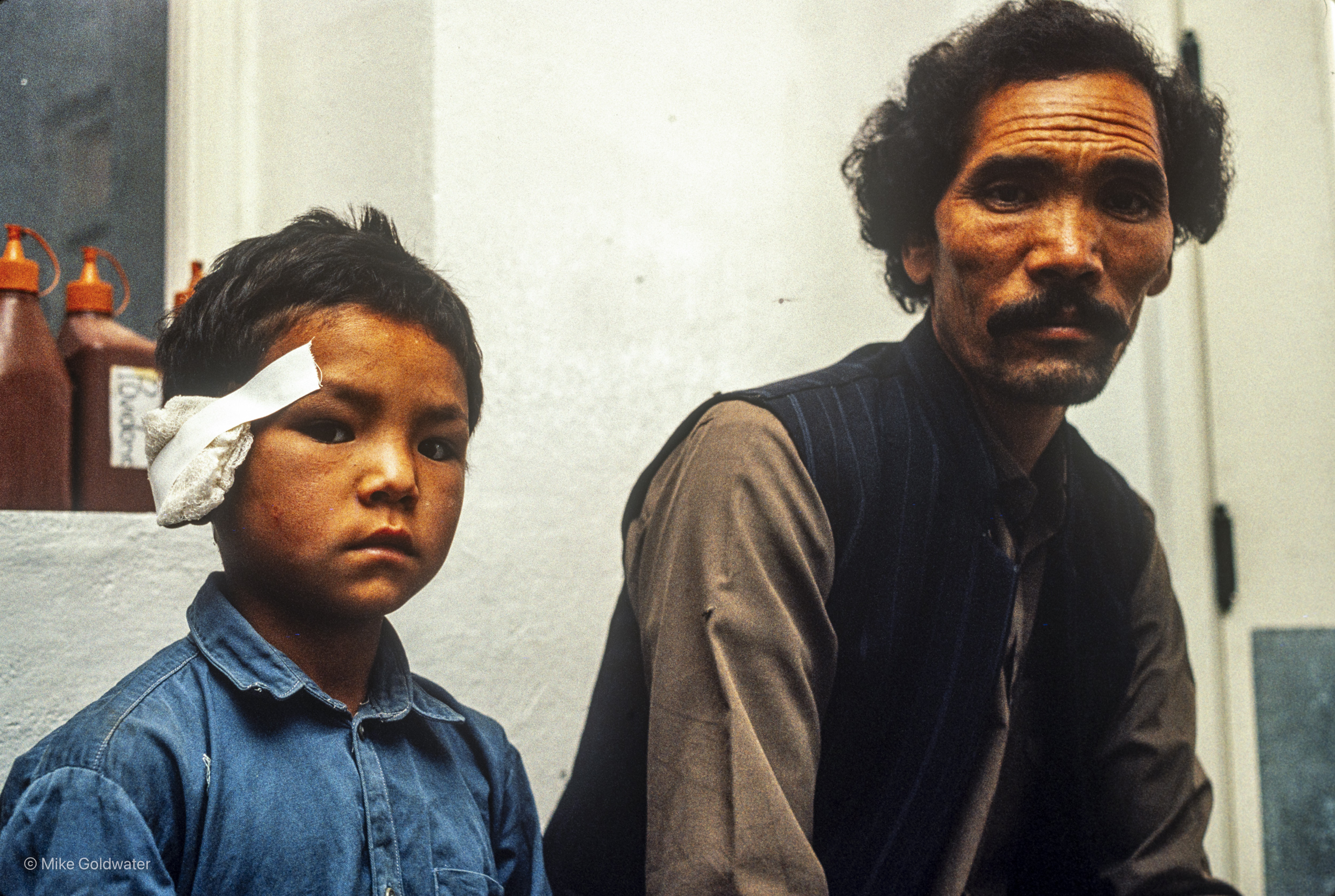
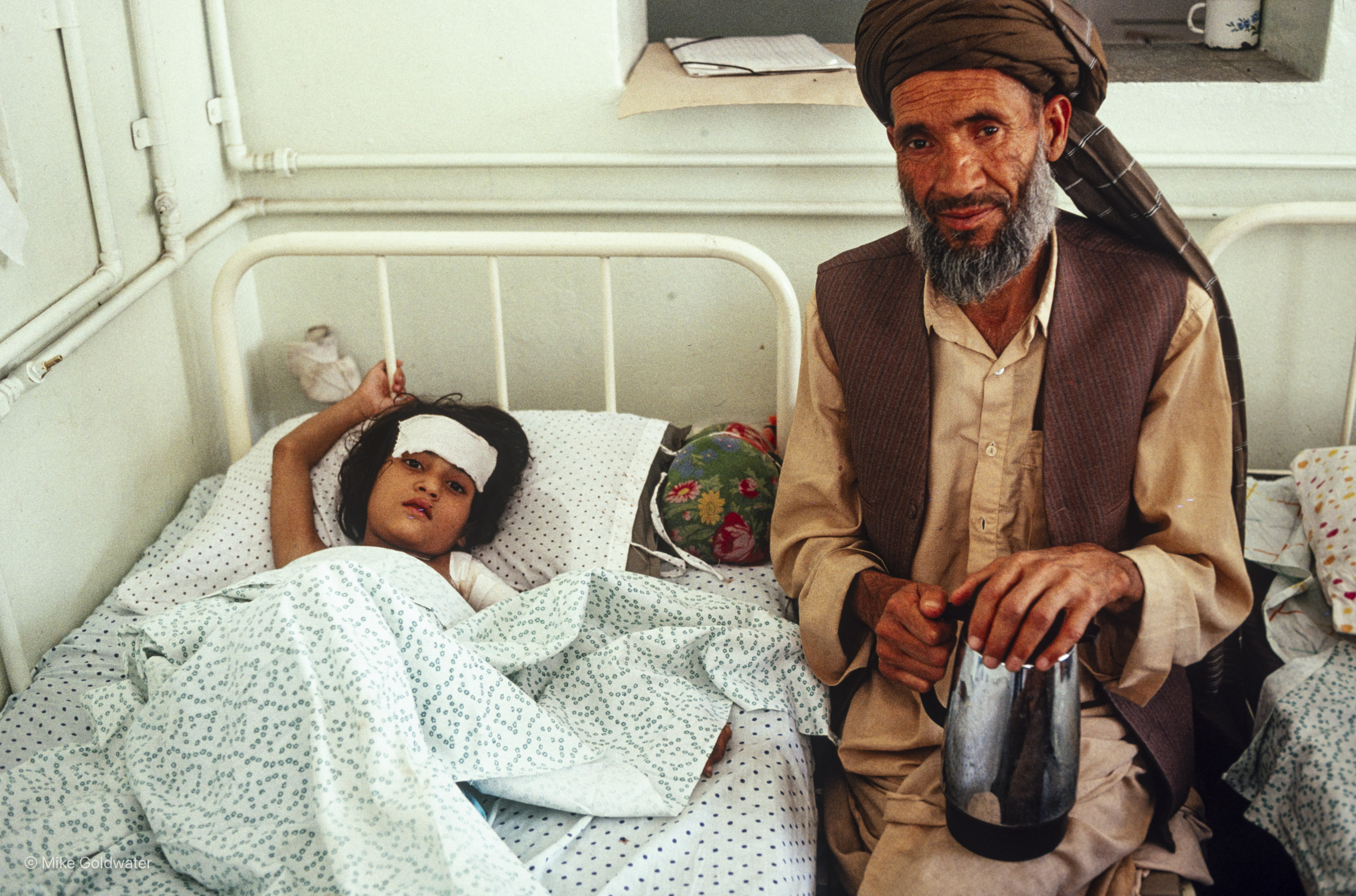
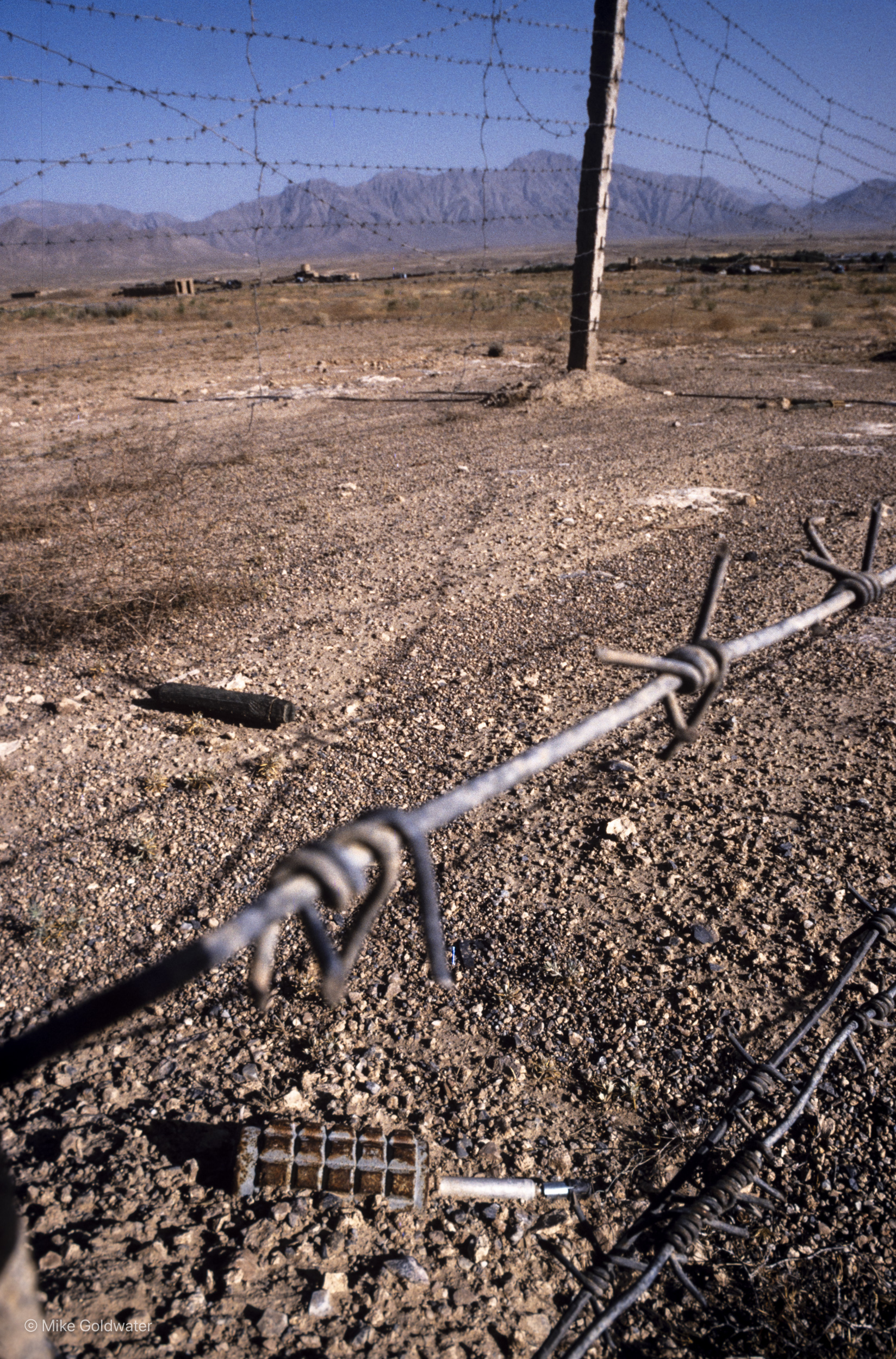
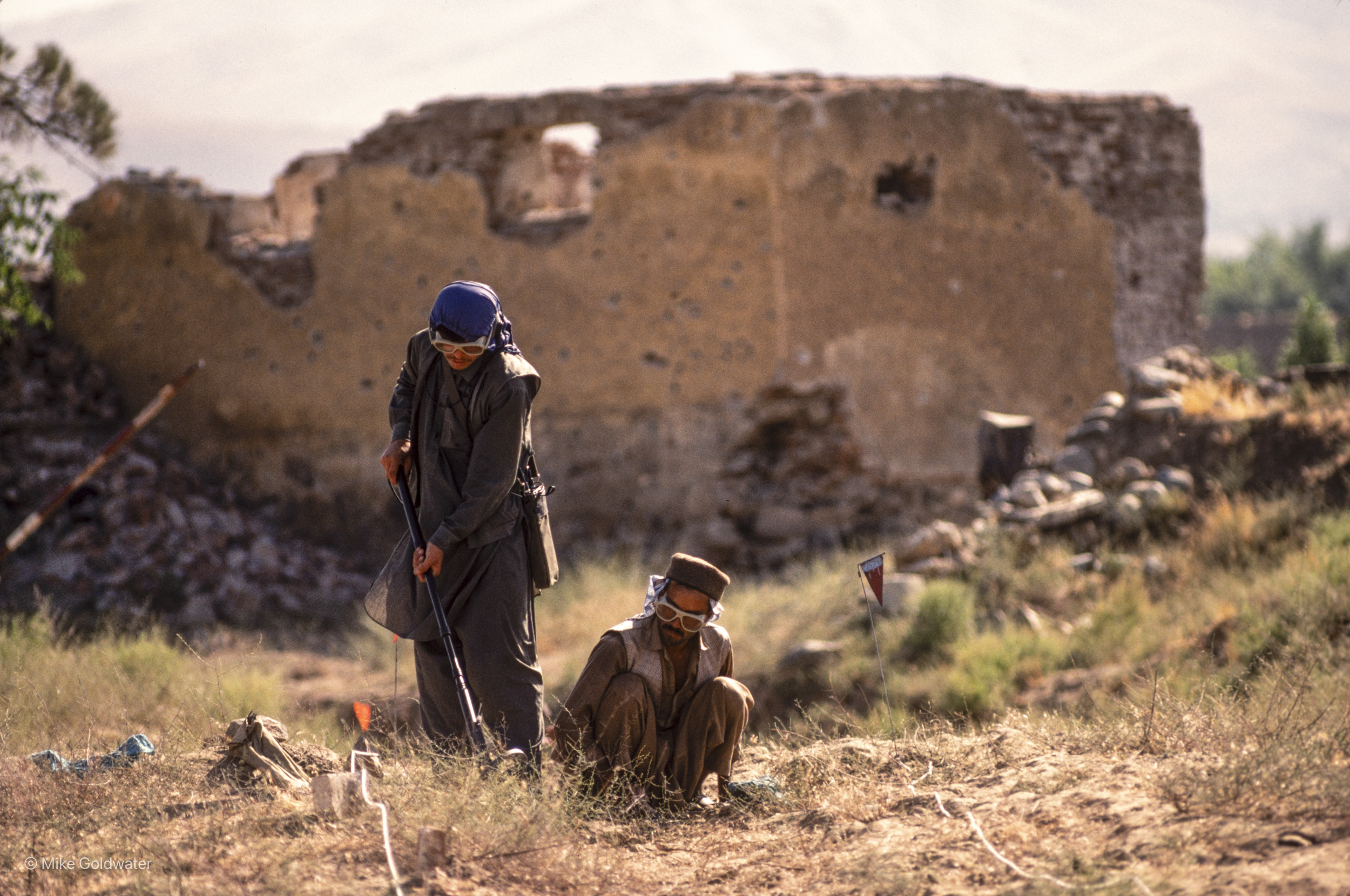
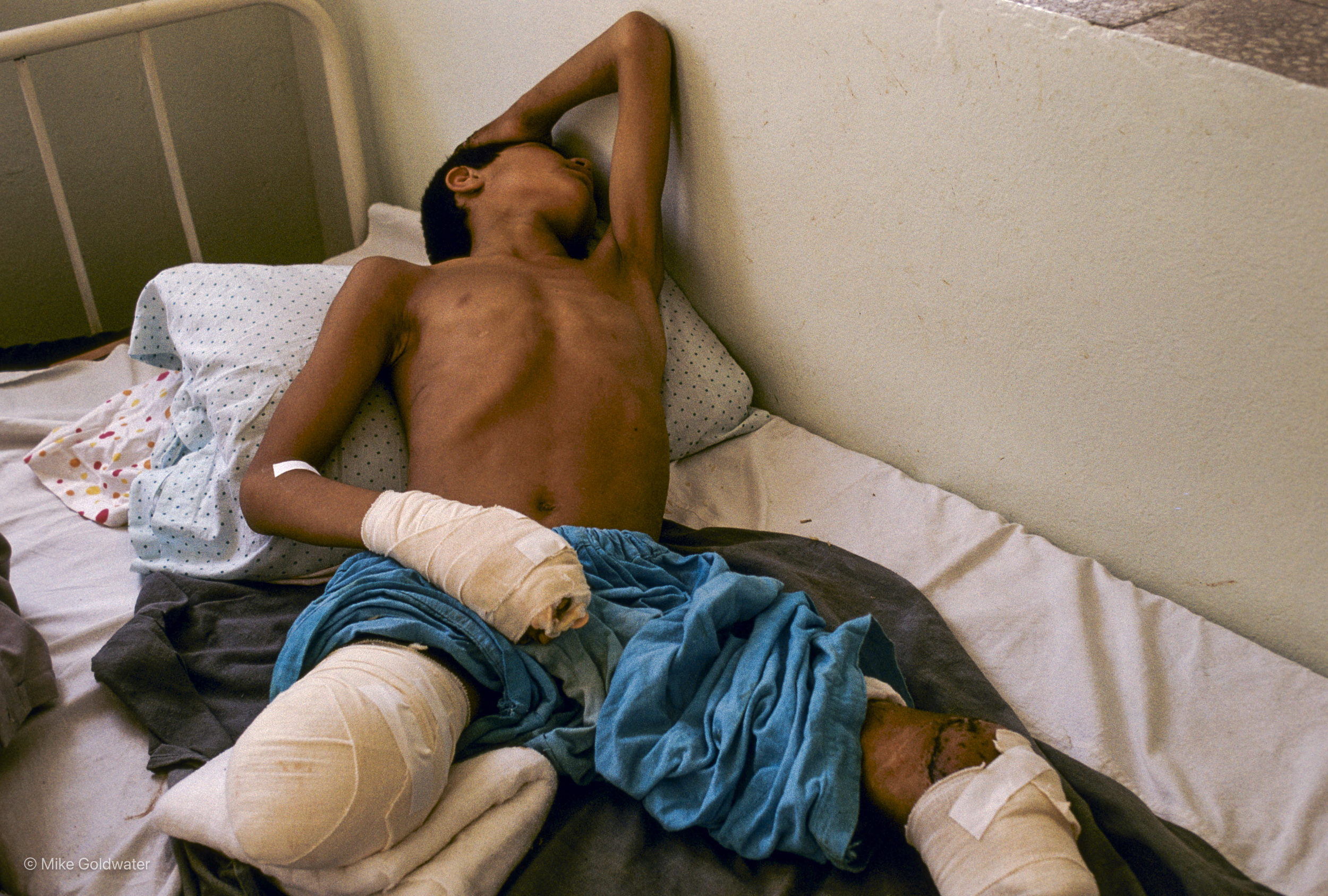
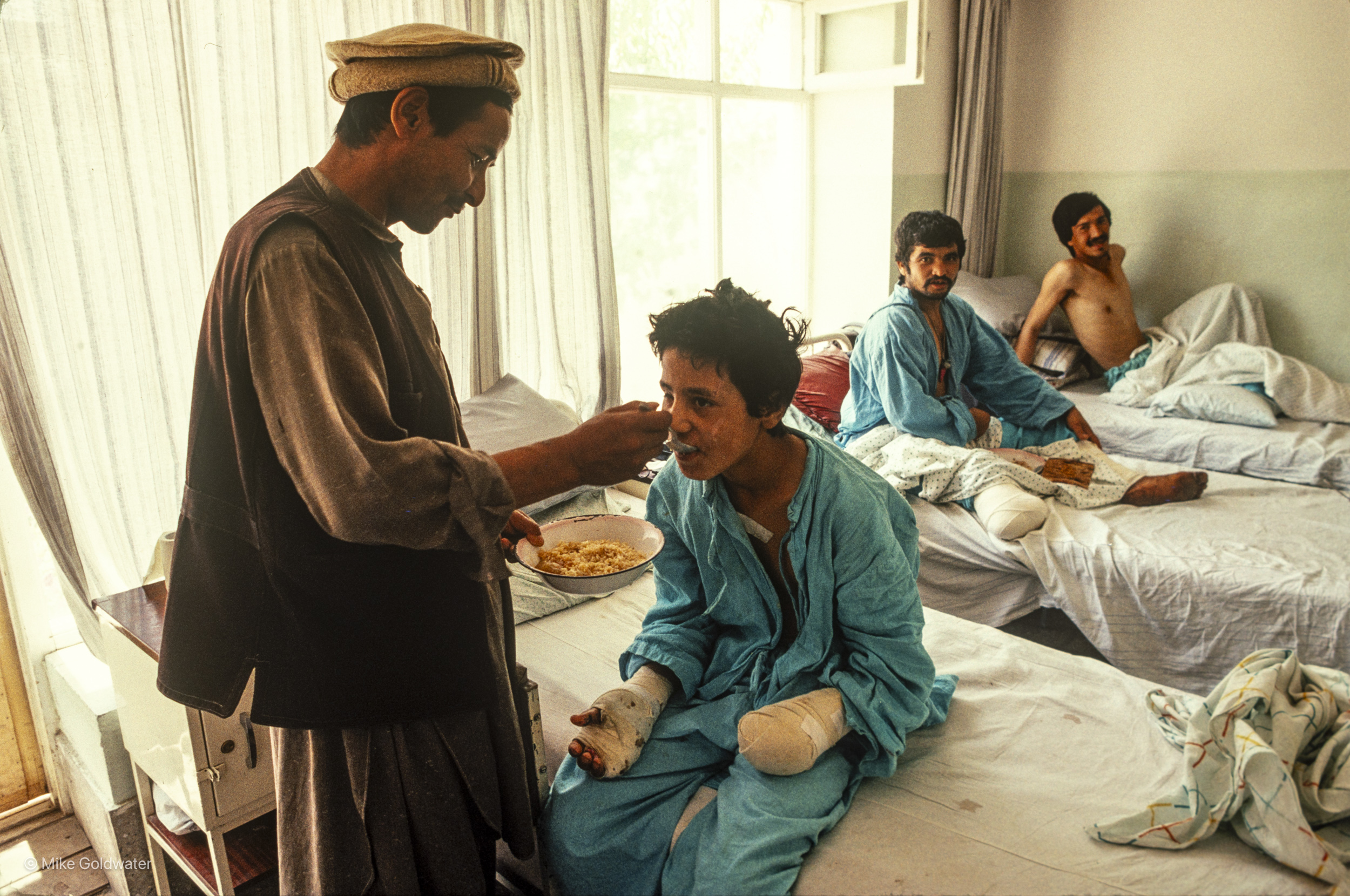
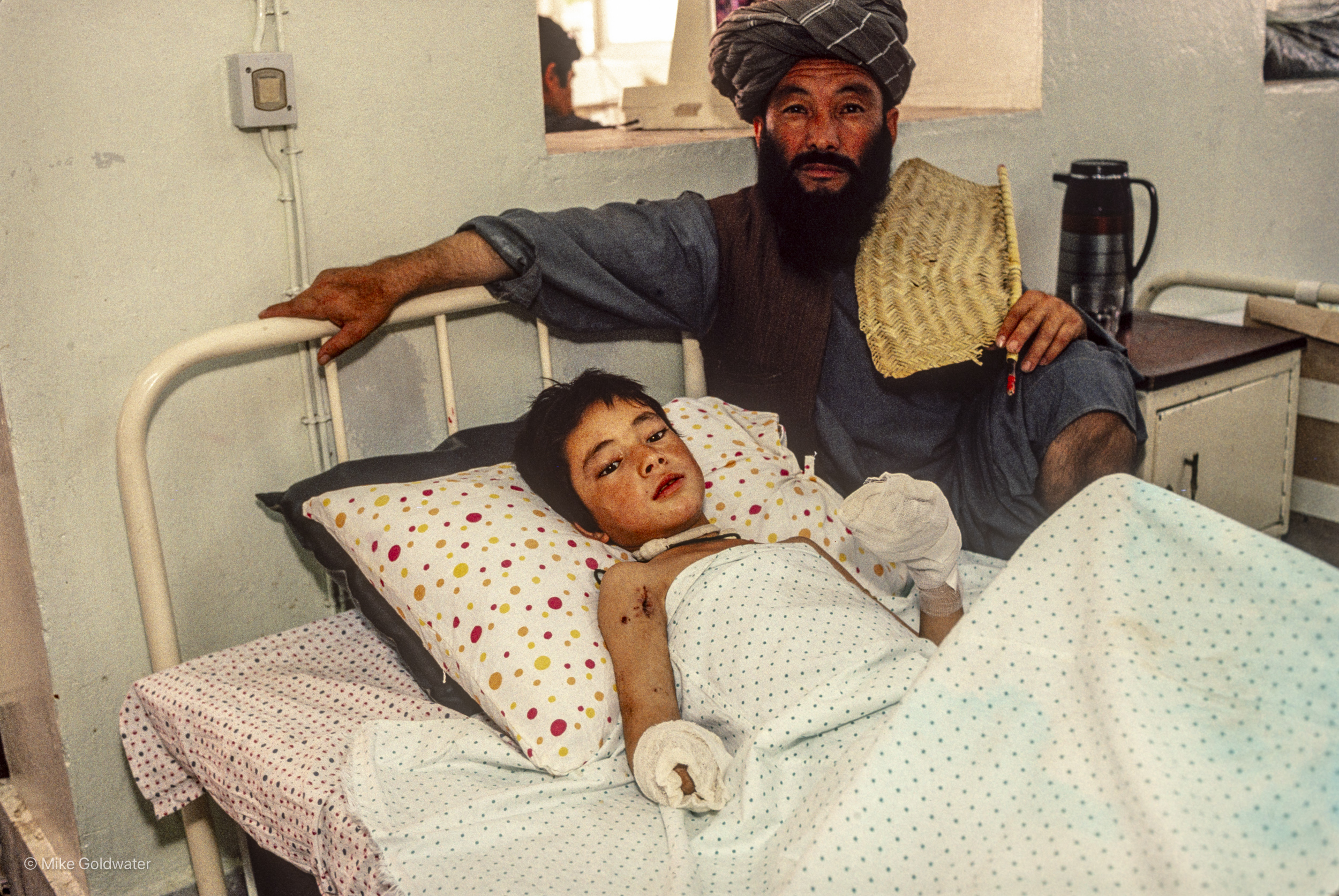
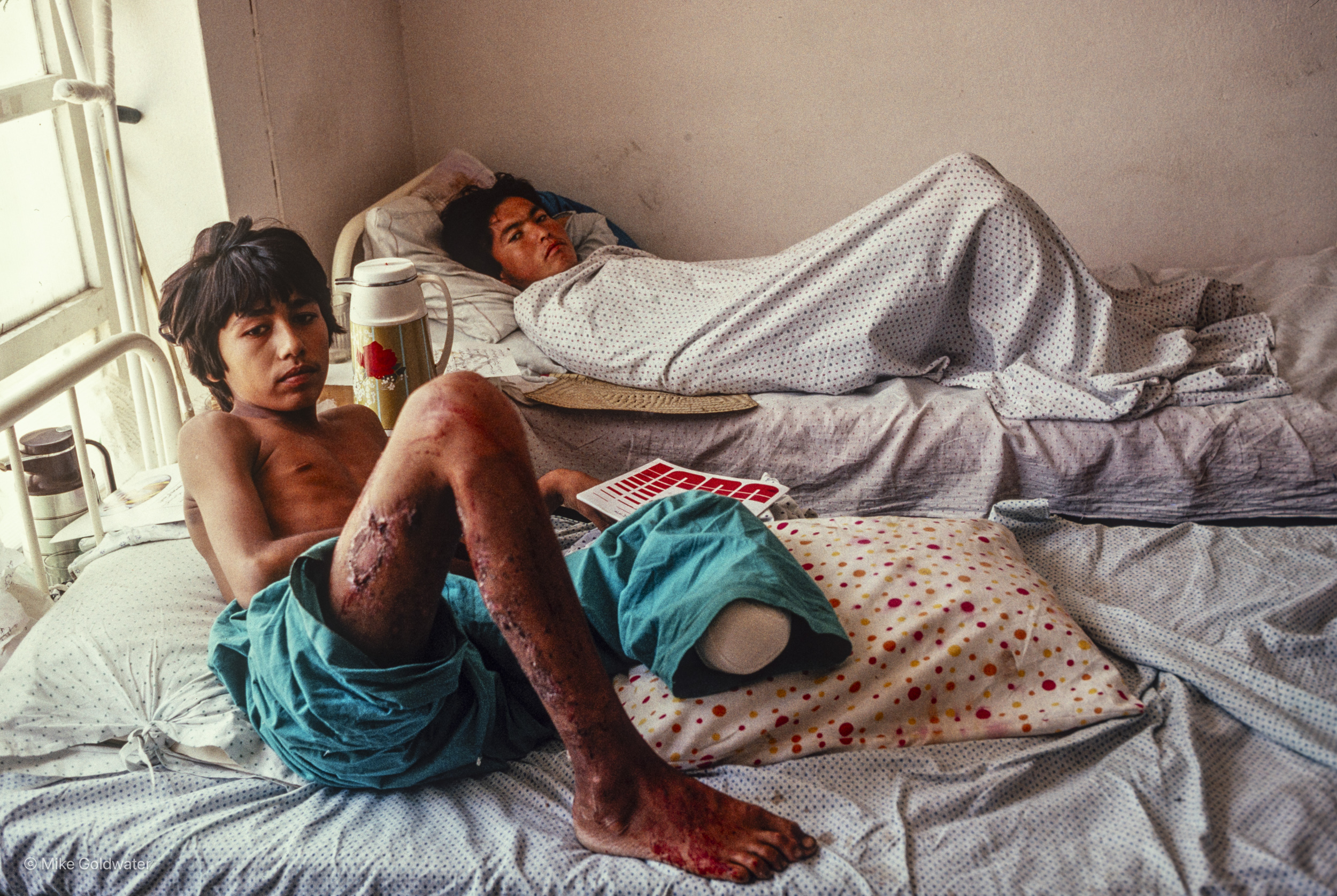
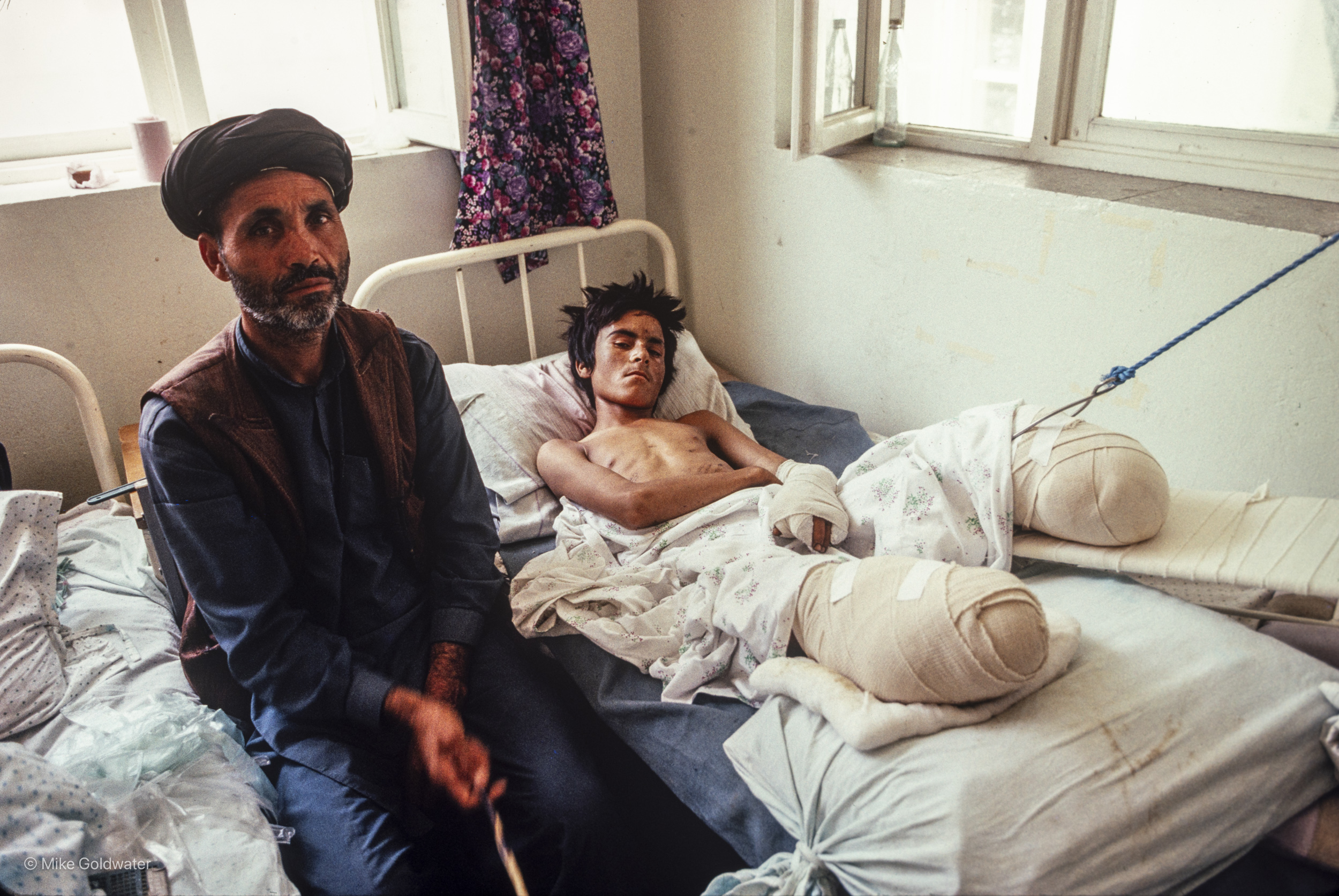
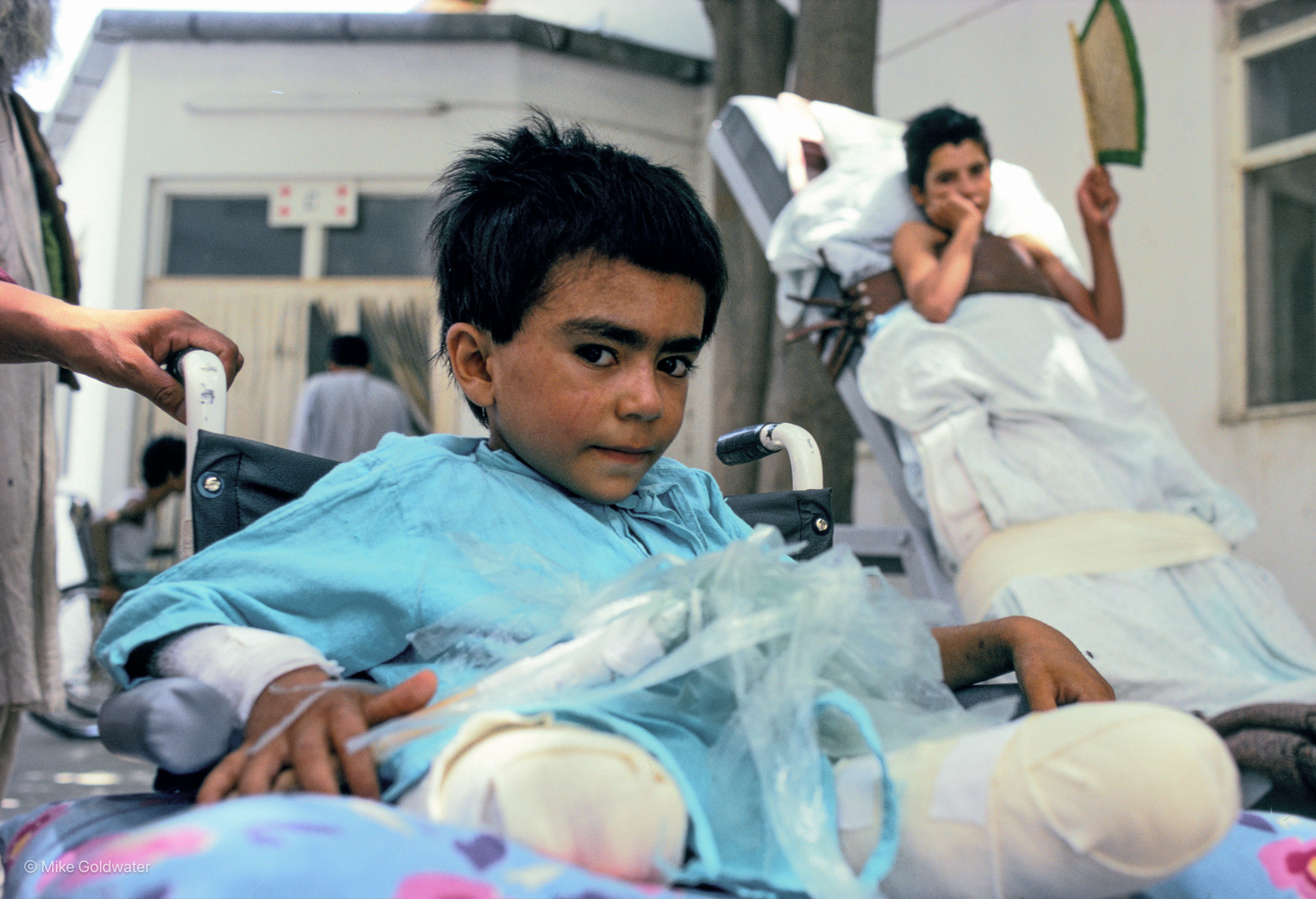
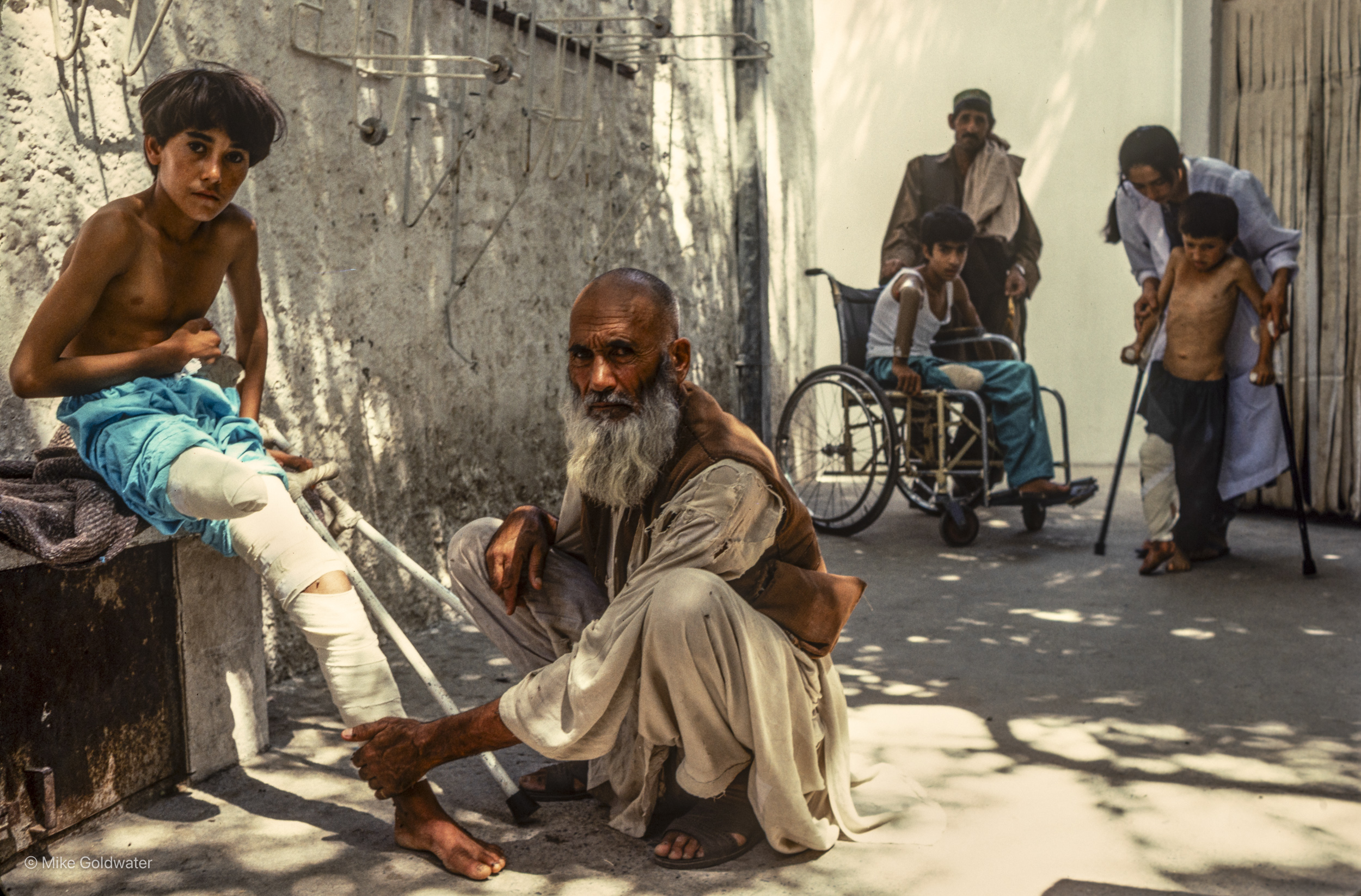
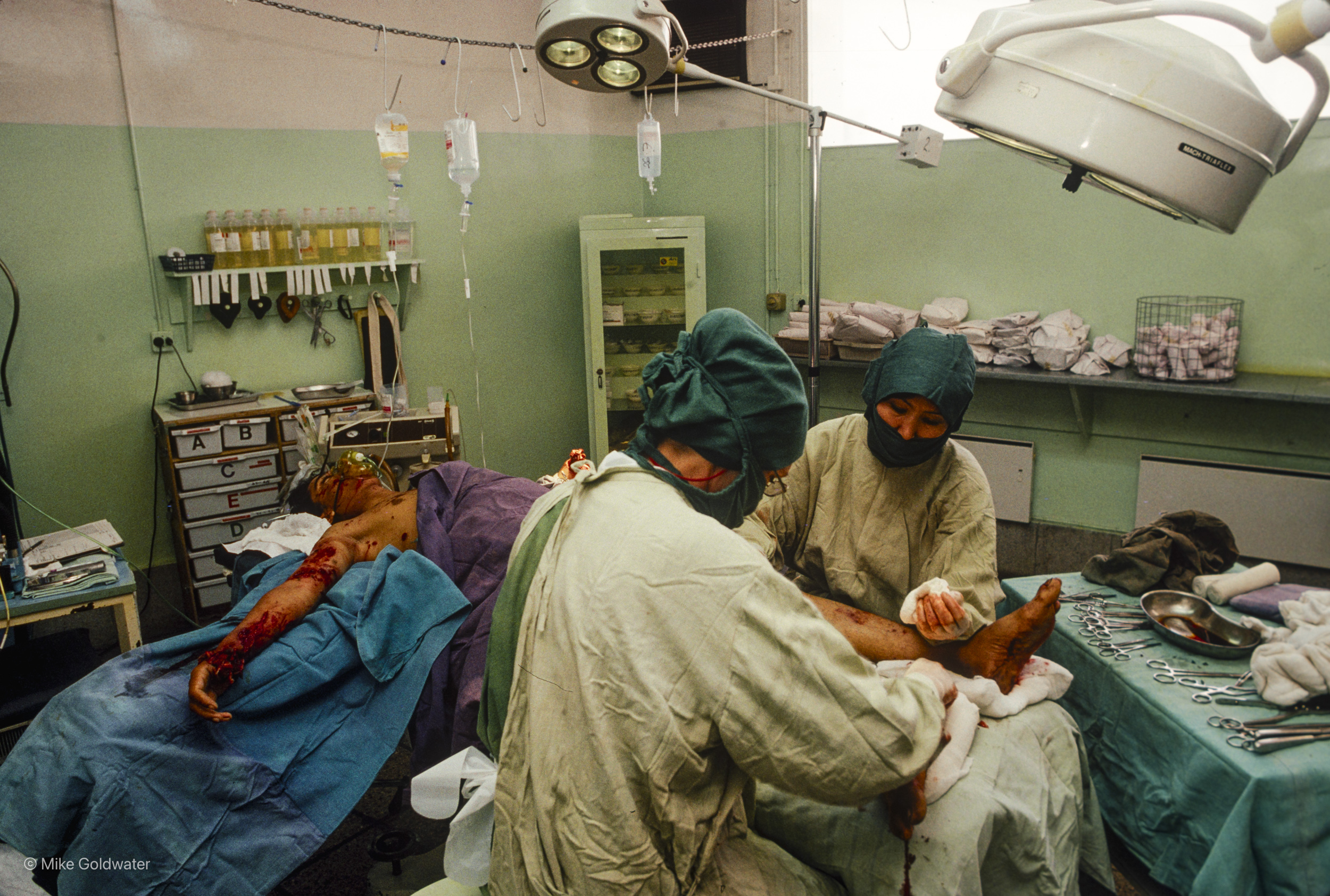
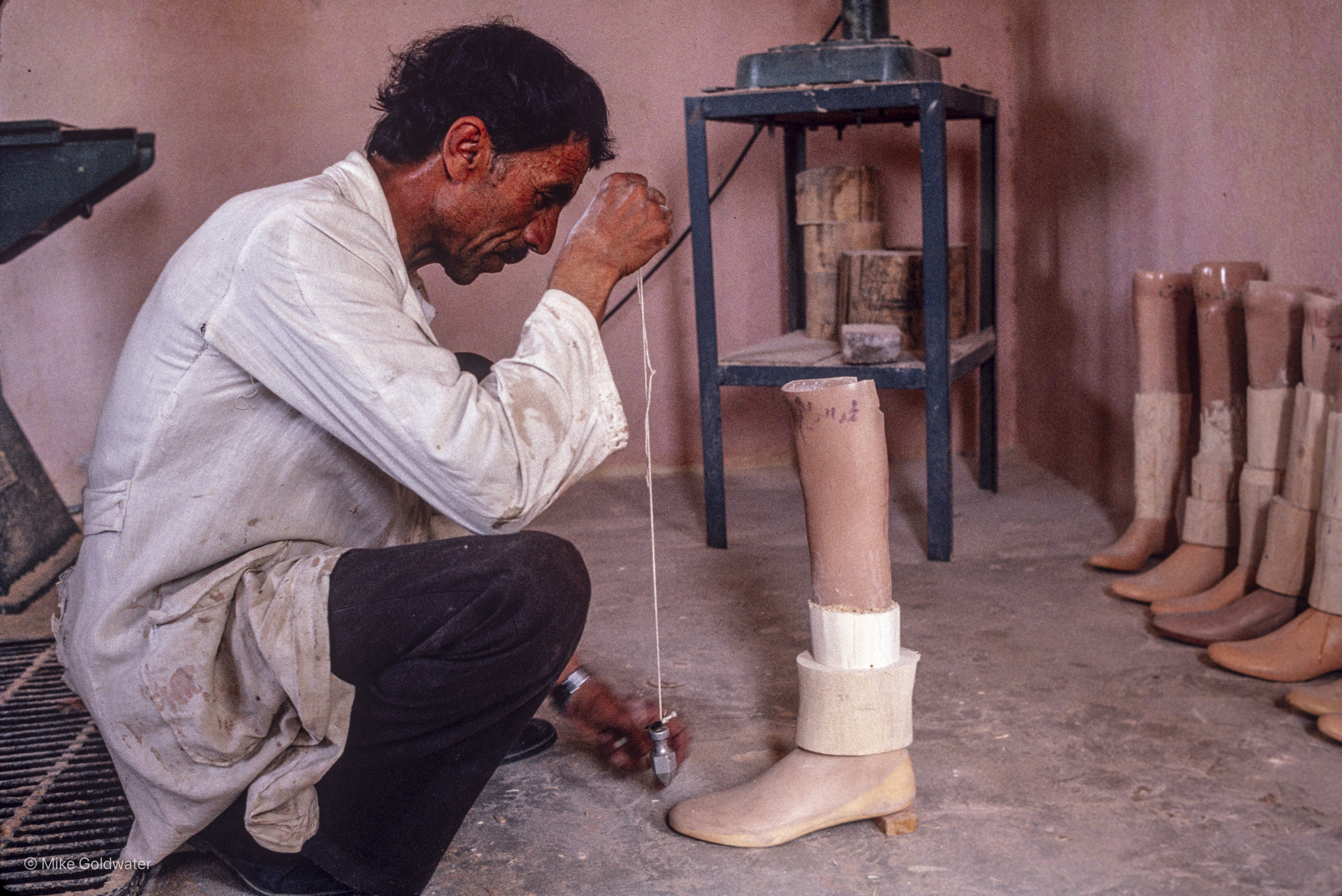
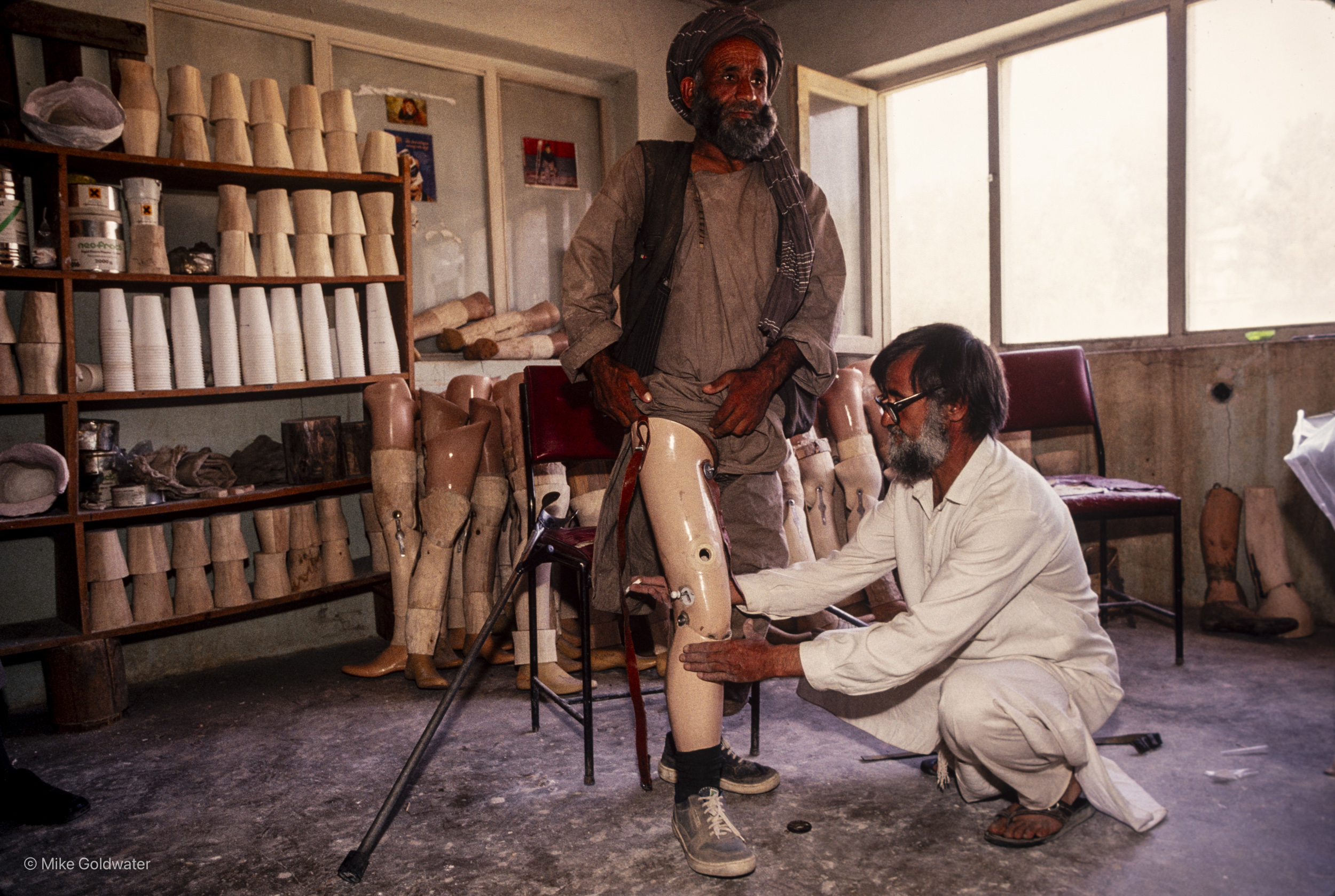
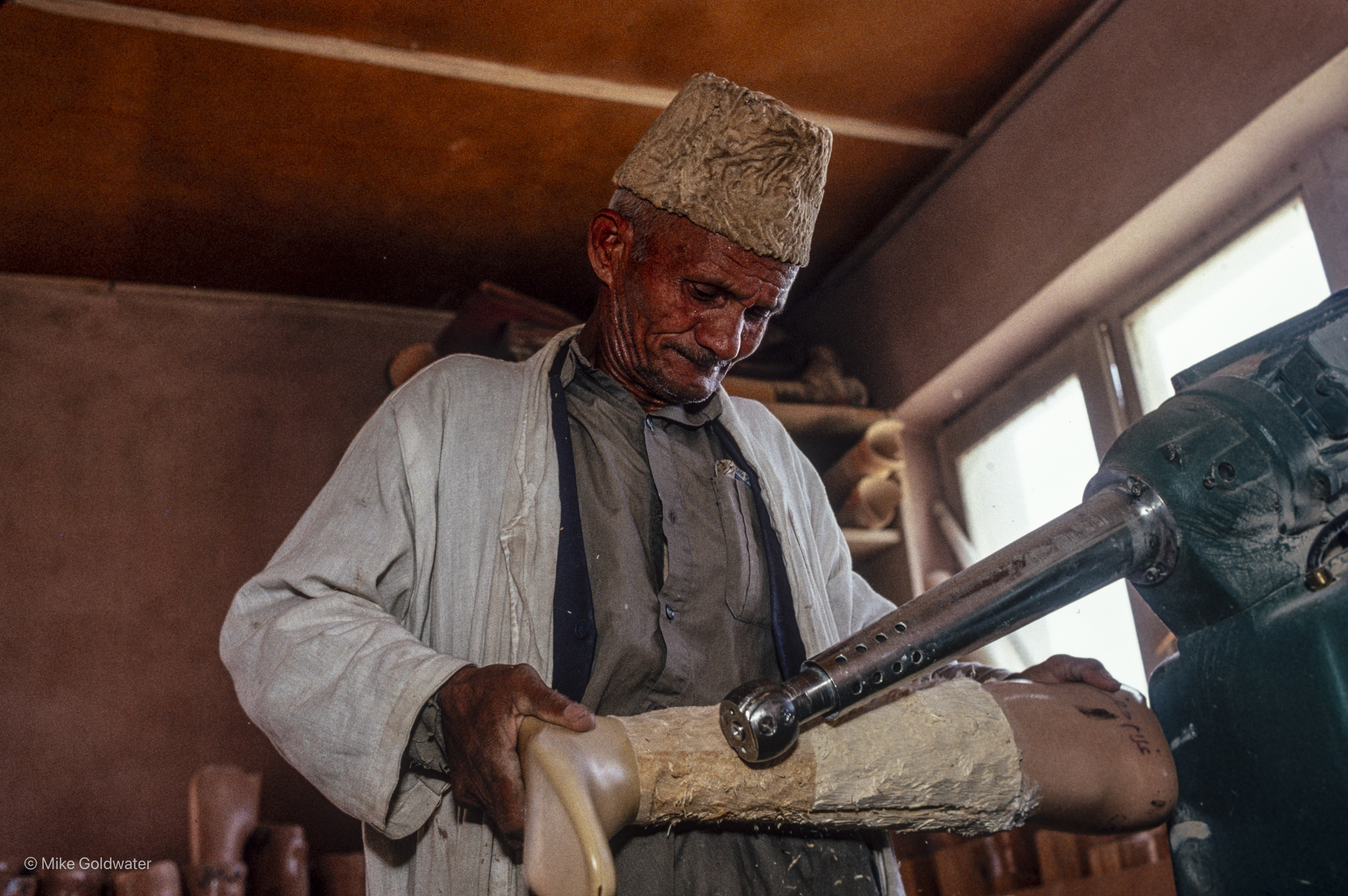
Land mines were a continuing danger any that time, with over 10 million littering the country, according to the UN. The ICRC hospital in Kabul treated many of the victims. Sandy Gall had already set up a UK charity, Sandy Gall’s Afghanistan Appeal, begun in 1983, to provide orthopaedic appliances and physiotherapy for disabled Afghans following a documentary he made there. The charity ran until 2020 by which time it had provided more than 10,000 prostheses, orthoses and wheelchairs made by Afghan technicians to disabled Afghans.
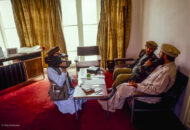
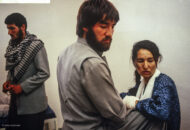
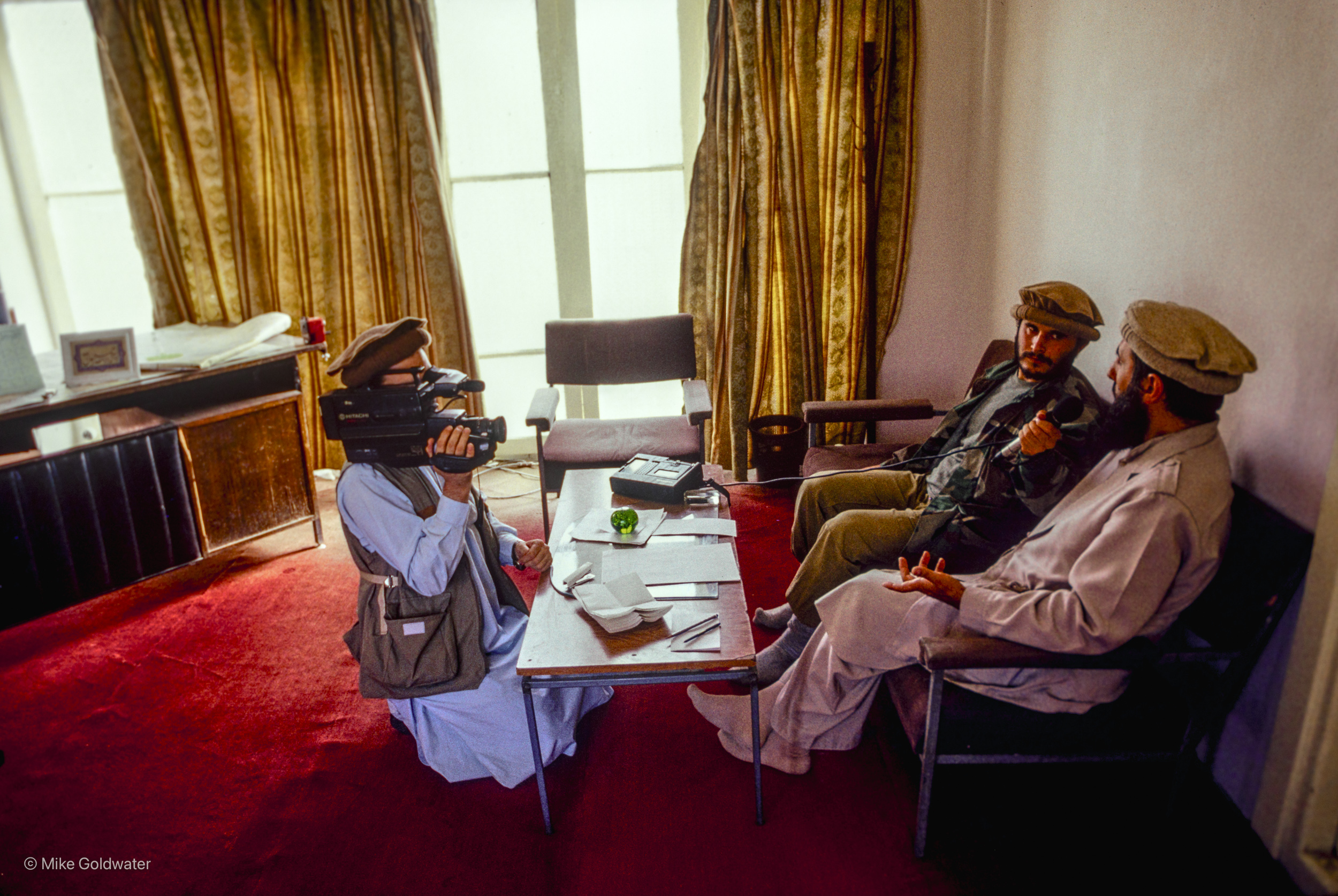
As a post-script, the BBC journalist Mirwais Jalil that I photographed interviewing Gulbuddin Hekmatyar at the Hezb-e Islami leader’s headquarters in Logar Province, Afghanistan, August 1992 was abducted from his car and murdered while returning from a critical interview with Hekmatyar in July 1994. Ahmad Shah Massoud was assassinated on 9 September 2001, just two days before the 9/11 attacks in the United States. He was in his headquarters at Khwaja Bahauddin in Takhar Province when two men posing as Arab television journalists detonated explosives concealed in their camera equipment during an interview. Hekmatyar is still alive and lives in Kabul.